Global Energy Markets and Their Influence on Business Competitiveness
10 August 2026
The world of energy is like a giant chessboard. Every move made by one player—whether it's a new oil discovery, a government policy shift, or a spike in renewable energy investment—sends ripples across the globe. And guess what? These ripples can either make or break businesses.
If you're running a business or thinking about launching one, understanding the global energy markets isn’t just "nice to know" — it’s critical. Energy impacts everything from how much it costs to run your operations to how competitive you are in your industry. Let’s break it down, shall we?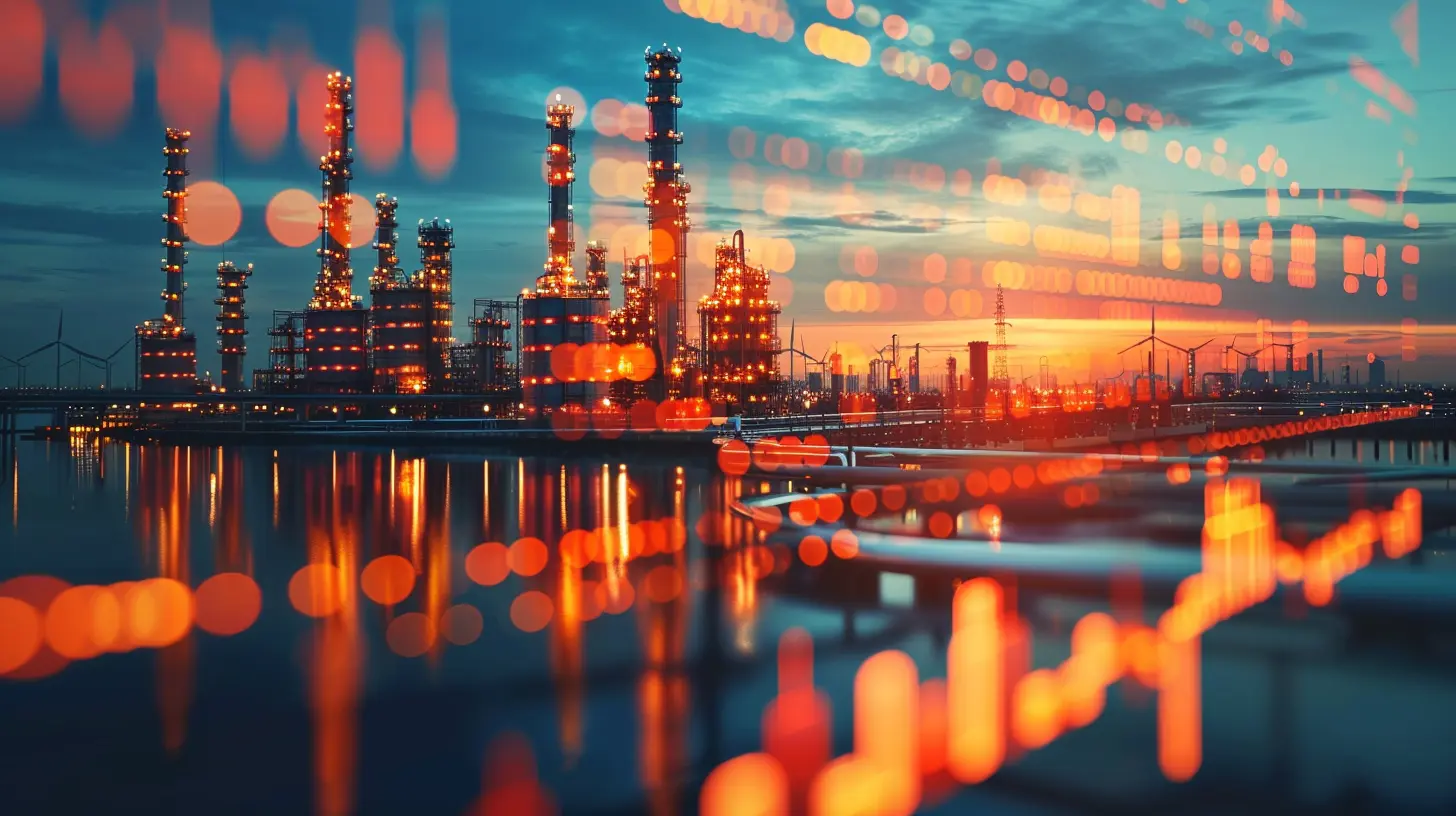
Why Energy Markets Matter to Businesses
Think about this: Could you run your business without electricity? No lights, no internet, no machines. Sounds impossible, right?Energy is the invisible engine behind every business operation. Whether you’re a multinational manufacturer or a small digital agency, your cost structure, supply chain, and even your pricing strategy are tied to energy costs.
Energy = Operating Costs
The most direct impact is on your bills. If energy prices spike, so does your cost of doing business. That can squeeze your margins and force you to either raise prices (which might drive customers away) or eat the cost (which shrinks your profit).Energy = Supply Chain Risk
Let’s say your suppliers rely on cheap fuel, but then oil prices skyrocket. Suddenly, your raw materials become more expensive or delayed. You’re not just fighting your own energy costs—you’re battling theirs too.Energy = Market Position
Companies embracing clean energy and energy efficiency often gain a competitive edge. Why? Because customers care. And investors? They’re putting their money into sustainable, forward-thinking businesses.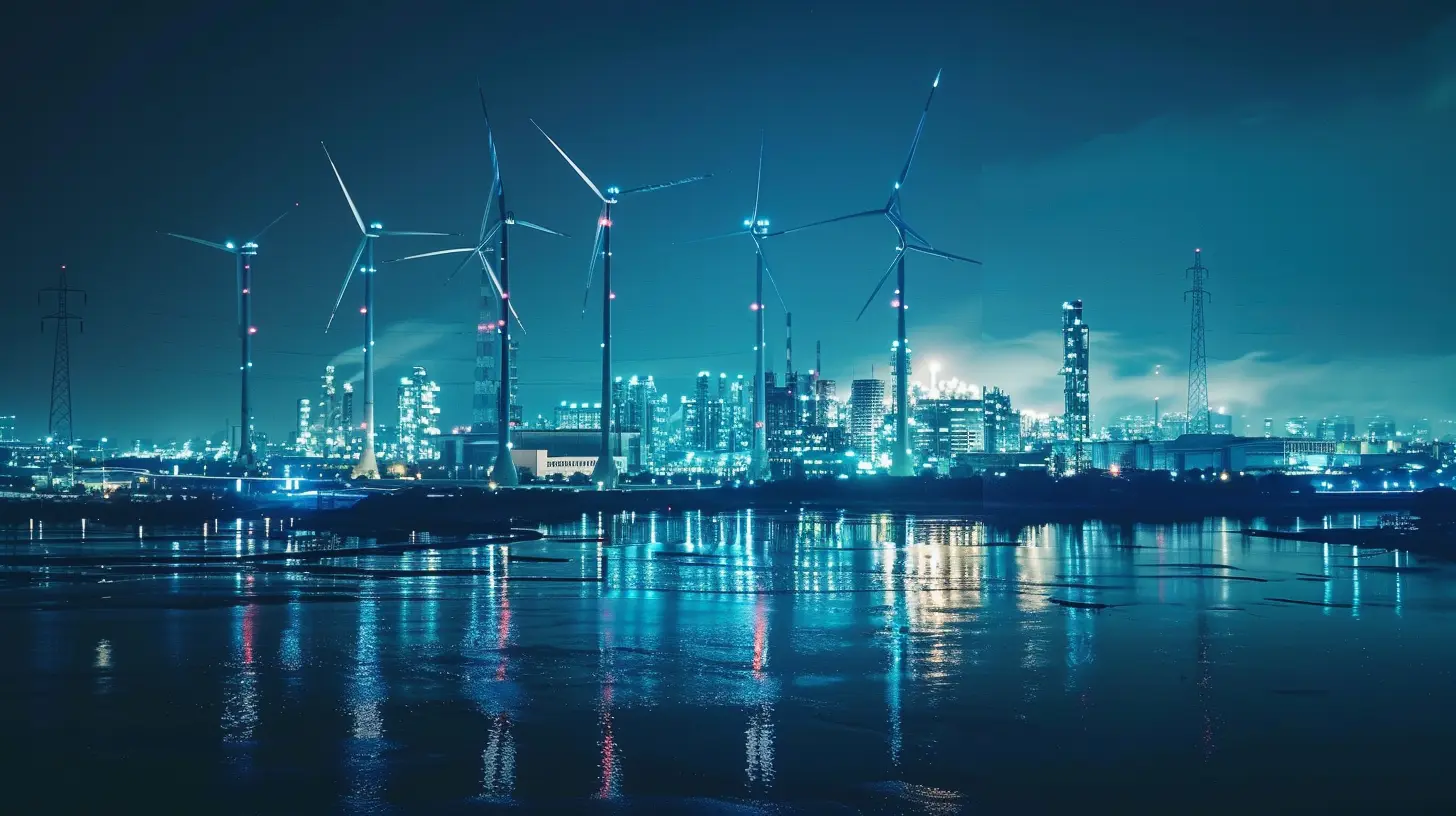
A Glimpse into Global Energy Markets
Before we dig deeper, let’s set the stage. When we say "global energy markets," we’re talking about the systems, players, and dynamics that determine how energy is produced, traded, and consumed across the planet.The Big Three: Oil, Gas, and Renewables
- Oil: Still king in transportation and petrochemicals, but getting pricey and politically volatile.- Natural Gas: Cleaner than coal, used heavily in electric power generation and heating.
- Renewables: Solar, wind, hydro, and others — fastest-growing segment thanks to climate change concerns and dropping costs.
The Price Dance
Energy prices fluctuate more than your favorite crypto coin. Geopolitical tensions, natural disasters, market speculation, and regulatory changes all play a role. One headline from the Middle East can send oil prices soaring or plummeting overnight.
The Tug-of-War: Energy Prices vs Competitiveness
High Energy Costs = Low Competitiveness
If your energy bill eats up a big chunk of your expenses, you're less flexible. That might mean slower growth, fewer hires, or reduced R&D budgets. In global markets, you might find yourself losing out to competitors in countries where energy is cheaper or more stable.Example: Manufacturing
Take manufacturing. It’s energy-intensive by nature. A steel plant in Germany (high energy costs) is operating at a disadvantage compared to one in India or the U.S. (lower energy costs). Same product, different competitiveness due to energy markets.Low Energy Costs = Expansion Potential
On the flip side, when energy is cheap and stable, businesses can scale. Lower costs free up capital for innovation, hiring, and better pricing strategies. It’s like getting a tailwind when you're running a marathon.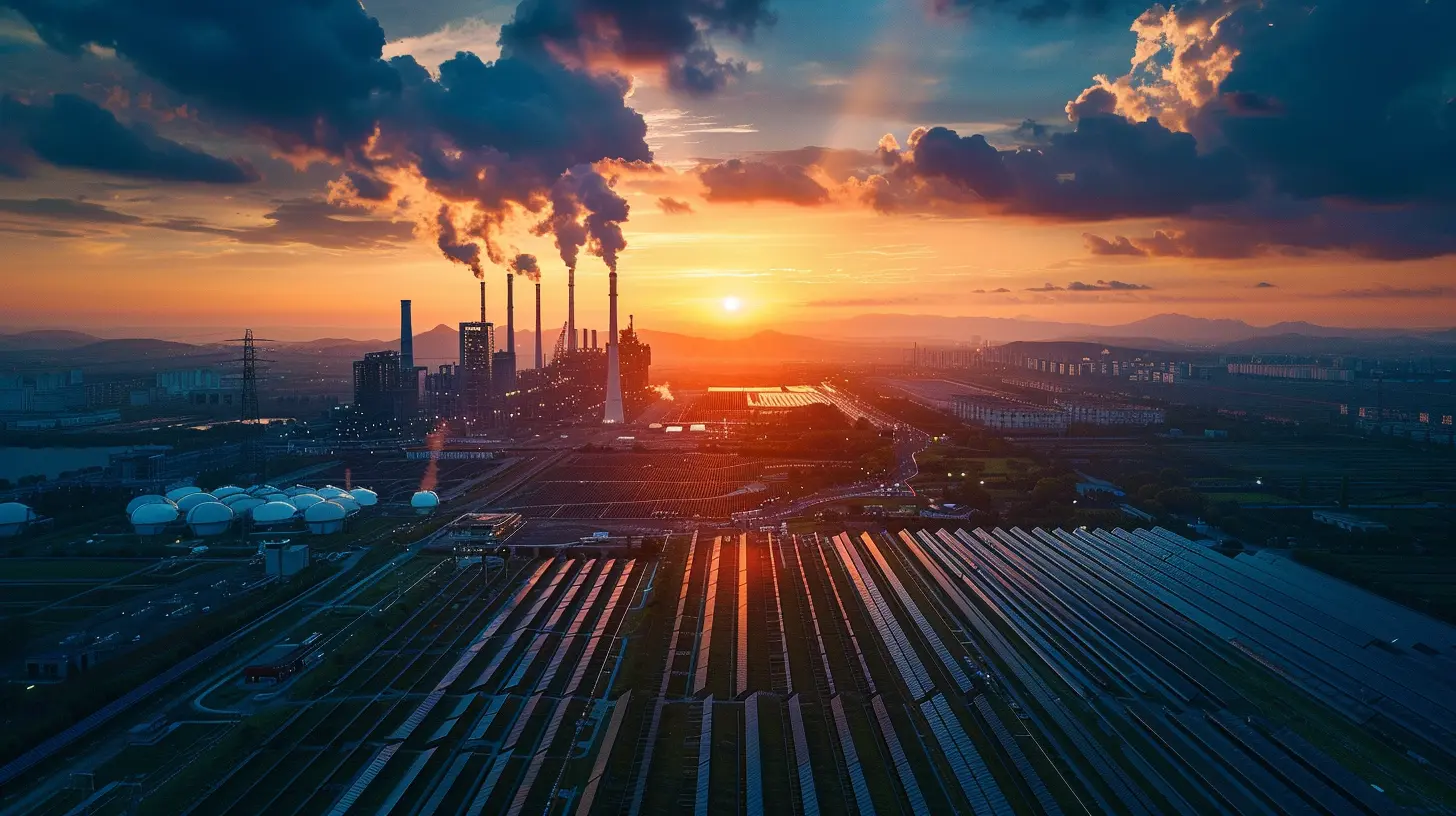
Energy Policies that Shape the Playing Field
Governments aren’t just spectators; they’re referees. Through policies, taxes, subsidies, and infrastructure investments, they heavily influence energy markets.Carbon Pricing
Putting a price on carbon emissions forces high emitters to pay, nudging businesses toward cleaner energy. Great for Mother Earth, but it raises costs unless you've already made a green transition.Renewable Subsidies
Countries offering incentives for solar, wind, or energy storage make it easier for businesses to cut costs and attract eco-conscious customers.Trade Policies
Tariffs on imported oil or solar panels can tilt the playing field. One country’s quest for energy independence can mean higher prices or limited access in another.How Energy Volatility Impacts Strategic Planning
Ever tried planning a family vacation without knowing the weather? That’s what businesses face with energy volatility.Budgeting Headaches
Unpredictable energy prices make it tough to set accurate budgets. That’s why many companies lock in energy contracts or invest in energy analytics.Investment Decisions
Should you build that new factory in a country with cheap electricity? What if the government there suddenly pulls the plug on subsidies?Businesses need energy-informed risk assessments before committing serious capital.
Competitive Advantage Through Energy Strategy
Now let’s be positive for a minute. Energy volatility isn’t all bad news. It’s also a chance to stand out.Embracing Renewables
Businesses investing in solar panels or wind energy not only cut costs over time—they also brand themselves as sustainable. That’s a marketing win and a cost-saving win.Energy Efficiency = Savings
Simple upgrades like LED lighting, better insulation, or smarter HVAC systems can reduce energy use dramatically. Less spend on electricity = more money for growth.Diversifying Supply
Don’t put all your energy eggs in one basket. Forward-thinking companies diversify energy sources, reducing the risk of dependency on a single volatile market.Real-World Examples of Energy and Business Competitiveness
Tesla
Tesla doesn’t just make electric cars—it’s disrupting the energy market. With its Gigafactories, Tesla’s vertical integration reduces energy costs and boosts competitiveness globally.Amazon
Amazon is investing heavily in renewable energy to power its data centers. Why? Lower long-term costs and a strong sustainability profile that keeps investors happy.European Manufacturing
Companies in Germany are pushing for greener alternatives to gas and oil. Their survival partly hinges on how fast they can adapt to rising energy prices and EU climate policies.Future Trends in Energy and Business
Things are changing fast. In case you haven’t noticed, the future of energy isn’t in fossil fuels—it’s in innovation.The Rise of Green Hydrogen
Hydrogen could replace natural gas in heavy industries. It's clean, efficient, and—while still in its early days—ripe for investment.Energy as a Service
Some companies now offer "energy as a service," handling everything from procurement to efficiency upgrades. It’s like outsourcing your energy headaches to the pros.Blockchain in Energy
Yep, blockchain isn’t just for Bitcoin. It’s being used to track energy usage, ensure clean energy sourcing, and even allow peer-to-peer energy trading.What Can Businesses Do Right Now?
Feeling overwhelmed? Don’t be. Here's a game plan:1. Audit Your Energy Use: Find out where your energy goes. Identify waste and cost-saving opportunities.
2. Watch the Markets: Set Google alerts for energy prices and policies that may impact your region or industry.
3. Go Green (Strategically): Don’t just slap a solar panel on the roof. Build a step-by-step energy plan tied to business goals.
4. Diversify Suppliers: Consider backup energy options or secondary suppliers to stay agile.
5. Talk to Experts: Partner with energy consultants or local governments offering energy grants and tools.
Final Thoughts
Global energy markets are unpredictable, impactful, and evolving faster than ever. Businesses that pay attention—and adapt—stand to benefit massively. Those that ignore it? Well, let's just say the lights might go out on their competitiveness.Whether it's through better energy management, smarter investments, or keeping an eye on international trends, energy awareness isn't just good for the planet, it's great for your bottom line.
So, next time you glance at your energy bill, ask yourself: Is this just another expense—or your untapped competitive edge?
all images in this post were generated using AI tools
Category:
Economic TrendsAuthor:

Rosa Gilbert
Discussion
rate this article
1 comments
Faryn Hahn
Great insights on energy trends!
August 10, 2026 at 3:29 AM