Tech Disruption in Traditional Industries by 2027
21 April 2026
The world we live in is evolving faster than ever, and with technological advancements at the forefront, traditional industries are facing unprecedented disruption. By 2027, we can expect these changes to be even more pronounced, reshaping how businesses operate, interact with customers, and deliver value. So, what does this mean for industries that have long relied on conventional practices? Buckle up, as we dive into the fascinating world of tech disruption!
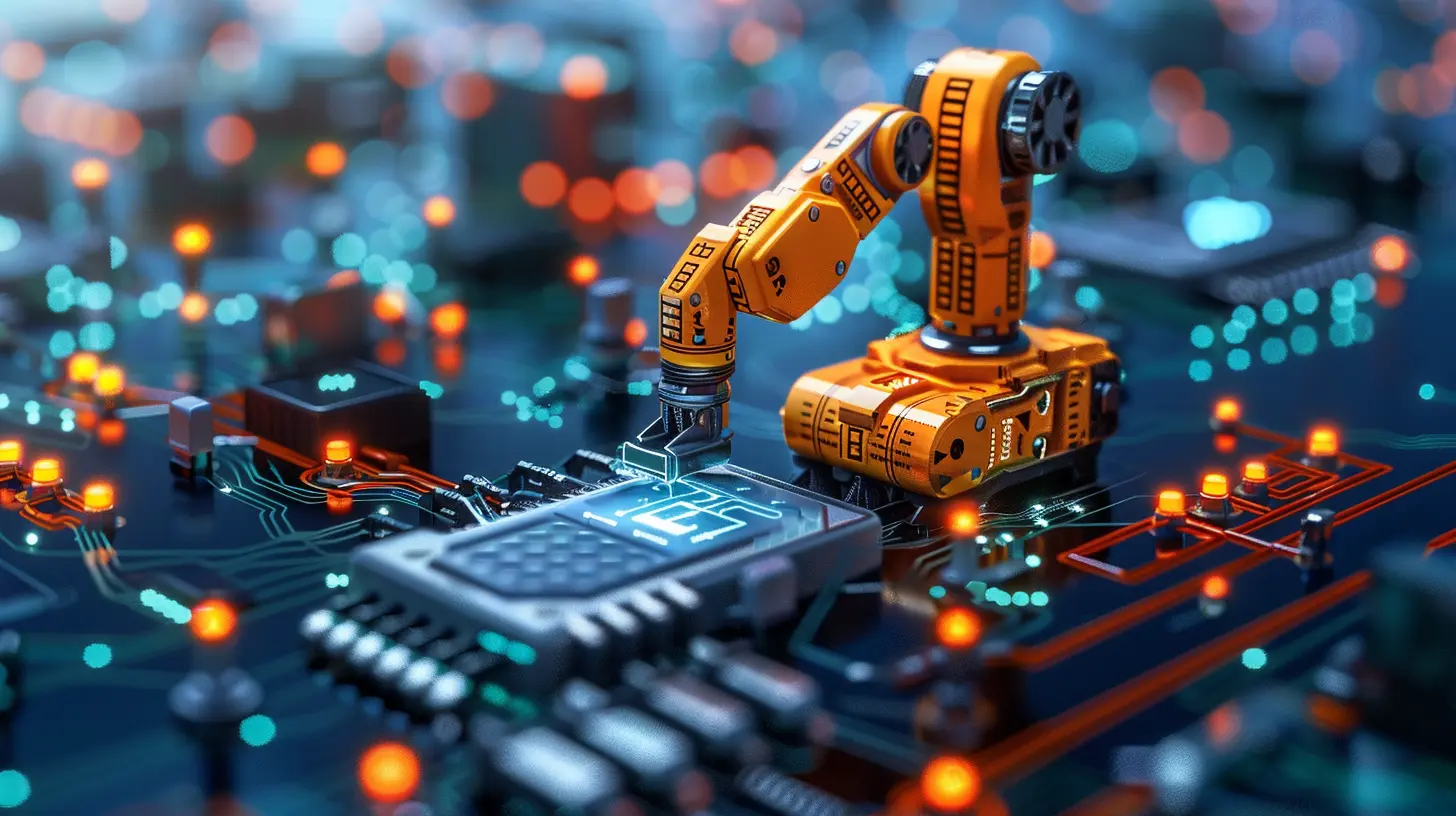
Understanding Tech Disruption
Before we get into the nitty-gritty, let’s clarify what we mean by "tech disruption." In simple terms, it's when new technologies significantly alter the way businesses operate, often rendering traditional methods obsolete. Think of it as a tidal wave that washes away outdated practices while paving the way for innovation.Consider how smartphones have changed communication. Remember when we had to rely on landlines and payphones? Now, we can connect with anyone, anywhere, at any time. That's disruption in action!
Industries on the Brink of Transformation
1. Healthcare
Telemedicine and AI in DiagnosticsThe healthcare industry is on the cusp of a revolution, with telemedicine and artificial intelligence (AI) leading the charge. By 2027, we can expect virtual consultations to become the norm rather than the exception. Imagine being able to see your doctor without stepping out of your home!
AI is also making waves in diagnostics. Algorithms can analyze medical data faster and more accurately than humans, potentially catching diseases earlier and improving patient outcomes. This means less time waiting for results and more time focusing on what really matters—your health.
2. Retail
E-commerce and Augmented RealityRetail has already seen significant changes, but the next few years will push it even further. E-commerce is booming, and by 2027, we’ll likely see augmented reality (AR) taking center stage. Picture this: trying on clothes virtually from the comfort of your living room or visualizing how a piece of furniture would look in your home before making a purchase.
Retailers that fail to adapt to these changes risk being left behind. The key is to embrace technology and create a seamless shopping experience that blends the physical and digital worlds.
3. Transportation
Autonomous Vehicles and Smart LogisticsThe transportation sector is gearing up for a major shake-up, with autonomous vehicles leading the charge. By 2027, self-driving cars could be a common sight on our roads, changing the way we think about commuting.
But it’s not just personal transport; logistics will also see a transformation. Smart logistics, powered by AI and the Internet of Things (IoT), will optimize delivery routes and reduce costs, making shipping faster and more efficient. Imagine getting your online order delivered in record time—sounds like a dream, right?
4. Finance
Blockchain and Fintech InnovationsThe finance industry is no stranger to disruption, but the next few years will bring even more innovation. Blockchain technology is set to revolutionize how we conduct transactions, offering enhanced security and transparency.
Fintech companies are also emerging, providing services that challenge traditional banks. From peer-to-peer lending platforms to digital wallets, the landscape is changing rapidly. By 2027, we may see a world where cash is a thing of the past, replaced by digital currencies and seamless financial transactions.
5. Education
Online Learning and Adaptive TechnologiesEducation has been experiencing a slow transformation, but the pandemic accelerated the shift toward online learning. By 2027, we can expect a more personalized and flexible approach to education, thanks to adaptive technologies.
Imagine a classroom where lessons are tailored to each student's learning style, allowing them to progress at their own pace. This is not just a dream; it's becoming a reality. Traditional educational institutions must adapt to these changes or risk becoming obsolete.
The Driving Forces Behind Disruption
1. Consumer Expectations
One of the biggest catalysts for tech disruption is changing consumer expectations. Today’s consumers are tech-savvy and demand convenience, speed, and personalization. Companies that fail to meet these expectations will quickly find themselves outpaced by competitors who do.2. Increased Competition
With the rise of startups and tech companies, traditional industries are facing increased competition. These nimble newcomers are often more willing to take risks and innovate, pushing established companies to adapt or lose market share.3. Regulatory Changes
Regulatory environments are also evolving. Governments are recognizing the need to embrace technology and are creating frameworks that encourage innovation. This shift can either serve as a catalyst for disruption or a barrier, depending on how industries respond.4. Technological Advancements
Finally, the rapid pace of technological advancements is a significant driver of disruption. From AI to blockchain, the tools available to businesses are constantly evolving, enabling them to operate more efficiently and effectively.
The Challenges of Embracing Disruption
While the benefits of tech disruption are clear, embracing change isn't without its challenges. Companies must navigate a complex landscape of technological integration, workforce training, and cultural shifts.1. Resistance to Change
One of the most significant hurdles is resistance to change. Employees and management alike may be hesitant to adopt new technologies, fearing job loss or the unknown. Overcoming this resistance requires effective communication and a clear vision of the benefits of embracing technology.2. Investment Costs
Implementing new technologies often comes with a hefty price tag. Companies must weigh the costs against the potential benefits, which can be a daunting task, especially for smaller businesses.3. Skill Gaps
As industries evolve, the skills required to succeed are also changing. Companies may find it challenging to recruit talent with the necessary expertise or may need to invest in training their existing workforce.4. Cybersecurity Risks
With the rise of digital technologies comes the increased risk of cyberattacks. Companies must prioritize cybersecurity to protect sensitive data and maintain customer trust.Strategies for Navigating Disruption
1. Foster a Culture of Innovation
Encouraging a culture of innovation within your organization is crucial. This means empowering employees to think creatively, experiment with new ideas, and embrace change. Consider hosting brainstorming sessions or hackathons to spark creativity!2. Invest in Technology
Investing in the right technology can set your business apart from the competition. Stay informed about emerging technologies and assess how they can benefit your operations.3. Upskill Your Workforce
Investing in your employees’ skills is vital for navigating disruption. Offer training programs and workshops to help them adapt to new technologies and stay competitive in the evolving job market.4. Collaborate with Startups
Partnering with startups can provide access to innovative solutions and fresh ideas. Consider forming alliances with tech companies to leverage their expertise and enhance your offerings.
The Future is Bright (and Tech-Driven)
As we approach 2027, the landscape of traditional industries will undoubtedly look different. Embracing tech disruption is no longer optional; it’s a necessity for survival. Companies that adapt and innovate will thrive, while those that cling to outdated practices may find themselves left behind.In the end, tech disruption is not just about technology; it’s about people. It’s about creating better experiences, improving efficiency, and ultimately delivering value to customers. So, let’s welcome the change and see where this exciting journey takes us!
all images in this post were generated using AI tools
Category:
Technology In BusinessAuthor:

Rosa Gilbert
Discussion
rate this article
2 comments
Reece Benton
This article highlights the crucial impact of technology on traditional industries. Embracing innovation will be essential for survival and growth as we approach 2027. Insightful read!
June 23, 2026 at 4:10 AM
Rosa Gilbert
Thank you for your feedback! I'm glad you found the insights valuable. Embracing change is definitely key for the future.
Easton Blair
Exciting times ahead! Embracing tech disruption will unlock endless opportunities for innovation in traditional industries. Let’s gear up for a bright future!
April 23, 2026 at 3:25 AM
Rosa Gilbert
Absolutely! The future is ripe for innovation as we adapt to these changes. Exciting possibilities await us.