Engaging Millennials and Gen Z in Today’s Workforce
4 June 2026
Let’s face it—when it comes to the workplace, things have changed a lot in recent years. Millennials and Gen Z now make up a huge chunk of the workforce, and they’re not just sitting quietly in their cubicles clocking in and out like previous generations. They’re challenging companies to rethink how they engage employees. And honestly? It’s a good thing!
But here’s the catch: these younger generations have completely different expectations when it comes to work. They aren’t just chasing fat salaries or stable jobs anymore. They want purpose, flexibility, inclusivity, and a sense of belonging. They want to make an impact, and they want their jobs to make a positive difference in their lives (and the world).
So, how do you engage Millennials and Gen Z in today’s ever-changing workforce? Let's break it down step by step. 
Who Are Millennials and Gen Z?
Before you can engage them, you’ve got to really know who you’re dealing with.Millennials (Born Between 1981-1996)
Millennials grew up in a world transitioning into the digital age. They’re tech-savvy, social media-driven, and highly education-focused. They value experiences over material possessions (hello, avocado toast!) and crave work-life balance like no generation before them.Gen Z (Born Between 1997-2012)
Gen Z, on the other hand, has never known a world without the internet. This is the TikTok-and-texting generation that prioritizes diversity, mental health, and being authentic. Their attention spans might be shorter, but their ability to multitask? Off the charts.These two generations bring unique strengths to the table, but to truly tap into their potential, employers need to meet them where they are. 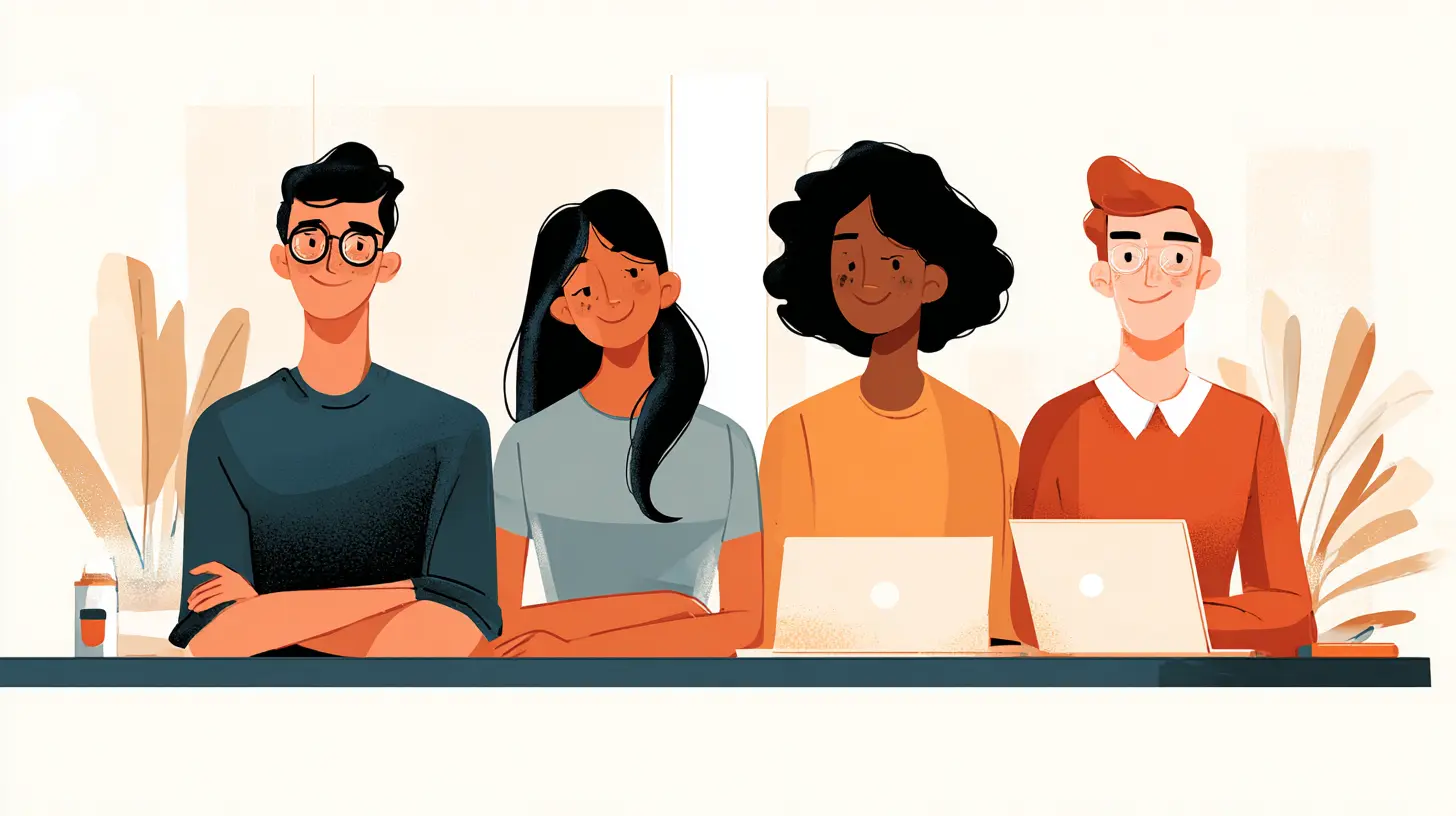
What Motivates Millennials and Gen Z in the Workplace?
Let’s set the record straight: it’s not just about the paycheck.1. Purpose-Driven Work
For both Millennials and Gen Z, a job isn’t just a job—it’s a way to contribute to something bigger. They want to feel like their work has a purpose and aligns with their personal values.In simpler terms? They’d rather work for a company that champions sustainability or social equity than one that just churns out profits.
2. Flexibility is Key
The 9-to-5 schedule? That’s so 90s. These generations crave flexibility. Whether it’s working remote, flexible hours, or the option to work from a beachside café, the idea of work-life integration speaks to them.3. Growth Opportunities
No one wants to feel stagnant in their job. Millennials and Gen Z are hungry for growth—whether it’s climbing the corporate ladder, developing new skills, or pivoting into new roles. Stuck employees are disengaged employees.4. Connection and Belonging
Ever heard the phrase, “People don’t leave jobs, they leave managers”? The emotional connection they feel in the workplace is huge. They want authentic relationships with their coworkers and leaders, not to mention a strong sense of community within the company.
Challenges Employers Face
Ok, engaging Millennials and Gen Z sounds great in theory, but let’s be real—it’s not always sunshine and rainbows.1. Changing Expectations
Keeping up with their expectations can feel like hitting a moving target. One minute they want hybrid work, and the next they’re craving in-person connections. Flexibility is non-negotiable, but it’s tricky to strike the right balance.2. Job-Hopping Culture
They’ve been dubbed the “Job-Hopping Generation” for a reason. Millennials and Gen Z aren’t afraid to switch jobs if their needs aren’t being met. Loyalty to a single employer has taken a backseat, making retention a headache for many companies.3. Mental Health Concerns
Mental health is huge for these generations. They’re open about their struggles and expect their workplace to support them. Employers who fail to address mental health are likely to see burnout and turnover skyrocket.
How to Engage Millennials and Gen Z
Here’s where we roll up our sleeves and dive into actionable strategies for engaging this dynamic duo.1. Foster a Purpose-Driven Culture
This can’t be overstated. Your company’s mission has to align with their values—and it’s not just something you slap on your website. Live it. Breathe it. Show how their work contributes to a greater cause.For example, if your company champions sustainability, share updates on your eco-friendly initiatives. Got a community outreach program? Involve employees and highlight their contributions.
2. Prioritize Flexibility (With Boundaries)
Work from home? Sure. Remote-friendly policies? Absolutely. But don’t forget to set clear expectations to avoid miscommunication. Flexibility shouldn’t mean 24/7 availability—it should mean designing a system that works for both parties.Pro tip: Consider offering “flexible Fridays” or introducing a 4-day workweek experiment. Trust us, it’s an engagement game-changer.
3. Offer Upskilling Opportunities
Millennials and Gen Z are constantly looking to grow. Offering regular training sessions, access to online courses, or mentorship programs can go a long way. Make personal development a priority, and watch how invested they become in your company.4. Focus on Mental Health and Well-Being
This generation isn’t afraid to talk about anxiety, depression, or burnout. Employers need to step up and create a safe space for these conversations.What can you do? Offer mental health resources, provide access to professional counseling, give employees mental health days, or even host wellness workshops. These small steps speak volumes about your company’s values.
5. Build Strong Relationships
Want to know the secret sauce to engagement? Human connection. Show them that their voice matters. Practice active listening, encourage open communication, and give real feedback (none of that generic “Good job!” pat on the back).And don’t forget: leadership matters. Managers play a huge role in shaping the employee experience. Train your leaders to be empathetic and approachable.
The Role of Technology
Let’s get real—if your company is still clinging to outdated systems, you’re going to lose this tech-savvy crowd. For Millennials and Gen Z, tech isn’t an add-on; it’s the backbone of how they work.Adopt Modern Tools
From project management software like Asana to communication platforms like Slack, technology makes collaboration seamless.Use AI and Automation
This doesn’t mean replacing employees with robots (relax!), but streamlining tasks through automation can free up their time for more meaningful work.Creating a Diverse and Inclusive Workplace
Diversity isn’t just a buzzword—it’s a must. These generations expect workplaces to represent a melting pot of cultures, experiences, and perspectives.Actions Speak Louder Than Words
Sure, talk about diversity, but also walk the walk. Create mentorship programs for minority employees, celebrate cultural awareness months, or ensure diverse candidates fill leadership roles.Encourage Authenticity
Your workplace should be a judgment-free zone where employees feel safe to be their true selves. After all, isn’t life too short to pretend to be someone you’re not?Measuring Success
You’ve implemented all these changes—great! But how do you know if it’s working?Employee Engagement Surveys
These can be a goldmine of feedback. Be honest, ask tough questions, and actually take their suggestions seriously.Monitor Retention Rates
If you’re seeing less turnover and more long-term commitment, you know you’re on the right track.Regular Check-Ins
Schedule one-on-one meetings to identify what’s working and what’s not. Sometimes, just taking the time to ask, “How are you doing? How can I support you?” can make all the difference.Wrapping It Up
Engaging Millennials and Gen Z in today’s workforce isn’t just about perks like free snacks or ping-pong tables (although admittedly, those don’t hurt). It’s about creating a workplace culture that values purpose, flexibility, inclusivity, and growth.Moral of the story? Listen to what they want, adapt your approach, and you’ll not only attract top talent but also retain it for the long haul. These generations bring fresh ideas, innovative thinking, and a drive to create change—so don’t miss the opportunity to harness their potential.
all images in this post were generated using AI tools
Category:
Employee EngagementAuthor:

Rosa Gilbert
Discussion
rate this article
1 comments
Jessica McGrady
To truly engage Millennials and Gen Z, businesses must prioritize purpose and transparency. Fostering a culture of collaboration and innovation will not only attract young talent but also motivate them to contribute meaningfully, creating a more vibrant and dynamic workplace.
June 21, 2026 at 3:41 AM