Creating a Sustainable Business Model for Long-Term Success
20 March 2026
Alright, let’s be real for a second. Starting a business is like adopting a high-maintenance, drama-loving houseplant. It sounds cute at first, but if you don’t water it regularly, give it enough sunlight, or keep the pests away, it’s going to flop faster than me attempting to “eat clean” on a Friday night. The same goes for running a business! If you’re not planning for sustainability, it’s only a matter of time before it withers.
But fret not, my entrepreneurial buddy. Building a sustainable business model is not as complicated as building IKEA furniture (seriously, why are there always leftover screws?). With a little know-how, some good ol' planning, and a dash of humor, you can create a model that stands the test of time. So, grab your coffee (or tea—I don’t judge), and let’s dive in!

What Even Is a Sustainable Business Model?
Let’s start with the basics. A sustainable business model is like that friend who always pays their rent on time, recycles, and brings reusable bags to the grocery store. It’s a setup that ensures your business doesn’t just survive but thrives in the long run—financially, socially, and environmentally. Essentially, it’s the framework that keeps your business profitable without burning out your team, your resources, or, you know, the planet.In other words: It’s about playing the long game. Instant gratification might be cool when you’re binge-watching Netflix, but in business? It’s a recipe for disaster. 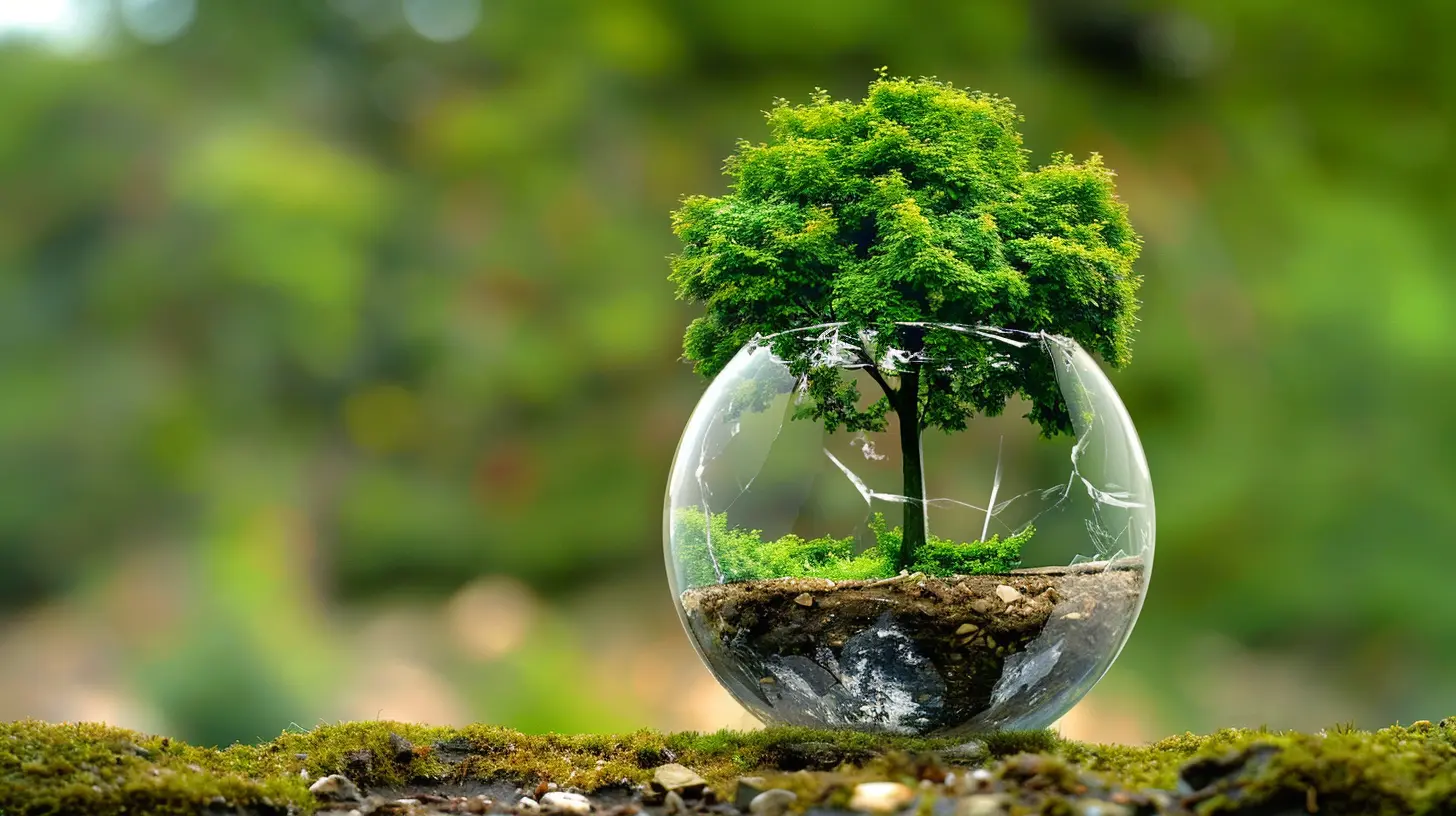
Why Should You Care About Sustainability?
Now, you might be thinking, “Okay, but why should I care? I just want to make money.” Well, sure, making money is the goal—but are you trying to make money this week or for the next 10+ years?Here’s the deal:
- Customers are woke. People these days are like bloodhounds for shady business practices. They’ll sniff out unethical behavior or wastefulness faster than you can say, “Whoops!”
- The competition is fierce. Businesses that adopt sustainable practices are ahead of the curve, while everyone else is sitting there wondering why they’re falling behind.
- It saves you money. Yep, being sustainable actually reduces waste and increases efficiency, which means more moolah in your pocket.
- It’s good karma. Do good, and good will come back to you. Look, I’m no philosopher, but it just feels nice to be a decent human, right? 
How to Create a Sustainable Business Model
Alright, enough of the “why.” Let’s get into the juicy “how.” Here are some actionable steps to get your business running like a well-oiled (eco-friendly) machine.1. Start By Defining Your Goals
Imagine going on a road trip without a destination. Sure, it might sound adventurous, but odds are you’ll end up lost in the middle of nowhere with a dead phone and zero snacks. The same goes for your business.To create a sustainable model, you need to know what “success” looks like for you. Is it long-term profitability? Reducing your carbon footprint? Making customers smile so hard they get laugh lines? Write it all down.
Pro tip: Don’t just think about financial goals. Incorporate social and environmental goals, too. Balance is key—like pairing fries with a salad.
2. Understand Your Audience Like They’re Your BFF
If your business is a plant, your audience is the water. You need them to survive! But here’s the thing—you can’t just pour random tap water on every plant and expect them to bloom. You’ve got to understand their needs.Ask yourself:
- Who are they?
- What do they care about?
- What keeps them up at night? (Besides TikTok scrolling.)
Once you know your audience inside out, you can craft offerings that make them feel like you’ve read their minds. And guess what? A happy customer is a loyal customer, and loyal customers are the bread and butter of any sustainable business.
3. Build Relationships, Not Just Transactions
Look, I get it. Sales matter. But you know what matters more? Building relationships. Think of this as the difference between a one-night stand and a lifelong friendship. One pays the bills short-term, but the other remains rock solid through thick and thin.How can you do this? Start by fostering trust. Be transparent about your practices, own up to your mistakes (yep, we all make them), and go above and beyond to show your audience you value them.
Also, don’t just sell. Engage. Interact with your customers on social media, ask for their feedback, and make them feel like they’re part of your story. Spoiler alert: They are!
4. Streamline Your Operations Like a Pro
Sustainability isn’t just about planting trees and using paper straws. It’s about working smarter, not harder.Here are some ways to streamline your operations:
- Reduce waste by tracking resources. If you’re tossing out a ton of unsold products, it’s time to rethink your inventory.
- Automate repetitive tasks. Why write the same email 50 times when you can use automation tools? (Work smarter, not harder.)
- Go digital where possible. Cutting down on paper isn’t just eco-friendly—it’s cost-effective, too.
Efficiency isn’t the enemy of creativity—it’s its secret weapon. Use it.
5. Put Your Team First
Fun fact: Your employees aren’t robots. They’re humans with feelings, ideas, and—most importantly—the ability to make or break your business.A sustainable business treats its team like gold. Think competitive salaries, work-life balance, and opportunities for growth. You know that saying “Happy wife, happy life”? Well, happy employees, happy business.
And hey, if you’re running solo right now, this still applies. Treat yourself with kindness. Seriously, take a day off now and then. Burnout is not a badge of honor.
6. Adapt Like a Chameleon in a Tie-Dye Shirt
The world is changing faster than my mood on Monday mornings. To stay sustainable, you’ve got to keep up.Be ready to pivot when needed. Maybe your product isn’t hitting the mark—time to tweak it. Or maybe your audience’s values shift overnight—don’t freak out; adjust your messaging. Flexibility is the secret sauce of sustainability.
7. Measure, Monitor, Repeat
How do you know if your business model is sustainable? By checking in regularly. Treat it like a gym schedule (but hopefully one you actually stick to).Measure key metrics like:
- Profit margins
- Customer retention rates
- Employee satisfaction
- Environmental impact
If something’s not working, don’t sweep it under the rug. Address it, fix it, and move forward. 
The Funny Truth About Sustainability
Let’s be real for a second: Creating a sustainable business model can feel overwhelming at first. You’ll make mistakes. You’ll have moments where you question whether it’s all worth it. But here’s the kicker—building a sustainable business isn’t about being perfect. It’s about progress.So yeah, it’s a bit like learning to ride a bike. You’ll wobble. You might (okay, you will) fall. But ultimately, you’ll find your balance. And when you do? You’ll ride like the wind—without worrying about crashing.
Wrapping It Up
Creating a sustainable business model for long-term success isn’t about reinventing the wheel or saving the world single-handedly (though, if you can do that, hats off to you). It’s about being intentional. It’s about balancing profits with purpose and staying adaptable in this chaotic, fast-paced world of ours.And remember, Rome wasn’t built in a day. So, start small, focus on consistency, and keep your sense of humor intact. After all, you’re building more than a business—you’re building a legacy.
all images in this post were generated using AI tools
Category:
Small BusinessAuthor:

Rosa Gilbert
Discussion
rate this article
2 comments
Judith Long
Great insights! Building a sustainable business model is crucial for enduring success. It not only benefits the environment but also fosters loyal customer relationships. Keep inspiring!
April 9, 2026 at 12:18 PM
Rosa Gilbert
Thank you! I'm glad you found it valuable. Building sustainability is indeed key for both the planet and lasting customer loyalty.
Kael Benton
Sure! Here’s a light-hearted comment for your blog article: Creating a sustainable business model is like planting a tree—water it with innovation, avoid the weeds of waste, and soon you'll be enjoying the shade of long-term success. Just watch out for pesky squirrels!
March 28, 2026 at 4:06 AM
Rosa Gilbert
Thanks for the playful analogy! Love the tree metaphor—innovation truly is the water we need for growth. 🌳