The Role of Central Banks in Stabilizing Volatile Markets
28 March 2026
Let’s face it—nobody likes a shaky economy. When markets tumble, investors panic, businesses hesitate, and the everyday person feels the pinch in their pocket. But ever wonder who helps keep things from spiraling out of control? That’s where central banks swoop in, like financial superheroes wearing suits instead of capes.
In this article, we're going to break down the powerful role that central banks play in calming volatile markets. We'll dive into their tools, actions, and the ripple effects those decisions have on the global economy. So, pull up a chair and grab a coffee—this one's worth understanding.

What Exactly Is a Central Bank?
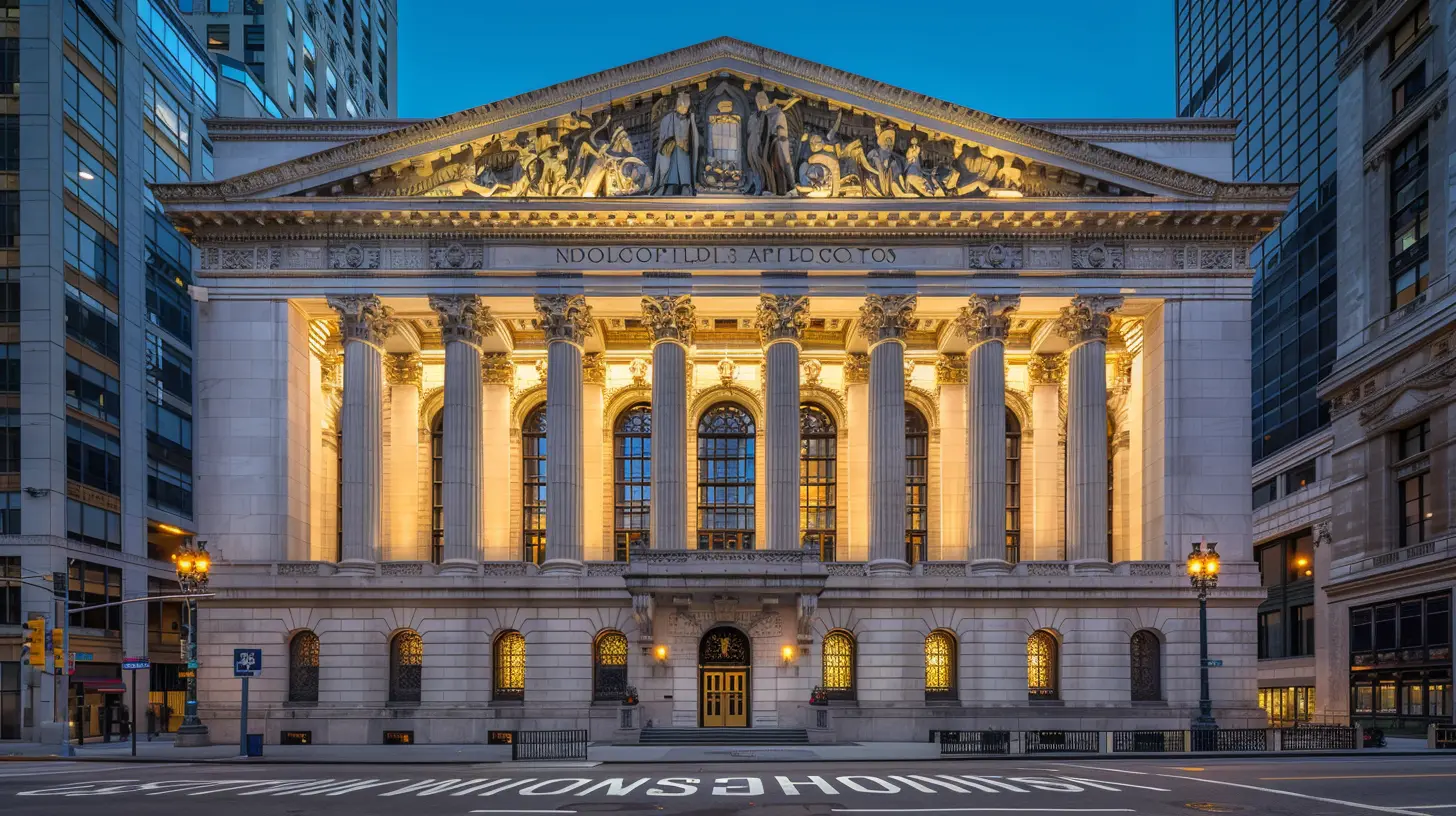
Before we jump into their heroics, let’s understand who they are. A central bank is a national institution that manages a country’s currency, money supply, and interest rates. Think of it as the financial backbone of a country. Some well-known players are the Federal Reserve (the Fed) in the U.S., the European Central Bank (ECB) in the Eurozone, and the Bank of England in the U.K.But they're not your average bank. You can’t open a checking account at a central bank. Their job is more behind the scenes—but trust me, it’s a BIG job.
Why Do Markets Get Volatile?
Markets aren’t always a smooth ride. Sometimes they’re a rollercoaster.Volatility in markets means prices of assets—stocks, bonds, currencies—are moving up and down rapidly. These swings can be triggered by a bunch of things:
- Political uncertainty
- Inflation fears
- War or conflict
- Sudden economic slowdowns
- Pandemics (Remember 2020?)
- Surprise announcements from big companies or governments
In moments like these, investors either rush in or run for the hills. Either way, the sudden moves can cause serious instability in financial systems.

The Mission of Central Banks: Market Stability
So, where do central banks come in during these wild times? Their main goal is to maintain financial stability. That means making sure that the financial system operates efficiently—even when the economy’s throwing tantrums.Central banks don’t prevent volatility entirely. That would be like trying to stop waves with your hands. But they do work to soften the impact, calm jitters, and guide markets back to safer grounds.

How Central Banks Soothe Shaky Markets
Let’s get into the toolkit. Central banks have some powerful tools at their disposal, and they know how to use them when the going gets tough.1. Interest Rate Tweaks
This is probably the most well-known trick in the book. Central banks can raise or lower interest rates to influence economic activity. During a crisis, they often slash interest rates to make borrowing cheaper. It’s like giving the economy a shot of espresso.Why does this help? Because cheap loans encourage people and businesses to spend more. More spending means more economic activity, which can reduce panic and boost confidence.
On the flip side, if inflation is running wild, they can hike rates to slow things down before the economy overheats.
2. Quantitative Easing (QE)
Sounds fancy, but here’s the scoop.Quantitative Easing is when central banks buy large amounts of financial assets, like government bonds, from the market. This pumps money into the economy and keeps interest rates low.
Think of it as a money hose—spraying liquidity into the system to keep things moving. It’s been used a lot in recent years—especially after the 2008 Global Financial Crisis and during the COVID-19 pandemic.
3. Central Bank Communication
This is an underrated but incredibly powerful tool—talking. Yep, that’s right.When a central bank makes a public statement or signals future moves, it can soothe nerves or guide expectations. This is often called “forward guidance”.
For example, if the Fed says, “We’ll keep interest rates low for the next year,” investors and businesses can plan accordingly. Confidence goes up, and markets stabilize.
4. Emergency Lending Facilities
In times of crisis, some institutions just need a cash lifeline. Central banks can act as a “lender of last resort”, offering emergency loans to banks and financial firms.This prevents a domino effect. If one big bank goes under, it can drag down others—but with emergency support, that risk decreases significantly.
5. Currency Interventions
Central banks may step into the foreign exchange markets to stabilize their own currency. If the value of a national currency falls or rises too quickly, it can wreak havoc on trade and inflation.By buying or selling currencies, central banks can dampen extreme movements and restore balance.
Real-Life Examples of Central Bank Action
Let’s bring all this theory to life with a few real-world incidents.The 2008 Global Financial Crisis
Remember the housing bubble that burst? When markets crashed and banks were on the brink, central banks swung into action.The Fed dropped interest rates close to zero and launched massive quantitative easing programs. It also bailed out financial institutions that were too big to fail.
The COVID-19 Pandemic (2020)
Markets went into a tailspin in early 2020. The uncertainty was crushing. Within days, central banks around the world cut interest rates and rolled out emergency stimulus.The Fed, for instance, introduced unlimited QE and provided financial support to struggling sectors. These actions helped stabilize markets and avoided a worst-case scenario.
The Eurozone Debt Crisis (2011)
The European Central Bank faced enormous pressure when countries like Greece and Italy saw debt levels skyrocket. The ECB’s pledge to “do whatever it takes” to preserve the euro calm markets dramatically—even before much money was spent.That’s the power of words in action!
Critics and Controversy: Is Too Much Help a Bad Thing?
As much as central banks are praised for their balancing acts, they aren't without critics.Some argue that keeping interest rates too low for too long creates “bubbles” in housing or stock markets. Others worry that constant market intervention reduces the natural risk-and-reward balance that should exist.
Think about it—if investors believe the central bank will always step in to save the day, they might take bigger risks. It’s a bit like giving a teenager your credit card with no spending limit.
Central Banks and Inflation Management
One of the biggest side effects of aggressive central bank policies is inflation—a rise in the prices of goods and services. If a central bank prints too much money, inflation can spiral.So, central banks don’t just care about market stability. They also walk a tightrope of keeping inflation under control while still supporting economic growth.
The Psychological Edge: Confidence Is Key
At the end of the day, markets are driven by people—our fears, hopes, and expectations. Central banks understand this. That’s why their role isn’t just economic—it’s psychological.Their actions signal safety, build trust, and reassure investors. Even if they don’t fix everything overnight, they remind us that someone’s driving the bus.
The Global Impact of Central Bank Moves
Here’s something interesting: what one central bank does can affect the entire world.If the U.S. Federal Reserve raises rates, even people in emerging markets like India or Brazil feel the squeeze. That’s because global money flows where it earns the most.
Central banks today don’t just stabilize their own economies—they influence global ones. It’s a web, and the threads stretch far and wide.
Final Thoughts
So, the next time you hear news about interest rate changes or bond-buying programs, you’ll know these aren’t just boring financial terms. They're the levers and pulleys that central banks use to steady the ship in stormy economic seas.Central banks may not be visible to most of us, but they shape the economy you live in every single day. They’re the financial firefighters—rushing in when the heat turns up, putting out flames before the blaze consumes the entire building.
Understanding what they do isn’t just for economists or stock traders—it’s information that can help all of us feel a little more secure when the financial world gets a little too wild.
all images in this post were generated using AI tools
Category:
Economic TrendsAuthor:

Rosa Gilbert
Discussion
rate this article
2 comments
Celeste Franco
Central banks play a crucial role in stabilizing volatile markets by adjusting monetary policy, ensuring liquidity, and fostering investor confidence. Their timely interventions can mitigate economic shocks, promoting sustained growth and stability, essential for a resilient financial landscape.
April 19, 2026 at 2:48 AM
Rosa Gilbert
Thank you for your insightful comment! Central banks indeed are pivotal in ensuring market stability and fostering economic resilience.
Zedric Mason
Central banks are crucial for market stability; their actions decisively influence economic confidence.
March 30, 2026 at 12:12 PM
Rosa Gilbert
Absolutely! Central banks play a vital role in maintaining market stability and boosting economic confidence through their monetary policies.