The Rise of Digital Currencies and Their Impact on International Business
16 August 2026
Have you noticed the buzz about digital currencies lately? It’s like everyone’s talking about Bitcoin, Ethereum, or some new token that’s going to “change the game.” But let’s not just buy into the hype—let’s talk about what’s really going on. Digital currencies aren’t just a fad; they’re reshaping how we think about money, trade, and yes, international business.
Imagine a world where sending money across borders is as smooth as sliding into someone’s DMs. No banks, no middlemen, no delays. Sounds too good to be true? Well, thanks to digital currencies, that dream is becoming a reality. But this shift isn’t happening quietly; it’s shaking up the system—and businesses everywhere are learning to adapt or get left behind.
Let’s dive into this digital revolution and see what it means for international business. 
What Are Digital Currencies, Anyway?
First, let’s clear the air—what do we mean by “digital currencies”? Think of them as money, but without the physical part. No paper bills. No shiny coins jingling in your pocket. Instead, these currencies exist entirely online.Bitcoin (the OG of digital currencies), Ethereum, and even meme-inspired ones like Dogecoin—they’re all types of cryptocurrencies. These are decentralized, meaning there’s no central authority like a government or bank controlling them. Instead, they rely on blockchain technology, which is like a public ledger that records every transaction.
But it’s not just cryptocurrencies in play. Central banks are now jumping on the bandwagon, creating their own versions called Central Bank Digital Currencies (CBDCs). Unlike Bitcoin, these are controlled by governments, but they’re still digital. It’s like the financial world is going through its own Netflix-versus-cable battle. 
Why Are Digital Currencies Gaining Momentum?
Why now? Why are digital currencies suddenly the talk of the town? Well, a couple of things are driving this buzz:1. Technology Is Evolving Faster Than Ever
Think about how far we’ve come in the past decade. From smartphones to self-driving cars, technology is accelerating at lightning speed. It’s no surprise that money—arguably one of the oldest inventions—is finally getting a high-tech makeover.Digital currencies harness the power of blockchain, smart contracts, and encryption. They’re like the Tesla of financial systems—sleek, efficient, and (supposedly) future-proof.
2. The World Is More Connected Than Ever
Globalization has made the world smaller. Businesses are no longer confined by borders. You can buy a product from India, sell it in Europe, and market it to customers in the U.S.—all from your laptop.But traditional currencies weren’t built for this kind of fast-paced, interconnected world. Bank transfers across borders can take days and cost a fortune in fees. Digital currencies solve these problems, making them a natural fit for global trade.
3. People Are Losing Trust in Traditional Systems
Here’s the harsh truth: trust in banks and governments is waning. Financial crises, inflation, and currency manipulation have left people searching for alternatives. Cryptocurrencies are appealing because they promise transparency, security, and freedom from centralized control.
How Are Digital Currencies Changing International Business?
Alright, now let’s get to the juicy part—how are digital currencies actually impacting businesses that operate across borders? Spoiler alert: it’s a game-changer.1. Faster Payments, Fewer Headaches
Picture this: you’re a small business owner in New York, and your supplier is in Vietnam. In the traditional system, you’d go through banks, pay hefty fees, and wait days for the money to transfer. With digital currencies, you can pay instantly—no middlemen, no nonsense.For businesses, especially small and medium-sized ones, this means smoother operations and happier partners. Time is money, right?
2. Lower Transaction Costs
Traditional cross-border payments rack up fees like nobody’s business. Banks, payment processors, and even currency exchange services take a cut. Digital currencies sidestep these intermediaries, slashing costs in the process.This is a big win for international businesses. Lower transaction costs mean bigger profit margins—or the freedom to lower prices and outcompete rivals.
3. New Markets, New Opportunities
Digital currencies make it easier to do business in countries with unstable financial systems or limited banking infrastructure. In places where credit cards aren’t widely used, for example, crypto can offer a way for customers to pay easily.It’s opening doors to markets that were previously too risky or too complicated to enter. Think of it as a digital bridge connecting businesses to untapped opportunities.
4. Reducing Currency Fluctuation Risks
Currency exchange rates can be a real headache. One day the dollar is strong, the next it’s tanking—and your profits go along for the ride. Some digital currencies, like stablecoins, are designed to have a consistent value, pegged to traditional assets like the U.S. dollar.For businesses, this stability is like having a financial safety net. It eliminates the guesswork and allows for smoother planning. 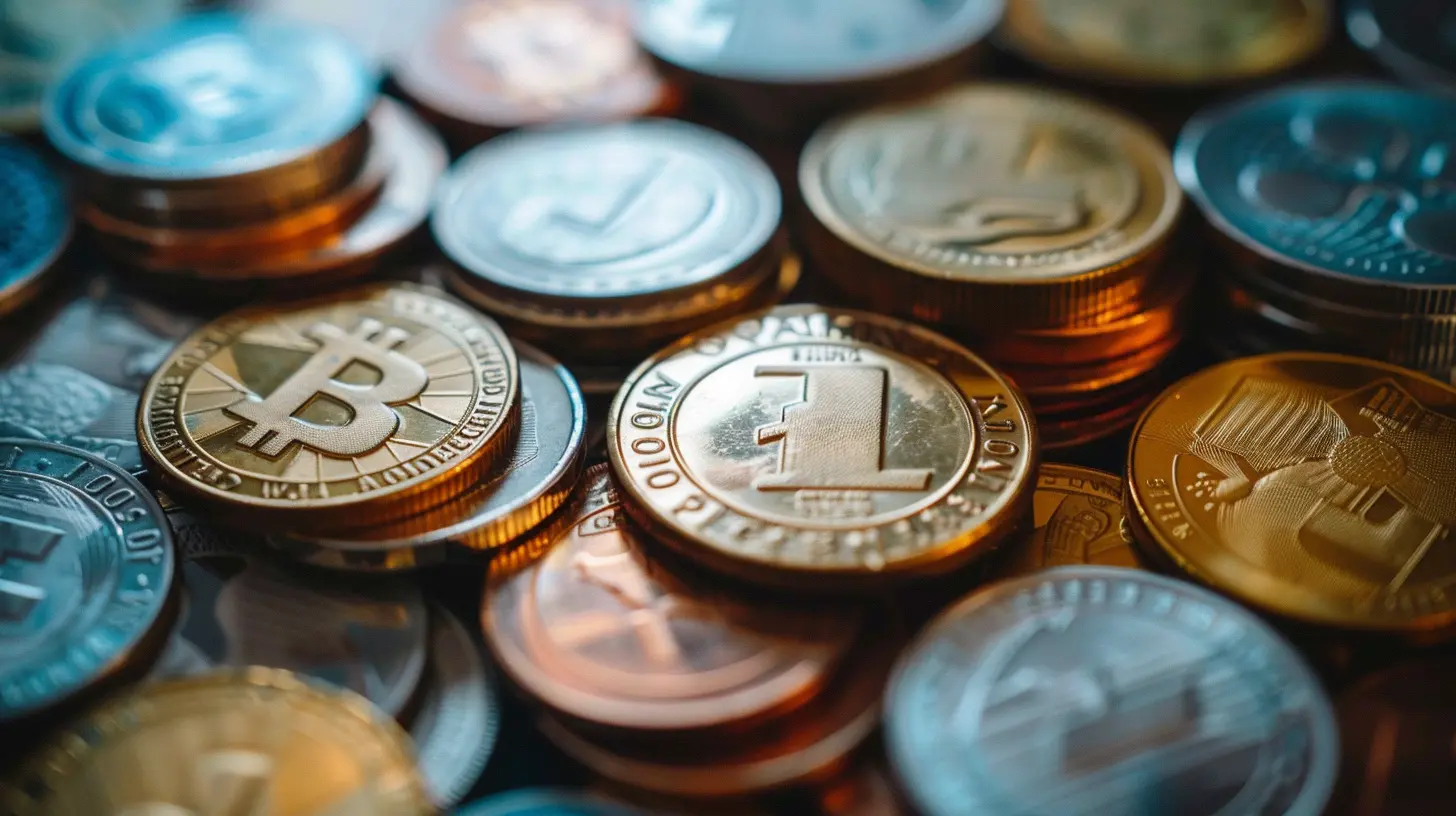
The Risks and Challenges of Going Digital
If digital currencies sound too good to be true, that’s because they’re not without their challenges. Nothing’s perfect, right?1. Volatility Is a Wild Ride
Cryptocurrencies like Bitcoin are notoriously volatile. One minute they’re worth a fortune, the next they’re crashing faster than a poorly coded app. For businesses, this unpredictability can be a dealbreaker.Imagine pricing your products in Bitcoin, only to find out the value dropped by 20% overnight. Not ideal.
2. Regulatory Uncertainty
Governments around the world are still figuring out how to regulate digital currencies. Some welcome them, others ban them outright. For businesses, this patchwork of rules can be confusing and risky.Will the rules change tomorrow? Will your transactions be taxed differently? It’s a bit of a minefield.
3. Security Concerns
While blockchain is secure by design, the digital currency world isn’t immune to hacks and scams. From phishing attacks to fake exchanges, the risks are real. Businesses need to be extra vigilant when navigating this space.What Does the Future Hold?
So, where are we headed? Are digital currencies the future of money—or just a passing trend? The truth is, nobody really knows, but the writing on the wall is hard to ignore.Adoption Is Growing
More and more businesses are accepting digital currencies as payment. Even big names like Tesla and Microsoft have dipped their toes in the crypto pool. As adoption grows, so does legitimacy.CBDCs Are On the Rise
Central Bank Digital Currencies are likely to become a big player. They combine the efficiency of digital payments with the stability of government-backed money. For businesses, this could bring the best of both worlds.The Technology Will Keep Evolving
Blockchain is still a relatively young technology. As it matures, we can expect even more innovations—think faster transaction speeds, better security, and lower costs.Final Thoughts
The rise of digital currencies is shaking up the world of international business. They’re making payments faster, reducing costs, and opening new doors for global trade. But they’re also bringing challenges—volatility, regulation, and security risks among them.For businesses, the key is to stay informed and be adaptable. The financial landscape is changing, and those who can ride the waves of this digital revolution will come out on top.
So, what do you think? Is it time your business joined the digital currency movement? The future isn’t written in stone, but one thing’s for sure: the times, they are a-changin’.
all images in this post were generated using AI tools
Category:
Economic TrendsAuthor:

Rosa Gilbert