The Intersection of Technology and Fiscal Policy in Driving Economic Recovery
19 March 2026
You know, nothing says "economic recovery" like a bunch of policymakers and tech geeks awkwardly dancing together at the high school prom of progress. Sounds thrilling, right? Well, hang onto your spreadsheets—because we’re diving into the wild, twisty world where code meets cash, and innovation takes a seat at the fiscal policy table (probably without wiping its feet first).
In this grand spectacle called "rebuilding the economy," technology and fiscal policy are the unexpected power couple we never knew we needed. One programs software in a hoodie, the other balances trillion-dollar budgets in a tailored suit. But when they work together—watch out. Magic happens. Like, real "turn-this-whole-economy-around" kind of magic.
Let’s jump in and decode this oddball yet powerful intersection, shall we?
Wait, What Even Is Fiscal Policy?
Before we get carried away with smart cities and blockchain bingo, let’s pump the brakes and talk basics.Fiscal policy is essentially how the government makes it rain—or doesn’t. It’s all about taxes, public spending, and debt management. Raise taxes? That’s fiscal policy. Cut spending? Also fiscal policy. Build a tunnel to nowhere funded with taxpayer dollars? You guessed it—fiscal policy again.
Now, why does this matter for economic recovery? Because when times get tough (think 2008 crash or, you know, a global pandemic), governments use fiscal policy to keep the economy from collapsing like a Jenga tower halfway through a party.
But here’s where it gets juicy: what happens when you sprinkle a little AI, machine learning, and digital wizardry into the mix? Enter technology.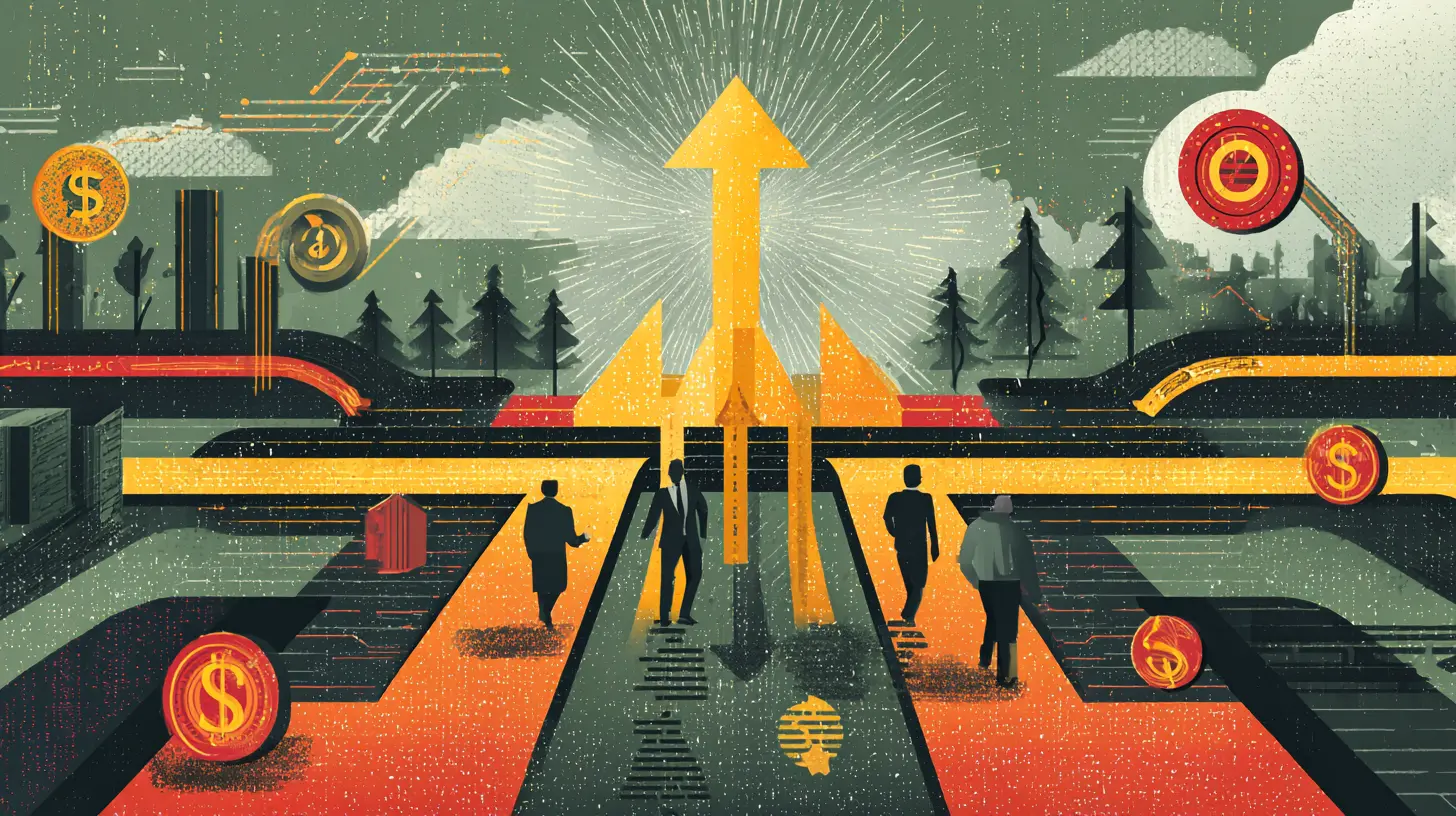
Tech to the Rescue: Not Just for Streaming Cat Videos
Let’s face it. If your mental image of "technology" is limited to TikTok dances and your grandma’s failed attempt at sending a GIF, we’ve got some updating to do.Technology today is slicing, dicing, and streamlining processes faster than you can say "quantitative easing." From big data analytics to blockchain, tech is the turbocharger on the sluggish engine of fiscal policy.
Let’s break it down:
- Big data helps governments make smarter policy decisions. No more blindfolded dart-throwing at budget charts.
- AI and machine learning identify trends faster than a Wall Street analyst hopped up on espresso.
- Digital payment systems streamline how stimulus checks and subsidies get into people’s hands (and ideally not someone else’s).
Tech fixes the plumbing behind fiscal policy. And, trust me, that plumbing was starting to stink.
Public Spending Gets a Tech Upgrade
Remember when public infrastructure projects meant eternal roadworks and budget overruns so bad they deserved their own Netflix drama? Well, say hello to smarter public spending.Thanks to tech, governments now have tools that actually track how money is being spent in real-time. Yup, shocking, I know. Welcome to the 21st century.
What's Actually Happening?
- Smart contracts make sure that when a contractor says, "I’ll build that bridge," they can’t take the money and ghost like a Tinder date.- Geospatial technology helps figure out where public investment is really needed—no more guesswork or political gerrymandering (okay, maybe a little).
- Digital dashboards let taxpayers see where their dollars are going. You might finally have a reason to yell “I pay taxes!”... and mean it.
What we’re seeing is a beautiful thing: accountability. And boy, has that been overdue.
Collecting Taxes? Tech Does It Better (Sorry, IRS)
Let’s talk taxes—everyone’s favorite topic! Okay, maybe not. But if you’ve ever spent 12 hours tangled in tax forms like it’s a game of Sudoku from hell, you’ll appreciate this.Tech is revolutionizing tax collection. No, seriously. We're talking real-time reporting, predictive analytics, and even blockchain-based tax systems. It’s like going from paper maps to Google Maps with traffic updates.
Here's how it's shaking up:
- Automated systems reduce fraud and make auditing less of a witch hunt.
- AI bots help process returns faster. Because waiting 3 months for a refund? Hard pass.
- Mobile tax apps bring the system to your fingertips. Literally.
Fiscal policy has long depended on efficient revenue collection. Tech just took that process from dial-up to fiber optic.
Stimulus and Subsidies: Now Wired for Speed
One of the big challenges during economic disasters is putting money into people’s hands quickly. The 2020 COVID crash proved that if you rely on paper checks and outdated systems, you're moving at government speeds... which is slower than molasses in Antarctica.Thanks to digital infrastructure and fintech, things are finally looking up.
Cue the Upgrades:
- Digital wallets and UBI pilots through apps? Yeah, we’re doing that now.- Biometric ID systems in countries like India ensure the right people actually get the support.
- Fintech partnerships mean governments no longer have to build platforms from scratch—we’ll just borrow Silicon Valley’s toys, thanks.
So instead of "Check’s in the mail," we’re talking "Money’s in your account—check your app." Revolutionary, I know.
Rebuilding Jobs: Robots Aren’t Taking Them All... Yet
Ah, the eternal debate. If automation takes over the world, where do all the humans go?While robots are definitely better at flipping burgers and sorting packages without complaining or needing a lunch break, technology is also creating whole new job markets. And fiscal policy? It’s the lifeguard making sure no one drowns in the transition.
Here’s the Real Tea:
- Investment in upskilling and reskilling is non-negotiable. You can’t just toss someone from a factory into a coding bootcamp and hope for the best (but hey, people try).- Incentives for tech hubs and innovation incubators are driving regional development. More jobs, less urban crowding. Win-win.
- Public-private partnerships are basically the Avengers of economic recovery. Everyone brings their power, and together they fight the evil of economic stagnation.
Tech gives us the tools. Fiscal policy ensures those tools don’t stay locked in an ivory tower.
Bridging the Digital Divide: Fiscal Policy to the Rescue?
Let’s get real for a second. Not everyone has high-speed Wi-Fi, a fancy laptop, or a clue what a "VPN" even is. And if economic recovery depends on digital access, we've got some explaining to do.Fiscal policy isn't just about pouring money into shiny gadgets. It has to address the digital divide—because if half the population is stuck buffering while the other half is coding AI, we’ve got more than a tech problem; we’ve got a societal one.
What's Working:
- Government-funded broadband expansion (because yes, rural areas exist).- Tech subsidies for low-income households, so the digital economy doesn’t turn into an exclusive club.
- Public digital literacy programs, because turning it off and back on again only gets you so far.
Creating an inclusive digital economy? Now that’s economic recovery worth writing home about (or tweeting, if the Wi-Fi works).
The Future: Cashless, Cloud-Based, and Constantly Updating
Let’s wrap this up with a little forward-thinking flair. Where is this whole "tech meets fiscal policy" train heading?We’re talking digital currencies, real-time government transactions, AI-built budgets, and maybe even a holographic Treasury Secretary giving us monthly updates (okay, I made that last one up… probably).
But one thing’s for sure: the age of “set it and forget it” fiscal policy is over. With tech, economic management becomes proactive, not reactive. It’s like having a GPS that not only tells you where to go but also warns you about upcoming traffic... and potholes... and detours... and maybe stops you from driving into a lake.
So What’s the Takeaway Here?
Technology and fiscal policy might sound like a mismatched buddy comedy, but they’re actually the plot twist we didn’t know our struggling economy needed. Together, they’re:- Making governments smarter and faster.
- Helping citizens access funds and services efficiently.
- Creating a more inclusive, transparent, and modern economic landscape.
Sure, there are bugs in the system (looking at you, broken government websites), but the trajectory is clear. We're heading toward a world where fiscal policy clicks "sync" with technology—and the results could be nothing short of economic magic.
If the 20th century was about industrial revolutions, the 21st is about digital revolutions... with a fiscal twist. Now, if only we could teach Congress how to use Slack.
all images in this post were generated using AI tools
Category:
Economic TrendsAuthor:

Rosa Gilbert
Discussion
rate this article
2 comments
Dominic Whitley
Great insights! Understanding how technology and fiscal policy intersect is crucial for fostering effective economic recovery strategies. Thank you for sharing!
April 14, 2026 at 10:45 AM
Rosa Gilbert
Thank you for your kind words! I'm glad you found the insights valuable.
Lorna McWhorter
Great article! It’s fascinating to see how technology and fiscal policy are intertwined in shaping our economic recovery. Embracing innovation while implementing smart fiscal strategies can truly pave the way for sustainable growth. Excited to see how these trends develop and impact our everyday lives! Keep up the great work!
March 19, 2026 at 12:46 PM
Rosa Gilbert
Thank you for your thoughtful comment! I agree-it's an exciting time to explore how these elements can drive meaningful change. Let's see what the future holds!