The Importance of Building a Strong Freelance Community
9 July 2026
Ever feel like freelancing is a lonely island with no rescue boats in sight? You're not alone.
Imagine waking up, coffee in hand, eyes still adjusting to the morning light, preparing to tackle the day’s client work. Deadlines loom. Emails pile up. Projects blur together. And then it hits: you haven’t had a real conversation with another freelancer in days—maybe even weeks.
That, my friend, is the dark side of freelancing. You’re free, but you’re floating solo. However, there’s a secret weapon that can turn the tide—a strong freelance community.
Let’s dive deep into why building and being part of a powerful freelance community isn’t just nice—it’s necessary.
The Lone Wolf Myth: Freelancing Isn’t Meant to Be Solo
There’s this romantic notion that freelancers are lone geniuses, thriving in isolation. You know, the stereotype—working from some exotic beach, sipping a coconut, their laptop glowing with success.Reality check: freelancing can be isolating, overwhelming, and even demotivating when you’re in it alone.
But here’s the kicker—no one truly thrives in a vacuum. Collaboration and connection drive growth, even for the most independent workers.
The truth? Strong freelance communities offer a safety net woven with threads of empathy, experience, and empowerment.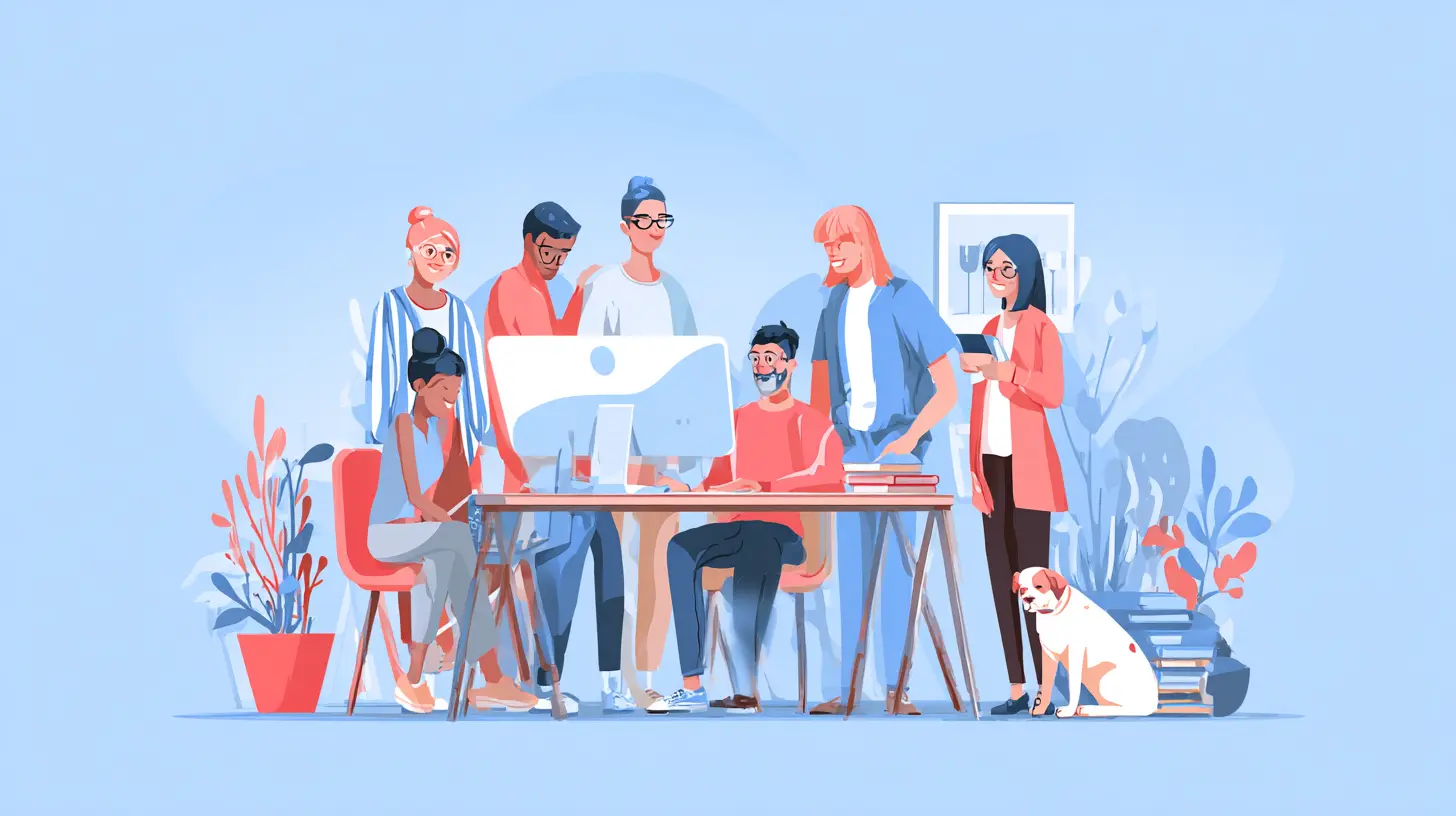
The Hidden Power Behind a Freelance Community
So, what makes a freelance community such a game-changer?Let’s peel back the curtain and look at the often-overlooked, underappreciated benefits.
? Support That Actually Gets It
Who better to vent to than someone fighting the same battles?When you’re knee-deep in revision #13 from a picky client or dealing with radio silence after submitting an invoice, freelancers get it.
Talking to friends outside the freelance world can feel like explaining rocket science to a toddler. But in a community of freelancers? They nod, they laugh, they empathize.
There’s power in knowing you're not alone in the hustle.
? Skill-Sharing That Levels You Up
Ever tried Googling something freelance-related and fallen down a rabbit hole of contradictory advice?Inside a community, you tap into collective knowledge that’s battle-tested. Need advice on raising your rates? Want feedback on your portfolio? Curious about a new tool?
Other freelancers are walking encyclopedias with real-life experience—and most are happy to share.
It’s like having access to a knowledge vault with the keys handed to you for free.
? Idea Cross-Pollination
Something magical happens when creative minds rub shoulders—ideas collide, inspire, evolve.You might be a copywriter who gets an idea for branching into UX content after chatting with a designer. Or a developer who partners with a brand strategist to offer tech + brand packages.
Communities help you see things through different lenses. That fresh perspective can spark your next pivot, niche, or higher-tier service.
? Organic Networking and Referrals
You hear “networking” and probably cringe a little. Sounds like schmoozy events and awkward small talk, right?But in a freelance community, it’s completely different.
You build connections naturally. People notice your expertise. You help someone, they remember you. Next thing you know, you're being referred to their client or asked to collaborate on a project.
It’s networking… but soft, warm, and wrapped in mutual respect.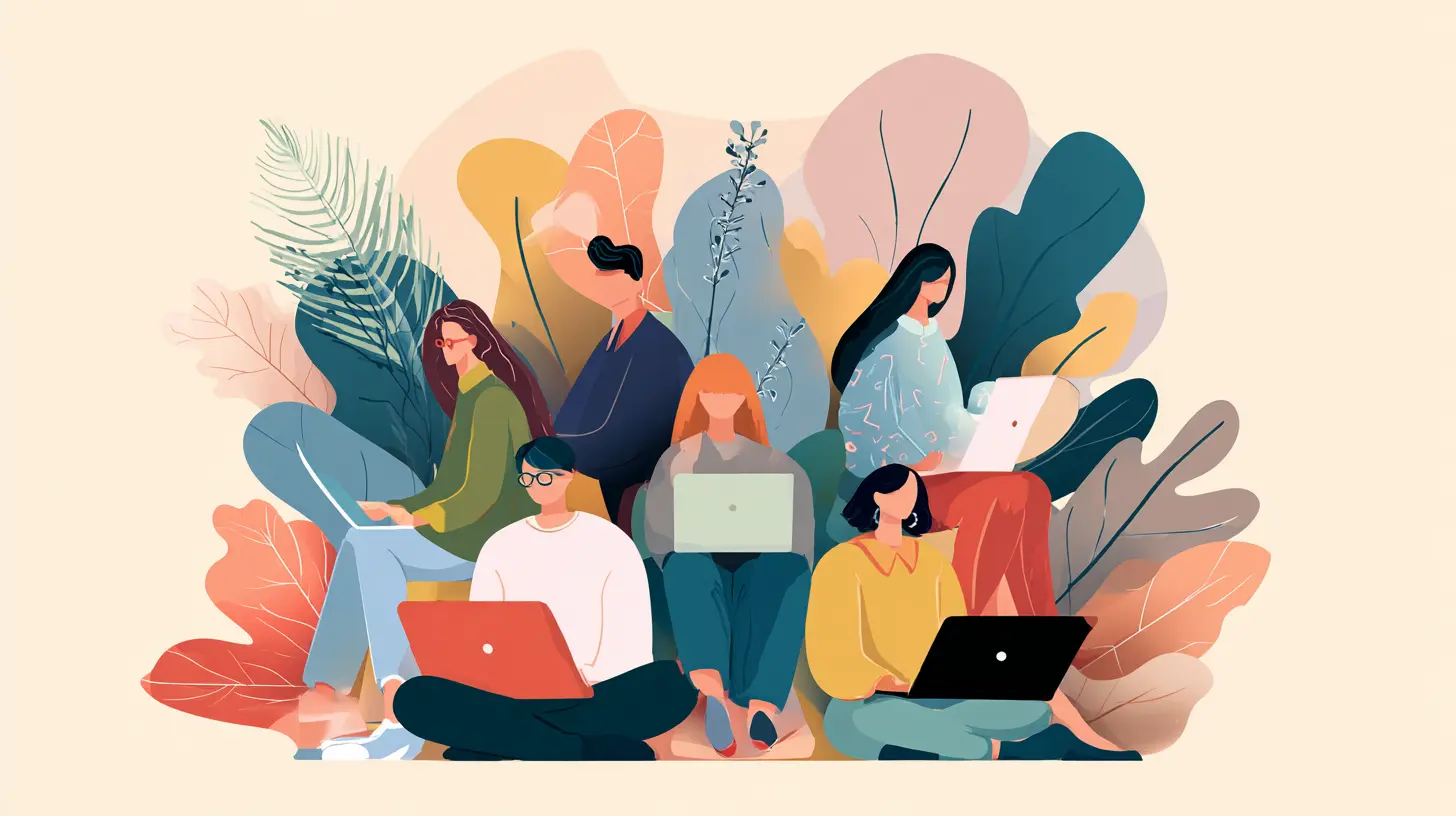
The Mental Health Lifeline You Didn’t Know You Needed
Let’s not sugarcoat it. Freelancing can mess with your head.You’re constantly juggling uncertainty—feast-or-famine cycles, imposter syndrome, anxiety about rates, and the never-ending chase for stability.
A strong community can be your mental oasis.
Sometimes, just voicing your fears and hearing someone say, “Me too,” is enough to dial down the panic.
Other times, it's about celebrating wins—no matter how small—that no one else would understand. Like finally firing a toxic client or landing a dream gig after months of drought.
You’re not just building business connections—you’re building emotional armor.
The Freelancer’s Circle of Trust
Inside a well-nurtured freelance community, trust isn’t a buzzword—it’s the bedrock.People share unfiltered truths. They open up about their biggest mess-ups and best wins. And that transparency creates a culture of trust you won’t find in many places.
It’s like your own personal mastermind group, accountability circle, and virtual water cooler, all rolled into one.
Over time, you start to grow together. You lift each other up. You win together.
What Does a Strong Freelance Community Look Like?
Now you might be wondering, “Okay, so where do I find this mythical freelance utopia?”The good news? You're not stuck creating one from scratch. Communities pop up in all sorts of places — you just need to know what to look for.
1. Online Communities
Think Slack groups, Discord servers, or Facebook groups.These virtual spaces can be treasure chests of insight, job leads, and encouragement. The key? Finding communities that align with your niche, values, and vibe.
2. Coworking Memberships
Physical coworking spaces often create events and digital forums tailored for freelancers.Even if you don’t show up IRL every day, being part of that collective can give you structure, support, and visibility.
3. Industry-Specific Hubs
Are you a freelance writer? Designer? Developer?There are specialized freelance collectives that exist just for your skill set. These tailored communities often share highly relevant opportunities and insider tips.
4. Create Your Own (Yes, Really)
Can’t find what you’re looking for? Start small.Form a Slack group with five other freelancers. Host monthly Zoom coffee chats. Create a shared Google doc of resources.
Your tribe doesn’t need to be massive—it just needs to be real.
How to Contribute and Thrive in Your Community
Spoiler alert: community isn’t just about what you take—it’s about what you give.Here’s how to show up and make an impact:
✅ Be Active, Not Just Present
Lurking is fine (we’ve all done it), but the magic happens when you engage. Ask questions. Share wins. Offer help.Think of it like a campfire—everyone needs to throw in a few logs to keep the fire burning.
✅ Share, Don’t Sell
Nobody likes the guy who’s always selling something. Be generous with your knowledge, your time, and your encouragement.When you give value first, opportunities flow to you naturally.
✅ Be Vulnerable, Not Perfect
You don’t have to curate a perfect freelance image. Share the highs and lows. Be human.That openness builds real connection—and trust.
When Communities Turn Sour (And How to Avoid Them)
Let’s keep it real. Not all freelance communities are utopias.Some get competitive. Others become echo chambers. Some are overrun with spammy self-promotion.
So how do you spot the red flags?
- Drama over Discussion: If every thread turns toxic, run.
- No Moderation: Lack of rules = chaos.
- One-Way Streets: If people only show up to sell or take, it’s not a community—it’s a Craigslist ad.
Find spaces where positivity, growth, and genuine support are baked into the culture.
The Future of Freelance Is Collective, Not Solo
Freelancing is growing—rapidly. More people are turning to independent work than ever before.But that also means more noise, more competition, and more pressure.
A strong freelance community acts like a lighthouse in that stormy sea. It keeps you grounded. It helps you grow. And most importantly, it reminds you that, while you may work for yourself, you’re never truly by yourself.
If you're currently solo, take that first step. Just one connection. One comment. One conversation.
Because the reality?
Community isn’t a luxury—it’s your secret weapon.
Final Thoughts: The Connection That Changes Everything
You can have all the tools—best laptop, perfect portfolio, dream clients—but without community, you're still operating at a fraction of your potential.A strong freelance community is the WiFi of your career. You may not see it, but trust me—you feel it when it’s strong. And when it’s missing? You know.
So go ahead. Find your people. Start small. Show up.
Because behind every thriving freelancer is a team of other freelancers rooting for them, even if they’re thousands of miles apart.
all images in this post were generated using AI tools
Category:
FreelancingAuthor:

Rosa Gilbert