The Economic Impact of Urbanization in Emerging Markets
23 January 2026
Urbanization—it's much more than just crowded streets and skyscrapers popping up like mushrooms after the rain. For emerging markets, it’s like a high-stakes game of Monopoly, where cities grow at breakneck speed, bringing both opportunities and challenges to the table. But, what does all this really mean for the economy? Let’s dive into the nitty-gritty of how urbanization is reshaping economic landscapes in rapidly developing countries.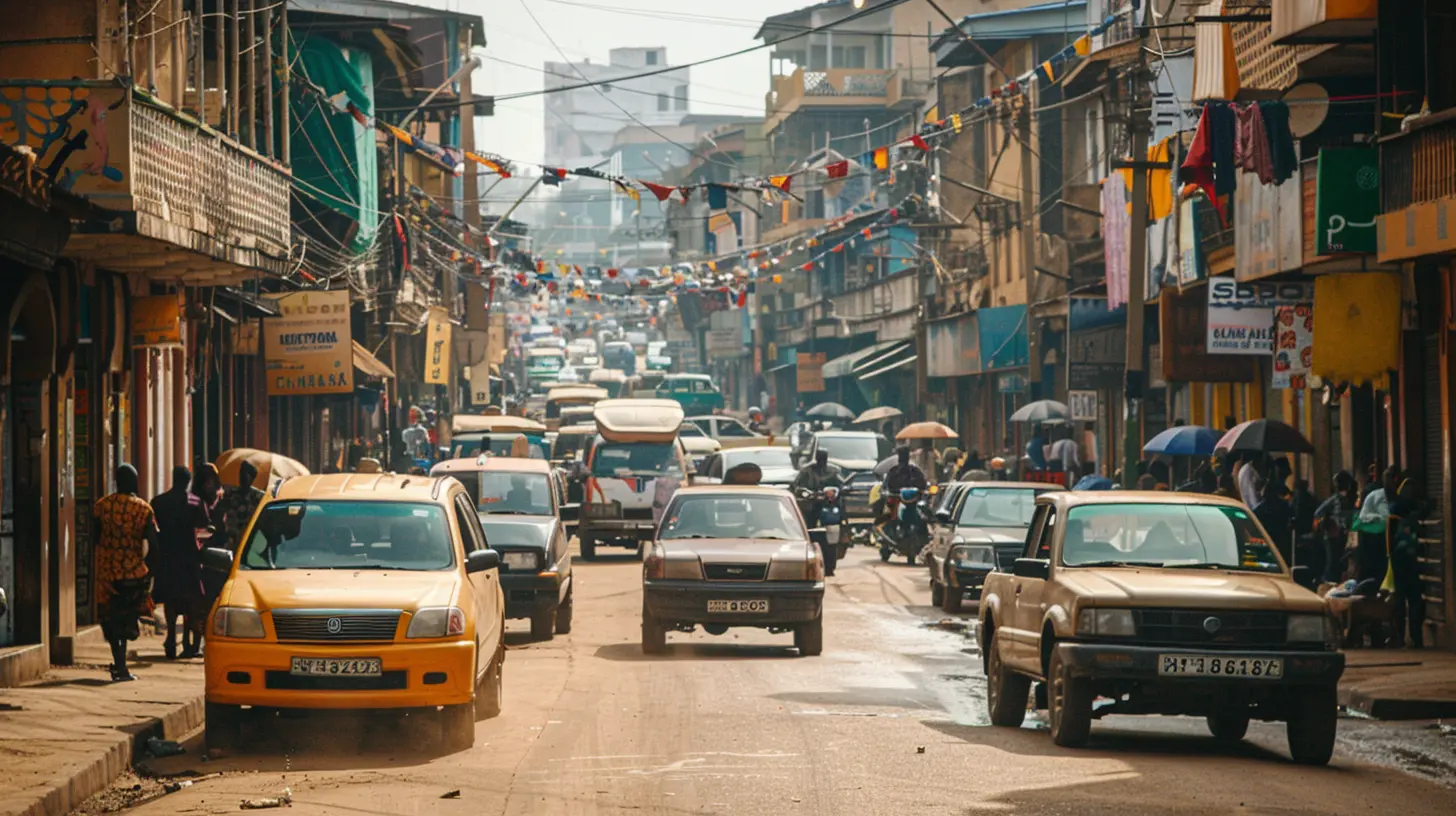
The Urbanization Boom: A Quick Overview
It’s no secret that urbanization is the talk of the 21st century. By 2050, experts predict that nearly 68% of the global population will live in cities. Emerging markets, places like India, Nigeria, and Brazil, are at the epicenter of this shift. It’s a wave—unstoppable and massive.But here’s the kicker: urbanization in these markets doesn’t unfold like a perfectly choreographed dance. It’s messy, chaotic even, but at the heart of it lies a transformative force that could take economies to the next level.
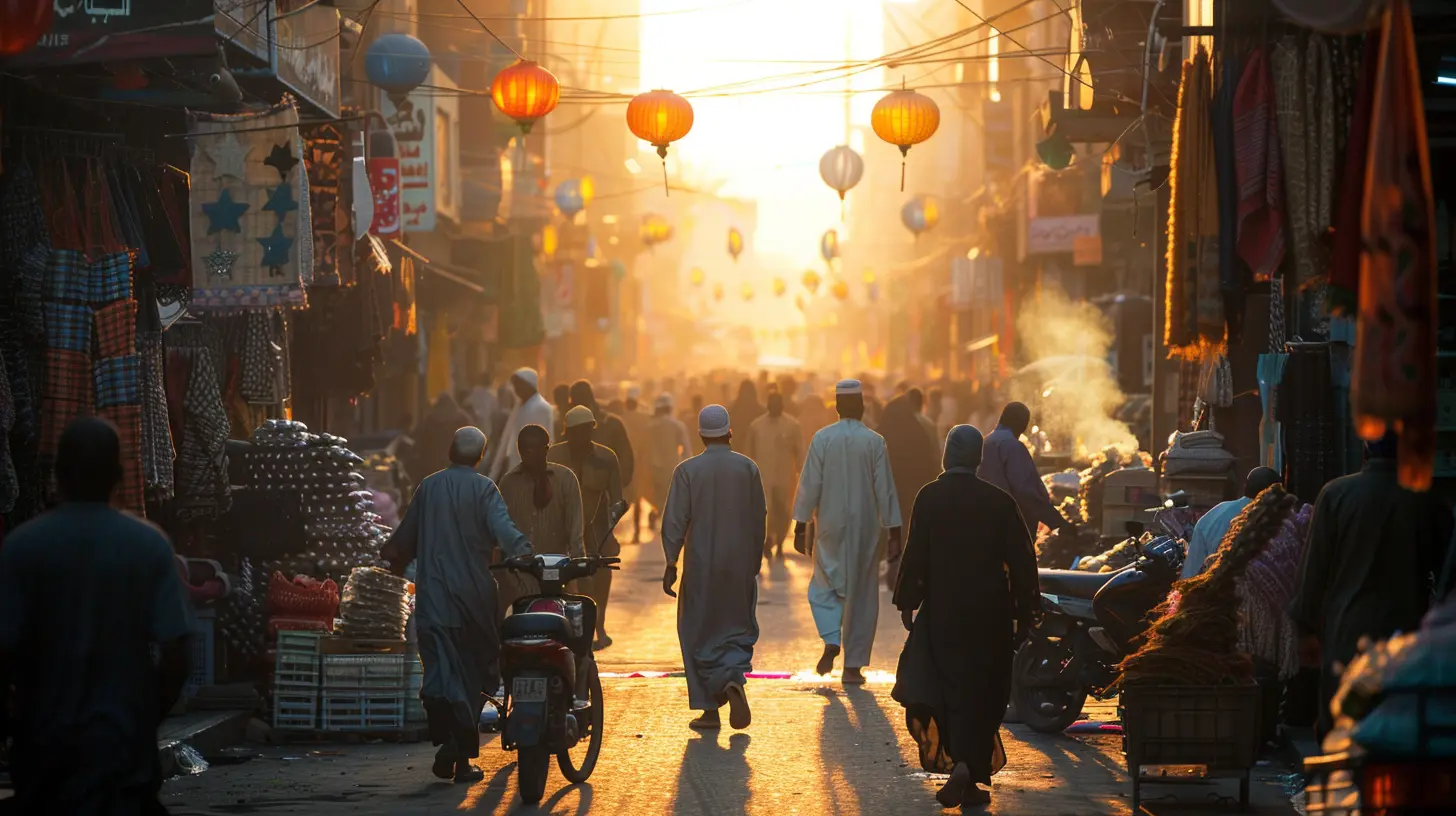
The Good Stuff: How Urbanization Fuels Economic Growth
1. Cities as Engines of Economic Power
Ever wonder why cities are often called “economic powerhouses”? Think of them as a giant magnet for talent, resources, and investments. Emerging markets' cities like Mumbai, Lagos, and Jakarta are buzzing hubs of activity. With larger populations clustered together, businesses have access to bigger markets and labor forces.- More Jobs: As cities grow, so do industries. Manufacturing, services, and tech sectors flourish, creating millions of jobs.
- Increased Consumer Spending: A dense population means more consumers spending on everything from street food to high-end electronics.
Think of urbanization like yeast in bread dough—the more cities rise, the bigger the economic 'loaf' gets.
2. Infrastructure and Investment: The Domino Effect
Infrastructure is the skeleton of urbanization. When cities expand, emerging markets pour billions into roads, bridges, public transit, water supply systems—you name it. And here’s the twist: this investment doesn’t just build cities; it catalyzes economic growth.- Foreign Direct Investment (FDI): Improved infrastructure attracts foreign investors. Companies want to set up shop where logistics and connectivity are solid.
- Real Estate Boom: The demand for housing skyrockets in urban areas, driving real estate markets and construction activity.
Picture this: every road or railway line built in an emerging market is like laying down tracks for a speeding economic train. 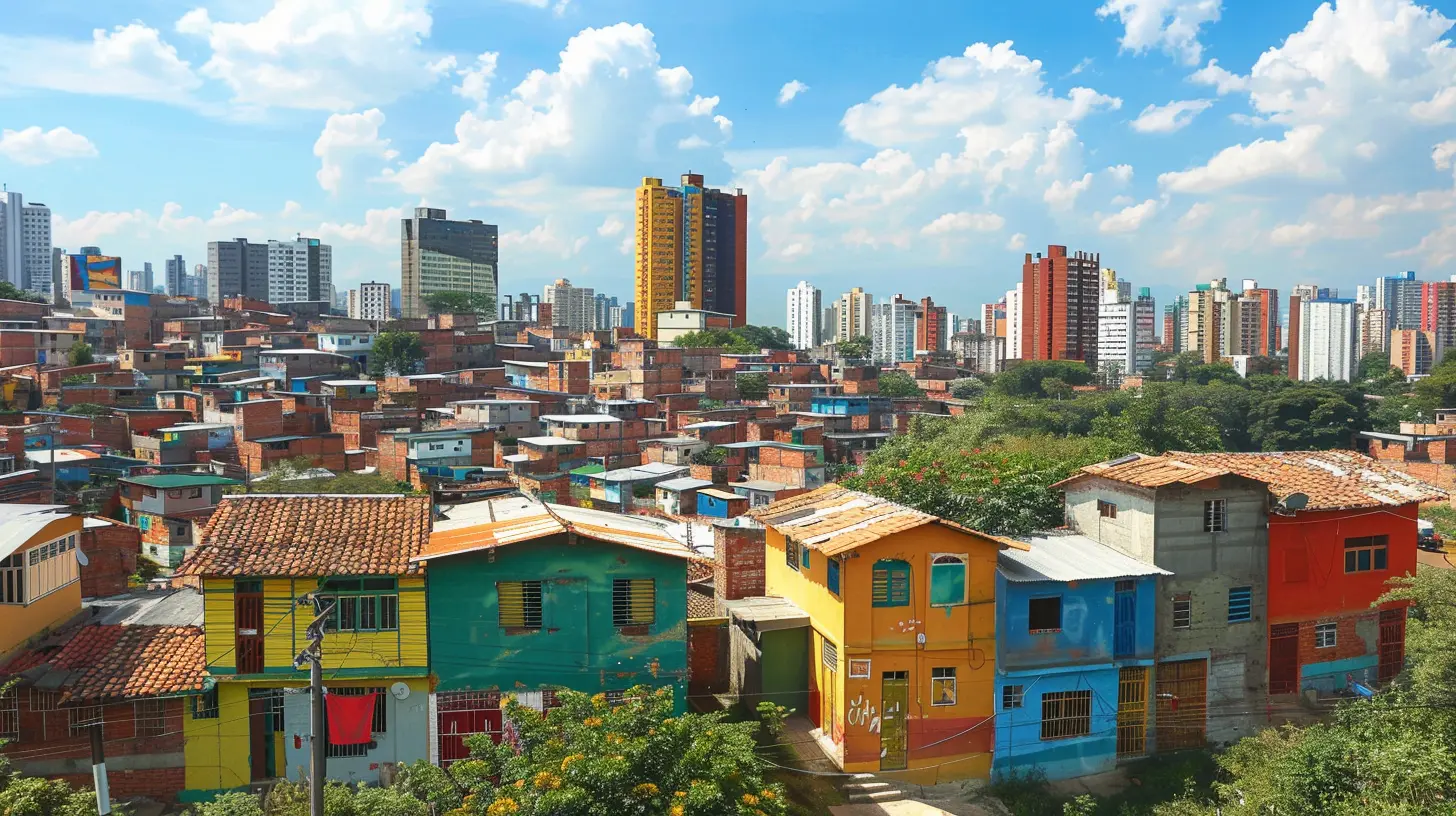
But Wait, There’s a Downside
Not everything about urbanization is sunshine and rainbows. Let’s be real—cities in emerging markets often struggle to cope with the pace of growth. The economic impacts aren't always positive, and ignoring the challenges would be like seeing only one side of a coin.3. Unemployment and Inequality: A Double-Edged Sword
While more people move to cities hoping for a better life, not everyone finds gold at the end of the rainbow. Emerging markets often see:- Skill Gaps: Industries require skilled labor, but many urban migrants lack the education or training to fill these roles.
- Widening Income Gaps: Urbanization tends to deepen the divide between the haves and have-nots. The wealthy thrive, while the poor are often left behind in overcrowded slums with limited access to basic amenities.
It’s like a seesaw—one side soaring while the other struggles to stay balanced.
4. Strain on Infrastructure and Resources
Let’s face it: cities in emerging markets are often overwhelmed. When populations grow faster than governments can build, chaos ensues.- Traffic Congestion: Think of Manila or Nairobi during rush hour—traffic jams stretch for miles, wasting time and productivity.
- Housing Shortages: Affordable housing becomes a pipe dream for many, forcing millions to live in informal settlements.
- Environmental Degradation: Urban sprawl eats into green spaces, while pollution levels climb like a kite on a windy day.
Imagine trying to pour water into an overflowing cup—it’s messy, inefficient, and bound to spill everywhere. That’s urbanization without proper planning.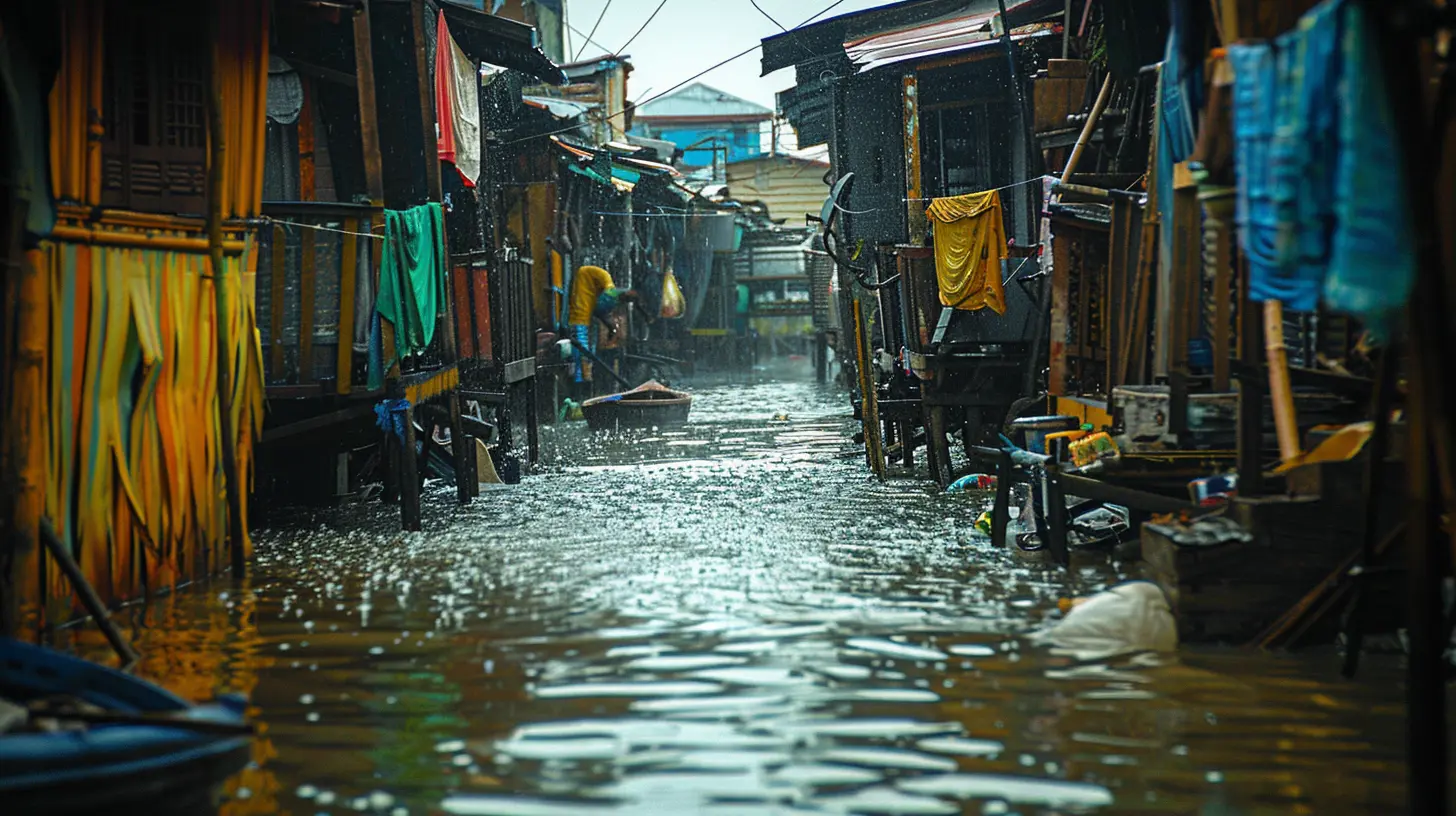
How Technology is Shaping the Future of Urban Economies
This isn’t the 1900s anymore. Emerging markets are leveraging technology to tackle urbanization like never before. It’s like giving cities a cheat code to level up their economies.5. Smart Cities: The Game-Changer
Technology-driven urbanization is all about creating “smart cities”—metropolitan areas that use data and tech to function efficiently.- AI and IoT Solutions: Sensors track traffic in real-time, helping manage congestion.
- Digital Infrastructure: From e-governance platforms to cashless payment systems, tech bridges the gap between services and citizens.
Think of it as urbanization 2.0—sleeker, faster, and more efficient.
6. The Rise of Startups and Digital Economies
Urban centers in emerging markets are becoming hotbeds for innovation. Cities like Bangalore, Nairobi, and São Paulo are home to thriving startup ecosystems.- Gig Economy Growth: Uber drivers, food delivery services, online tutors—urbanization fuels the gig economy, creating new-age jobs that didn’t exist a decade ago.
- E-commerce Boom: More urban dwellers mean a bigger market for online retailers. E-commerce is skyrocketing in cities across Africa and Asia.
In a way, these cities are like incubators, fostering entrepreneurial spirits and tech-driven solutions.
What It All Means for Businesses
If you’re a business owner or investor, urbanization in emerging markets should light up your radar. Why? Because these cities are the economic frontiers of tomorrow.- Untapped Markets: Emerging urban centers have massive middle-class populations ready to spend.
- Scalable Opportunities: From fintech to renewable energy, urbanization opens doors across industries.
But tread carefully—it’s like surfing. Get in at the right time, and you ride the wave; act too late, and you might wipe out.
Wrapping It Up: A Balancing Act
Urbanization in emerging markets is both an opportunity and a challenge. It’s like fire—it can warm a house or burn it down, depending on how it’s handled. On one hand, it drives economic growth, creates jobs, and attracts investments. On the other, it stretches resources, exacerbates inequality, and threatens the environment.The key is balance. Governments, businesses, and communities need to tackle the challenges head-on—investing in sustainable infrastructure, improving education systems, and leveraging technology to create inclusive urban spaces. If they get it right, the economic impact of urbanization in emerging markets could be nothing short of transformative.
So, what’s the bottom line? Urbanization is here to stay, and its economic ripples will only grow bigger. Whether those ripples turn into waves of prosperity or storms of inequality is up to us.
all images in this post were generated using AI tools
Category:
Economic TrendsAuthor:

Rosa Gilbert
Discussion
rate this article
2 comments
Harper Jordan
Great insights! The economic effects of urbanization in emerging markets are profound. Embracing these changes can lead to innovation and growth, fostering sustainable development and improved living conditions for all. Keep exploring this vital topic!
February 22, 2026 at 1:44 PM
Rosa Gilbert
Thank you! I'm glad you found the insights valuable. Embracing urbanization indeed holds great potential for innovation and sustainable development.
Madison McNab
Urbanization drives growth in emerging markets, but it also presents challenges that require careful management and planning.
January 23, 2026 at 4:12 AM
Rosa Gilbert
Thank you for your insightful comment! Indeed, while urbanization fuels economic growth in emerging markets, it also necessitates strategic planning to address the associated challenges effectively.