Sustainable Practices for a Franchise Business
6 June 2026
Running a franchise business comes with its own set of challenges and responsibilities. One responsibility we can't ignore anymore? Sustainability.
Let’s face it—we’re living in a more eco-conscious world. Customers are looking at where their dollar goes. They crave authenticity, transparency, and green practices. So, if you’re running (or planning to run) a franchise, going green isn’t just good for the planet—it’s also good for business.
In this post, we’ll dive deep into sustainable practices specifically tailored for franchise businesses. Whether you're a franchisee or a franchisor, there’s something here for everyone. Let’s roll up our sleeves and get into it.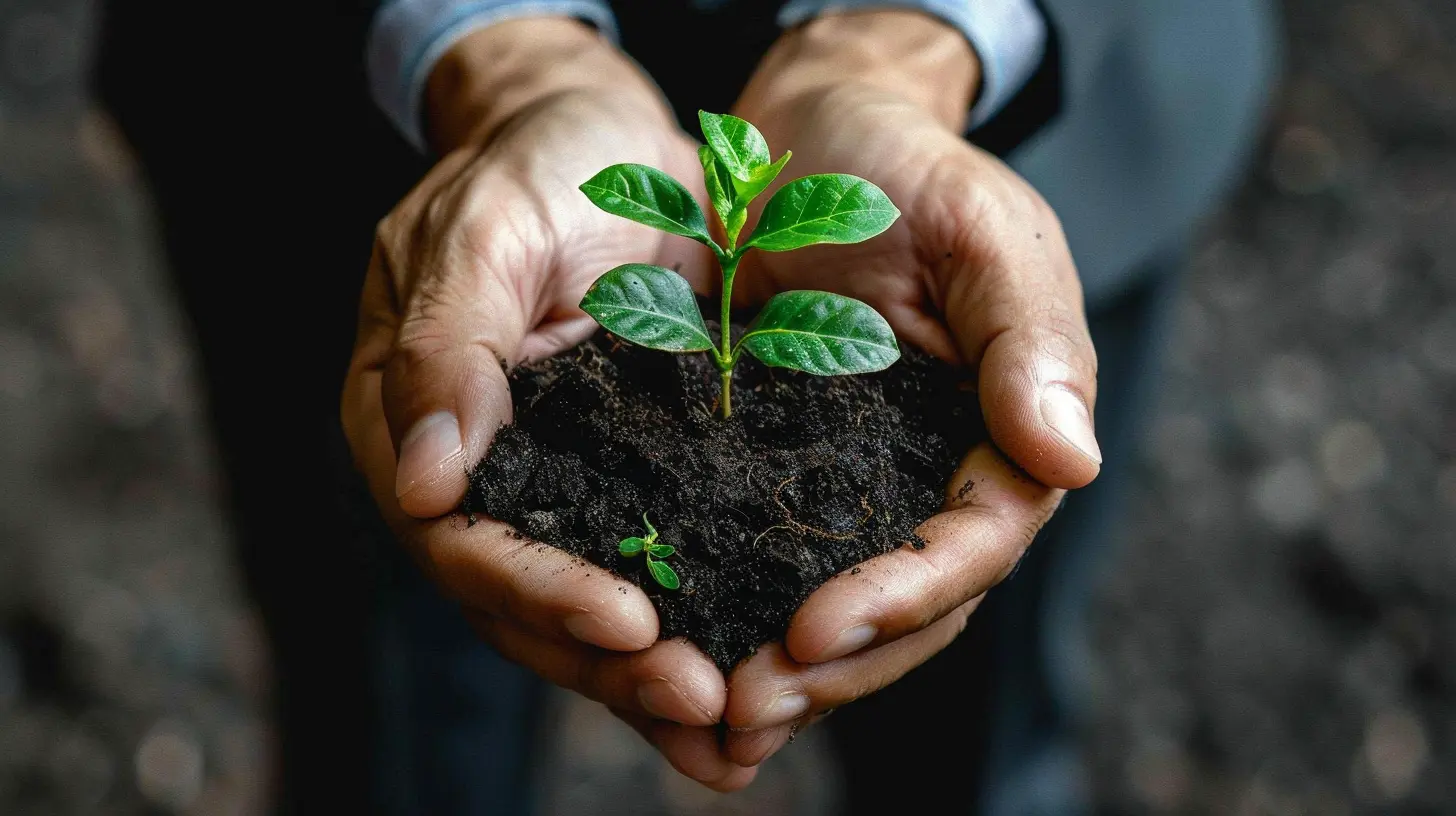
Why Sustainability Matters in Franchising
Let’s start with the basics. Why should you, as a franchise business owner, care about sustainability?1. Customers Care—Big Time
People are more informed than ever. They’re reading labels, researching brands, and choosing businesses that align with their values. In fact, a growing percentage of people are willing to pay more for products and services from environmentally responsible companies. If your franchise model doesn’t prioritize sustainability, you could be leaving money—and loyalty—on the table.2. It Saves Money (Yep, You Read That Right)
Going green isn’t all about spending extra cash on organic materials or solar panels. In the long run, sustainable practices often cut costs. Think energy efficiency, waste reduction, and smart supply chain choices. When done right, sustainability is a win-win.3. It Keeps You Ahead of Regulations
Let’s be honest. Government regulations on sustainability are tightening every year. By being proactive, you can stay ahead of the curve—and avoid costly fines or last-minute system overhauls.4. It Attracts Talent
People want to work for companies that stand for something. If you’re trying to build a strong team, showing your commitment to sustainability can give you a major edge in hiring.
Key Sustainable Practices for Franchise Businesses
Now that we’ve covered the why, let’s talk about the how. These aren’t just lofty ideals. They’re real-world, actionable steps you can take starting today.1. Build Sustainability Into the Franchise Model
Here’s something most franchisors overlook: sustainability should be baked into the foundation of the franchise model—not just tacked on as an afterthought.Include Green Practices in Your Franchise Agreement
This can mean offering guidelines (or even requirements) for:- Energy-efficient appliances
- Using recycled or compostable packaging
- Waste management processes
- Water conservation methods
- Sustainable sourcing of products or ingredients
By locking this into your agreements, you're creating a consistent, scalable foundation across all locations.
Provide Training and Resources
Make it easy for franchisees to follow sustainable guidelines. Offer:- Eco-training modules
- Supplier directories with vetted sustainable vendors
- Regular sustainability audits
Remember, knowledge is power—and sharing it empowers everyone.
2. Choose Energy-Efficient Equipment
This one’s a no-brainer but often gets overlooked.Use LED Lighting
Switching to LED lighting can dramatically reduce wattage and lower your energy bills.Upgrade to Smart Thermostats
They learn patterns and adjust temperatures automatically to save energy—especially handy if your business runs on a fixed schedule.Invest in Energy Star Certified Appliances
Whether it’s a fridge in a quick-service restaurant or a printer in an office-based franchise, energy-efficient equipment adds up to big savings.3. Focus on Waste Reduction
Waste is the silent killer of sustainability. It sneaks in, multiplies, and costs you more than you think.Go Paperless (As Much As You Can)
Digital receipts, cloud-based POS systems, and email communications cut down on unnecessary paper waste—and they’re easier to manage.Sort and Recycle
Set up proper recycling stations in your stores. Train your team (and maybe even your customers) to sort waste the right way.Offer Incentives for Eco-Friendly Customers
Think discounts for bringing reusable cups, containers, or bags. People love feeling like they’re making a difference—and even more when they’re rewarded for it.4. Source Locally (Whenever Possible)
Local sourcing doesn’t just reduce carbon footprints—it also supports other small businesses in your community. Win-win?Work With Local Farmers or Suppliers
For food-based franchises, partnering with nearby farms or food producers can dramatically cut down on transportation emissions—and usually, the quality is better too.Highlight Your Local Partners
Don’t be shy. Let your customers know you’re committed to the community and sustainability by promoting your local supply chain.5. Implement Eco-Friendly Packaging
We’ve all unwrapped something and thought, “Really? Is all this packaging necessary?” Don’t be that brand.Use Compostable or Recyclable Materials
Switch to sustainable packaging materials like:- Kraft paper
- Bioplastics
- Corrugated cardboard
- Compostable takeout containers
Bonus points if it’s branded and still looks sleek.
Reduce Packaging Altogether
Sometimes, the most sustainable choice is to use less. Evaluate how much packaging you actually need. Simplify wherever possible.6. Design Eco-Friendly Store Layouts
The physical space of your franchise matters. You don’t need to build from scratch—small changes can make a huge impact.Use Recycled or Sustainable Materials for Interiors
Think bamboo flooring, reclaimed wood furniture, and low-VOC (volatile organic compounds) paints.Maximize Natural Light
Good for the planet, and better for your customers' moods. Skylights, large windows, and open layouts improve ambiance and reduce lighting needs.7. Encourage Eco-Friendly Commuting
How your team and customers get to your location can be part of your eco strategy too.Provide Bicycle Racks and EV Charging Stations
Make it easier—and more attractive—for people to ditch fuel-guzzling cars.Offer Remote Work Options (If Applicable)
Not every franchise allows it, but if your business does, even partial remote work setups can significantly reduce emissions.8. Go Digital With Marketing
Flyers and posters are yesterday’s news. Save trees and hit your target more efficiently by going digital.Use Email Campaigns and Social Media
They’re more measurable, more targeted, and way friendlier to the environment.Launch a Green Blog or Newsletter
Share your sustainability practices, community efforts, and eco-friendly tips. It builds trust and encourages customer loyalty.9. Measure and Report Your Impact
Don’t just talk the talk—walk the walk.Track Key Sustainability Metrics
Set targets for reducing energy, waste, and water consumption. Tools like sustainability dashboards can help you monitor them in real time.Share Progress Publicly
Post annual sustainability reports on your website or social media. Transparency builds credibility and shows your community that you're serious about making a difference.10. Lead By Example
Whether you’re a franchisor or franchisee, leadership matters. Be vocal about your eco-efforts. Encourage your team, celebrate wins, and don't be afraid to admit where you're still learning.Small actions often ripple into big change. When your team sees your commitment, they’re more likely to follow suit.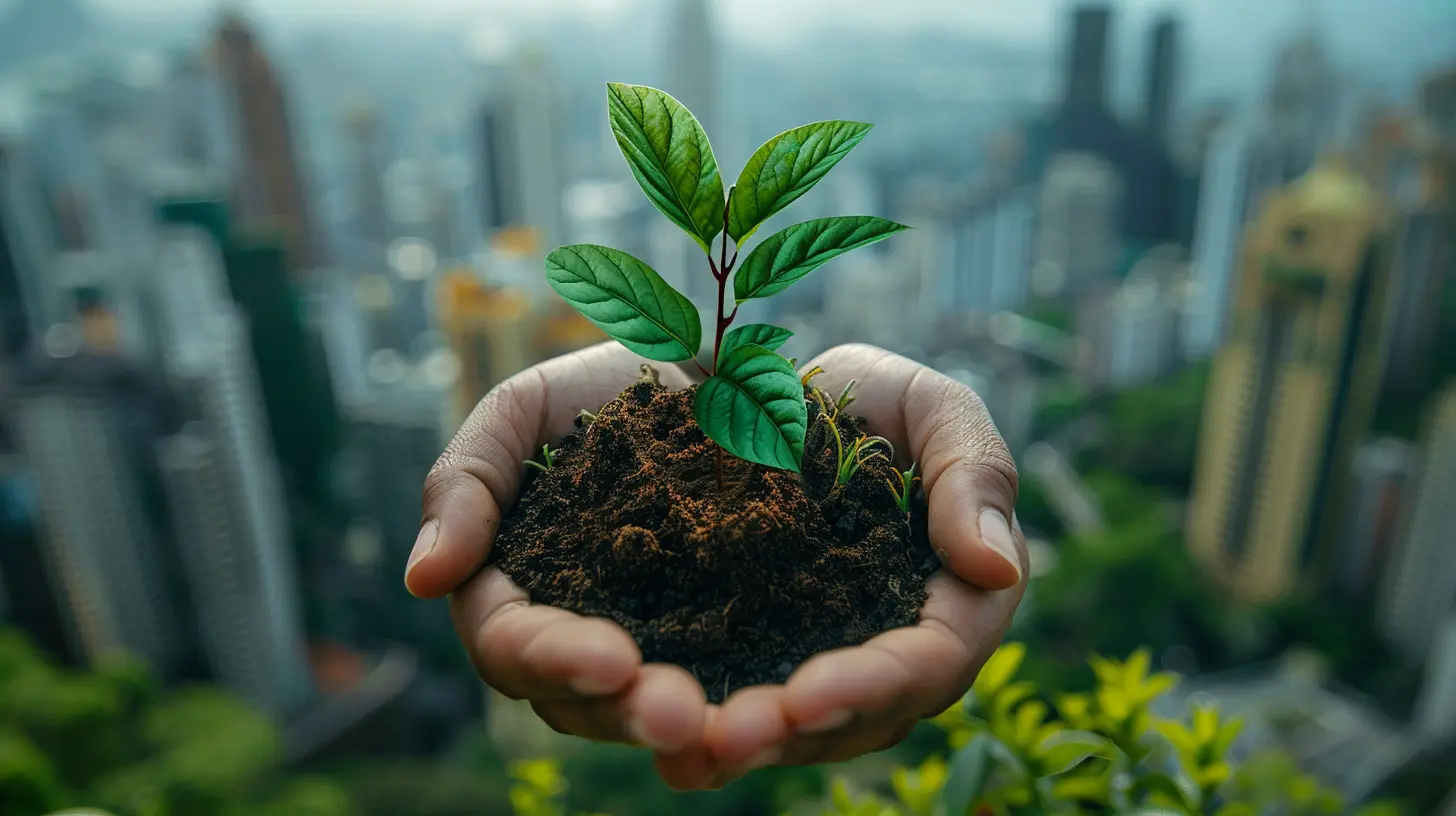
Case Study: How One Franchise Went Green and Grew
Let’s talk about real results.Take the example of a popular coffee franchise (we won’t name-drop, but you know who they are). They decided to go green by:
- Sourcing 90% of their coffee from ethically certified farms
- Using compostable cups and lids
- Implementing a widespread recycling program
- Encouraging reusable mugs through a discount system
The result? Not only did they reduce their carbon footprint significantly, but they also saw a measurable increase in customer loyalty and sales.
Why? Because people appreciate businesses that care.
Final Thoughts: Sustainability Isn’t Optional Anymore
Sustainability isn't just a buzzword or a “nice-to-have.” It’s a necessity—ethically, economically, and competitively. For franchise businesses in particular, the opportunity to lead the charge is massive.You have the power to create change not just in a single store but across hundreds, even thousands, of locations. That’s a lot of impact.
So if you’re thinking about starting—or improving—your sustainable franchise journey, the best time to start was yesterday. The next best time? Right now.
Let’s build businesses that future generations will be proud of.
all images in this post were generated using AI tools
Category:
FranchisingAuthor:

Rosa Gilbert
Discussion
rate this article
1 comments
Solara Flores
Implementing sustainable practices can enhance brand reputation and attract eco-conscious customers.
June 11, 2026 at 4:50 AM