Shifting Dynamics in the Global Automotive Industry
1 January 2026
The global automotive industry is in the midst of a massive transformation. What once was a conventional, combustion-engine-driven sector is now embracing electric vehicles (EVs), autonomous technology, and sustainable manufacturing practices. But this shift isn’t just about new car models—it’s about the entire ecosystem evolving at an unprecedented speed.
So, what’s driving these changes? And more importantly, how will they shape the future of the automotive industry? Buckle up—we're about to take a deep dive into the shifting dynamics of the global auto sector.
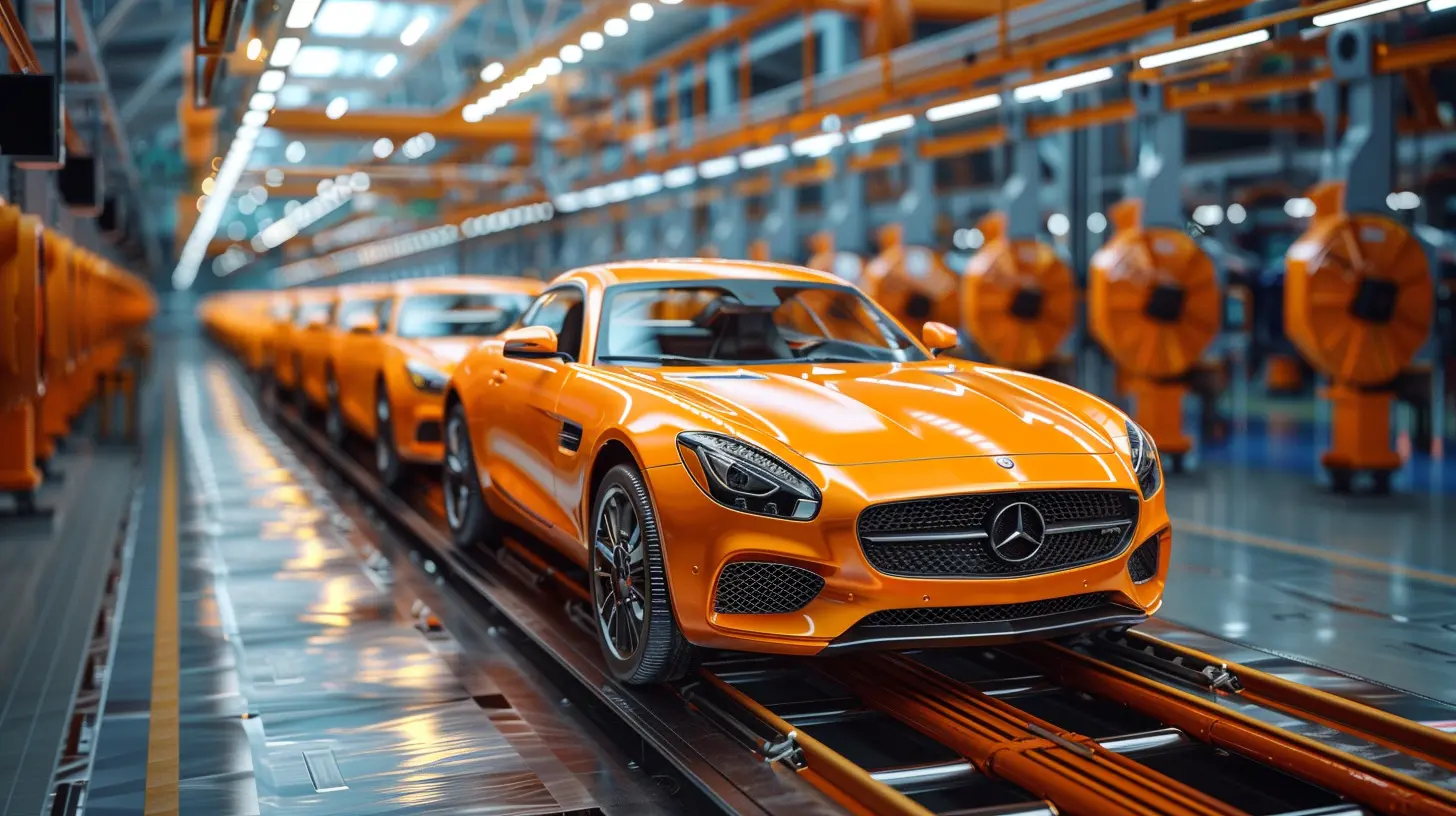
The Rise of Electric Vehicles (EVs)
From Gas Guzzlers to Green Machines
Ten years ago, electric cars were considered a niche market. Today, they’re at the forefront of a global revolution. Governments worldwide are setting aggressive targets to phase out gasoline-powered vehicles, while leading manufacturers are investing billions into EV development.Why the sudden shift? Three words: climate change concerns. With rising pollution levels and stricter regulations, automakers have no choice but to rethink their strategies. Countries like the UK and Norway have already set deadlines to ban new petrol and diesel car sales, making EVs the inevitable future.
Battery Technology: The Game Changer
A major hurdle for EV adoption has always been battery life and charging infrastructure. However, recent advancements in lithium-ion battery technology are making EVs more viable than ever. Companies like Tesla, CATL, and Panasonic are pushing the boundaries of battery efficiency, reducing charging times, and increasing range—making it easier for consumers to make the switch.Let’s not forget about solid-state batteries, which could be the next big breakthrough. These batteries promise longer life spans, shorter charging times, and better safety—potentially making traditional lithium-ion batteries obsolete in the near future.
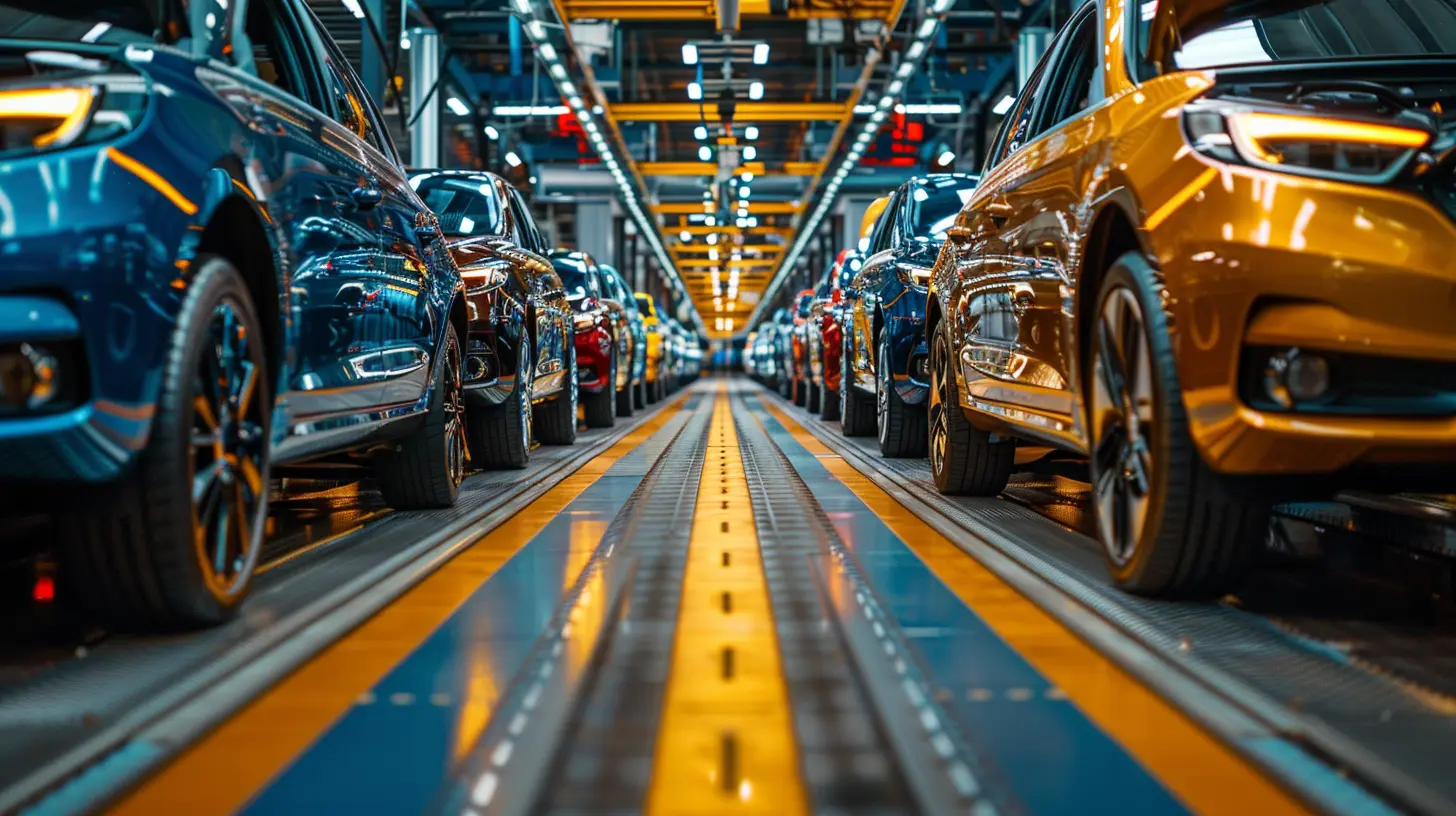
Autonomous and Connected Vehicles
Self-Driving Cars: The Future or Just a Dream?
We’ve all heard about autonomous vehicles (AVs), but how close are we really to seeing them on the streets? Truth be told, fully autonomous cars are still in the testing phase. While companies like Waymo, Tesla, and Uber are making significant strides, there are still legal, ethical, and technological challenges to overcome.The biggest obstacle? Regulations. Governments need to create new policies that ensure self-driving cars are safe for the roads. Until then, we’re likely to see a gradual rollout of advanced driver-assistance systems (ADAS) rather than fully autonomous vehicles.
Vehicle Connectivity: The Internet on Wheels
Modern cars are becoming smarter—think of them as smartphones on wheels. The incorporation of 5G and cloud computing is enabling real-time communication between vehicles, infrastructure, and traffic management systems.Imagine this: Your car could receive live traffic updates, automatically reroute to avoid congestion, or even communicate with nearby vehicles to prevent accidents. That’s not science fiction—it’s already happening with connected car technology.

The Role of Artificial Intelligence and Big Data
AI isn’t just changing how cars are driven—it’s also reshaping how they’re built and sold. Automakers are using AI-powered analytics to predict consumer preferences, optimize production lines, and even detect vehicle malfunctions before they occur.Big data is another major player. Every modern car generates vast amounts of data, from GPS tracking to driver behavior analysis. Companies use this data to enhance safety, improve fuel efficiency, and develop better in-car experiences.
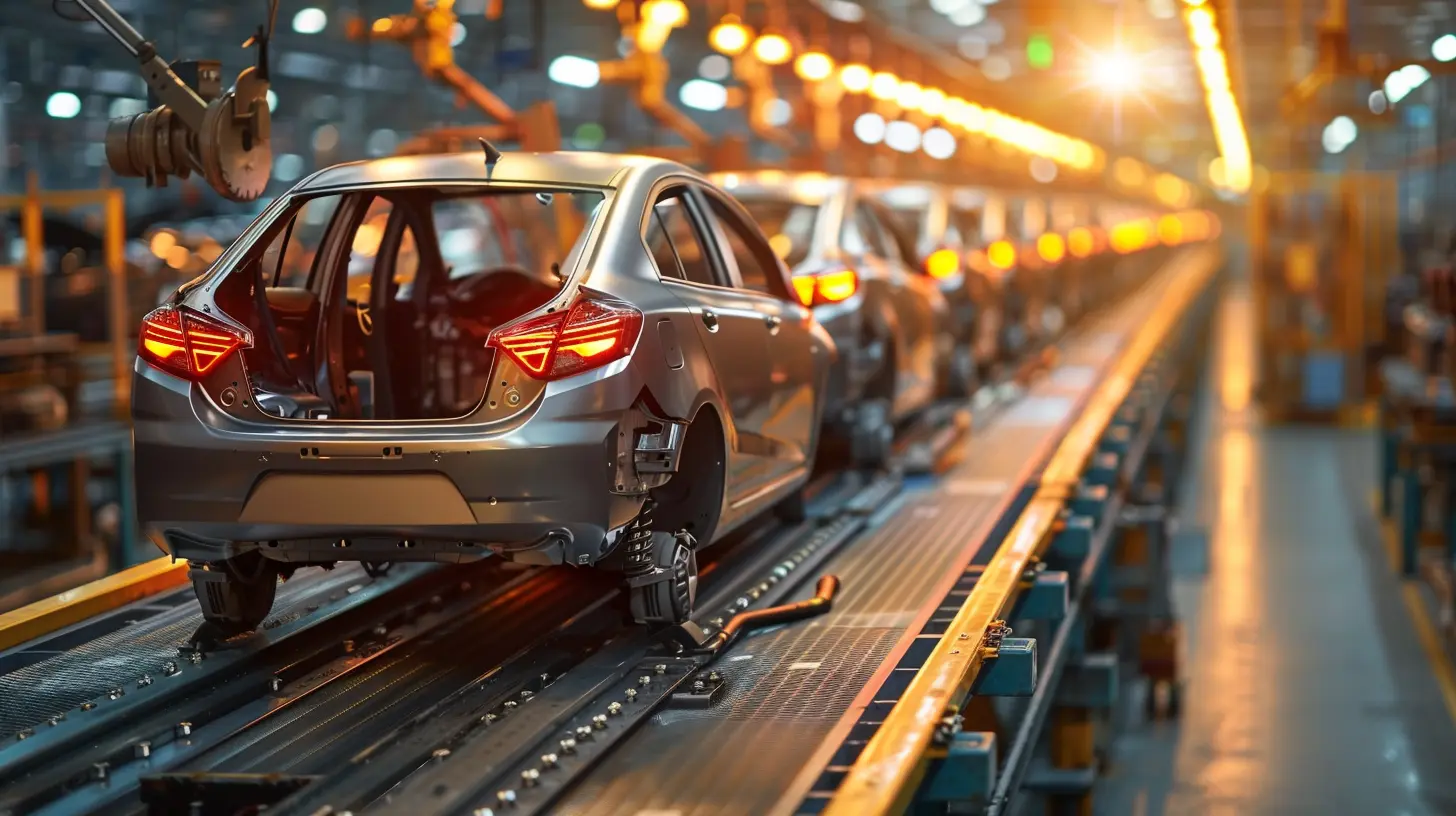
The Shift in Consumer Preferences
Shared Mobility Over Car Ownership
Gone are the days when owning a car was a necessity. Thanks to the rise of ride-sharing services like Uber, Lyft, and Didi, many urban dwellers are ditching traditional car ownership in favor of mobility-as-a-service (MaaS).Car subscription services are also gaining traction, offering flexibility without the long-term commitment of buying or leasing. This shift is forcing automakers to rethink their business models and explore new revenue streams.
Sustainability is No Longer Optional
Consumers today are more environmentally conscious than ever before. They want sustainable, energy-efficient, and ethically sourced products—including their vehicles. This is pushing automakers to adopt greener manufacturing processes, such as using recycled materials, reducing carbon footprints, and implementing circular economy practices.The Impact of Global Supply Chain Disruptions
COVID-19, Chip Shortages, and Logistics Nightmares
The pandemic exposed the vulnerabilities of the global automotive supply chain. From semiconductor shortages to shipping delays, automakers have been struggling to keep up with demand.The chip shortage alone forced companies like Ford and General Motors to halt production on some models, leading to massive revenue losses. With supply chain disruptions showing no signs of slowing down, manufacturers are now looking for ways to build more resilient and localized production networks.
The Role of Emerging Markets
China: The Unstoppable Automotive Giant
China is no longer just the world’s largest car market; it’s also a major innovator. With strong government support for EVs, Chinese automakers like Nio, BYD, and XPeng are competing head-to-head with Western giants.The country’s dominance in battery production gives it a significant advantage in the global EV race. As a result, Western automakers are scrambling to either partner with Chinese firms or establish their own battery manufacturing plants to remain competitive.
India and Southeast Asia: The Next Growth Hubs
While China leads in EVs, India and Southeast Asia are emerging as key markets for affordable mobility solutions. Low-cost electric two-wheelers and compact urban cars are in high demand, creating opportunities for both local and global players.Final Thoughts
The global automotive industry is undergoing a tectonic shift. With the rise of EVs, autonomous technology, AI-driven advancements, and changing consumer behaviors, automakers must adapt—or risk being left in the dust.One thing’s for sure: The coming decade will reshape everything we know about cars, mobility, and transportation. Fasten your seatbelts—the road ahead is going to be fascinating!
all images in this post were generated using AI tools
Category:
Economic TrendsAuthor:

Rosa Gilbert
Discussion
rate this article
2 comments
Luma Marks
The evolving landscape emphasizes sustainability, technology integration, and consumer preferences reshaping automotive strategies.
February 6, 2026 at 6:04 AM
Rosa Gilbert
Thank you for your insight! Indeed, these factors are crucial in driving the transformation of the automotive industry.
Jackson Palmer
The article effectively highlights the evolving trends in the global automotive industry, emphasizing innovation and sustainability as key drivers shaping the future of mobility. Great insights!
January 5, 2026 at 7:44 PM
Rosa Gilbert
Thank you for your feedback! I'm glad you found the insights on innovation and sustainability valuable.