Rising Debt Levels in Developing Nations: Implications for Global Growth
31 May 2026
Let’s talk about debt—but don’t worry, we’re not diving into your personal credit card statements. We’re zooming out to a global scale, where developing countries are racking up IOUs faster than someone at a Black Friday sale. But here’s the kicker: it’s not just their problem; it's everyone’s. When developing nations stumble under debt, the whole global economy gets a nasty case of the hiccups (with a side of indigestion).
So, grab your coffee, settle in, and let’s unravel what’s really going on with rising debt levels in developing nations—and why you should care even if your own bank account isn’t currently weeping.
What’s Going On? A Quick Look at the Debt Situation
Picture this: you’re trying to start a business. You've got dreams, talent, and grit—but you don't have the cash. So, what do you do? You take out a loan, right?That’s kind of what's happening with developing countries. They want to grow—build infrastructure, improve healthcare, educate the masses—but they need money to do it. And since printing dollars in your backyard is frowned upon (and illegal, by the way), they turn to borrowing.
In recent years, this borrowing has ballooned. According to data from various financial watchdogs (think IMF-style), public debt in low- and middle-income countries has reached levels not seen in decades. In 2023 alone, over 60% of low-income countries were either in debt distress or at high risk of it.
Yikes.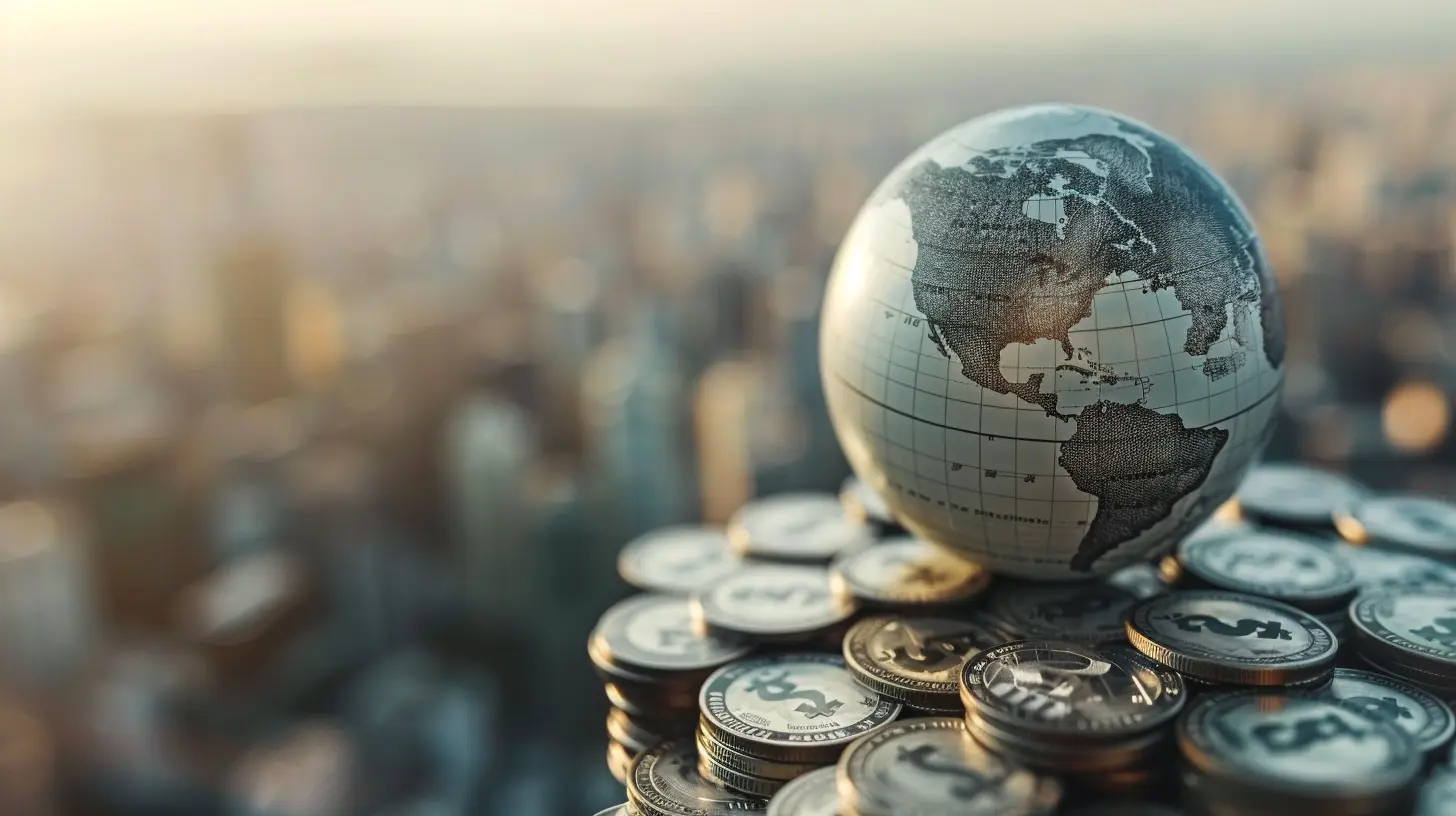
Why Are Developing Nations Borrowing So Much?
Let’s break it down with a few simple culprits:1. Global Shocks and Aftershocks
First, the COVID-19 pandemic slapped the world, and while stronger economies had safety nets, developing countries weren’t so lucky. They had to borrow to fund healthcare, stimulus programs, and economic support.Then came inflation, rising interest rates, climate disasters—you name it. Each new crisis adds pressure, and borrowing becomes a survival tactic.
2. Infrastructure Ambitions
Everyone wants better roads, hospitals, and internet—a.k.a. the good stuff. Governments in developing nations often borrow to fund these big-ticket improvements. While that’s not inherently bad, if the returns on investment are less than expected… well, it’s like maxing out your credit card for a fancy laptop that doesn’t boost your career.3. Weak Revenue Streams
Many developing nations struggle with collecting taxes (not for lack of trying, mind you). Low-income levels, informal economies, and weak tax systems make it tough to build reliable revenue. So when bills pile up, the debt fairy comes knocking.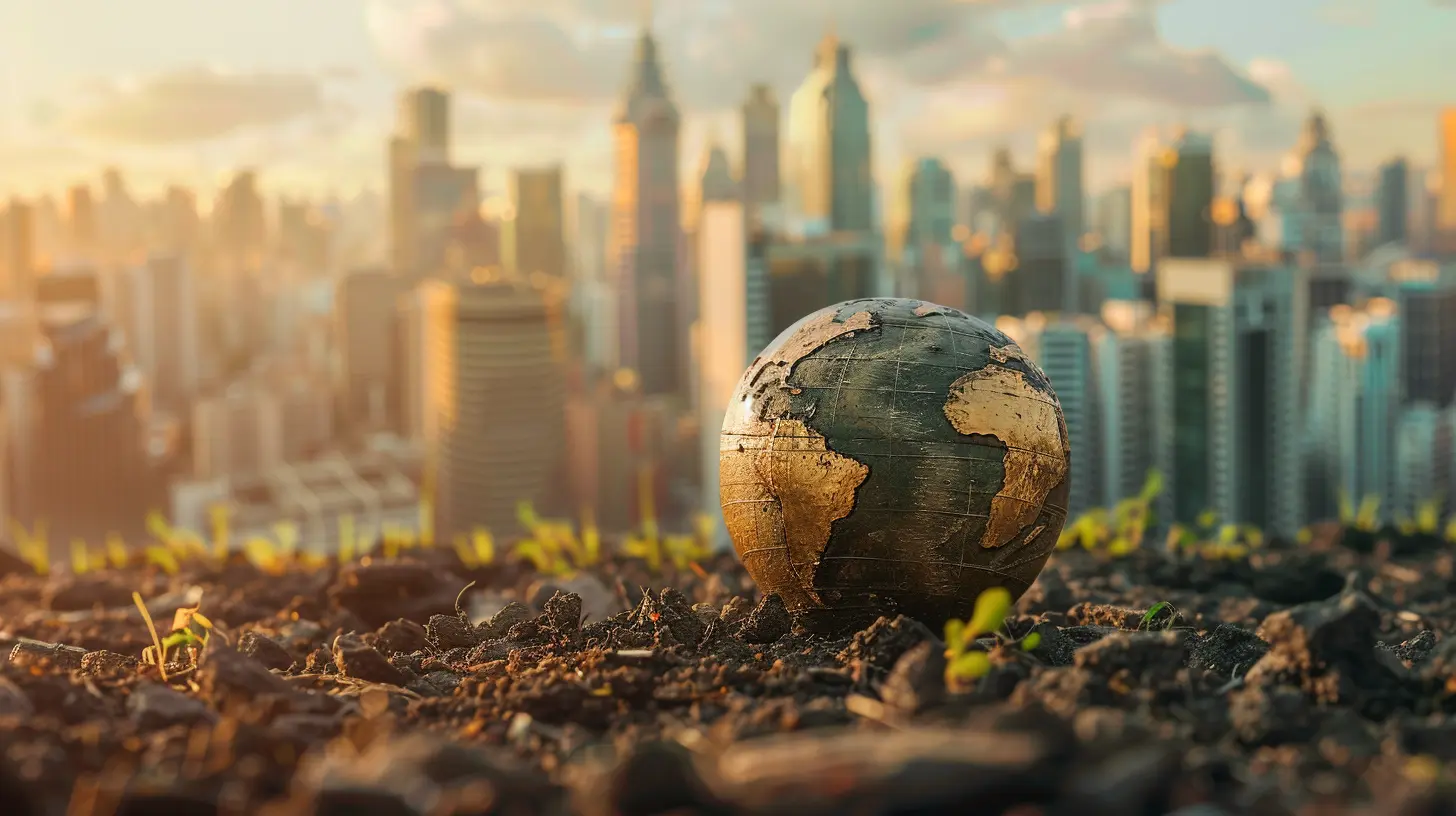
Who’s Lending All This Money?
Great question. Imagine a party where multiple people give you chips but expect payment in cake.- Multilateral lenders like the World Bank and IMF are the more responsible friends—they offer low-interest, long-term loans, often with strings attached (like policy reforms).
- Bilateral lenders include other countries (China is a big player here), which sometimes offer sweeter deals but with less transparency.
- Private creditors are the wild cards—think hedge funds and banks. Their loans often come with higher interest rates and a lot less patience.
When you borrow from all these sources without a solid repayment plan, it’s like juggling flaming swords blindfolded.
Why Should We All Care? (Yes, You Too)
Now, you might be thinking, “Cool story, but how does this impact me?” Glad you asked. Rising debt in developing nations doesn’t just stay in their backyard; it has ripple effects on the whole global economy.1. Global Growth Slows Down
Developing nations are major drivers of global growth. When their economies stall due to debt, the global economic engine sputters. Investors get jittery, supply chains suffer, and international trade takes a hit. Basically, everyone feels the cold when someone else catches a financial flu.2. Higher Risk of Financial Crises
Too much debt increases the risk of defaults, which spooks investors and raises borrowing costs—not just for one country, but sometimes for entire regions. This financial panic isn't contained like a bad TikTok trend; it spreads fast and far.3. Geopolitical Tensions Rise
Economic instability can spark political unrest, migration waves, and even conflict. Countries that can’t meet basic needs may become breeding grounds for instability. And instability has a nasty habit of not respecting borders.Are There Any Solutions? Or Are We Just Doomed?
The sky’s not falling—yet. But the solutions require a mix of good ol’ policy sense, international cooperation, and a sprinkle of long-term thinking.1. Debt Transparency and Management
First step: know how much you owe and to whom. Sounds basic, right? Yet many developing countries don’t fully disclose all their debts—especially those made with private lenders or under shady terms. Greater transparency can help prevent debt traps and allow for better planning.2. Sustainable Borrowing
Not all debt is evil. Borrowing to invest in growth—like education or renewable energy—can actually pay off in the long run, as long as the terms aren’t bananas. Countries need to prioritize "productive debt" over "panic debt".3. International Support
The global community (yes, that includes wealthy countries) needs to step up. Debt relief programs, technical support, and fairer trade policies can go a long way. Also, institutions like the IMF must modernize their playbooks to reflect today’s economic realities.4. Boosting Domestic Revenue
Developing nations need to strengthen their tax systems, clamp down on illicit financial flows, and grow their private sectors. More revenue = less borrowing = fewer headaches.The Private Sector’s Role: Villain or Hero?
Quick plot twist—the private sector isn’t always the bad guy. Businesses, especially in fintech and renewable energy, can help foster growth and reduce dependency on debt.But, let’s not pretend every player is wearing a halo. Private creditors need to be part of debt resolution talks too. When they insist on getting paid first, even if it means gutting a country’s budget, progress stalls. No one wins in a scorched-earth financial battle.
What’s Next? A Fork in the Road
We’re at a crossroads, folks. If developing nations can manage their debt wisely, they could unlock massive economic potential. That's good news for everyone—more trade, more innovation, more global growth.But if the current trends continue unchecked? Well, don’t be surprised if we see more defaults, more unrest, and less global stability. Which means even your favorite online store might start charging more for shipping.
Final Thoughts: It’s Complicated, But Not Hopeless
Debt itself isn’t the villain of this story. Like a credit card, it can be a useful tool or a path to ruin. The real issue is how that debt is used—and how it's managed.Developing nations are walking a financial tightrope, juggling urgent needs and long-term goals while dodging economic curveballs. The rest of the world? We’re in the audience, but we’re also connected by that same rope—whether we realize it or not.
So next time you hear about debt relief or IMF negotiations, don’t zone out. Pay attention. The global economy is a team sport, and we’re all players—whether we’re star strikers or just cheering from the sidelines.
all images in this post were generated using AI tools
Category:
Economic TrendsAuthor:

Rosa Gilbert
Discussion
rate this article
1 comments
Myles Ramirez
Looks like developing nations are putting on quite the debt show. Who knew borrowing could be so trendy? At this rate, global growth might need a financial therapist to sort out these issues... or at least a good joke!
June 4, 2026 at 11:39 AM
Rosa Gilbert
It's an interesting perspective. The rising debt levels are serious, but humor can help shine a light on the complexities. Let's hope for solutions that steer us toward stability.