How to Transition to Electric Fleets for Corporate Sustainability
3 January 2026
Take a deep breath. Can you feel it? That subtle shift in the wind? That’s the sound of change — a quiet revolution humming its way into our lives, driven not by fossil fuels, but by innovation, clean energy, and a need for us to do better. Welcome to the next chapter of your company’s journey: the switch to electric fleets.
Now, if you're reading this, odds are you're either a sustainability champion or a curious leader trying to steer your company toward a greener, cleaner future. Either way, you’ve come to the right place. Let's dive into "How to Transition to Electric Fleets for Corporate Sustainability" — a roadmap paved with insight, opportunity, and a bit of poetic optimism.

Why the Shift to Electric Fleets Matters
Let’s face it — the old ways are no longer serving us. Climate change is knocking louder every day. Governments are tightening emissions rules. Consumers are leaning into eco-conscious brands.Your corporate fleet, often overlooked, is actually a massive contributor to your carbon footprint. Swap those gas-guzzling vehicles for electric ones, and suddenly, you're not just reducing emissions — you're telling the world that your business walks the talk when it comes to sustainability.
Still wondering what the fuss is all about? Think of electric fleets as an investment — not just in vehicles, but in your brand’s longevity, image, and operational efficiency.
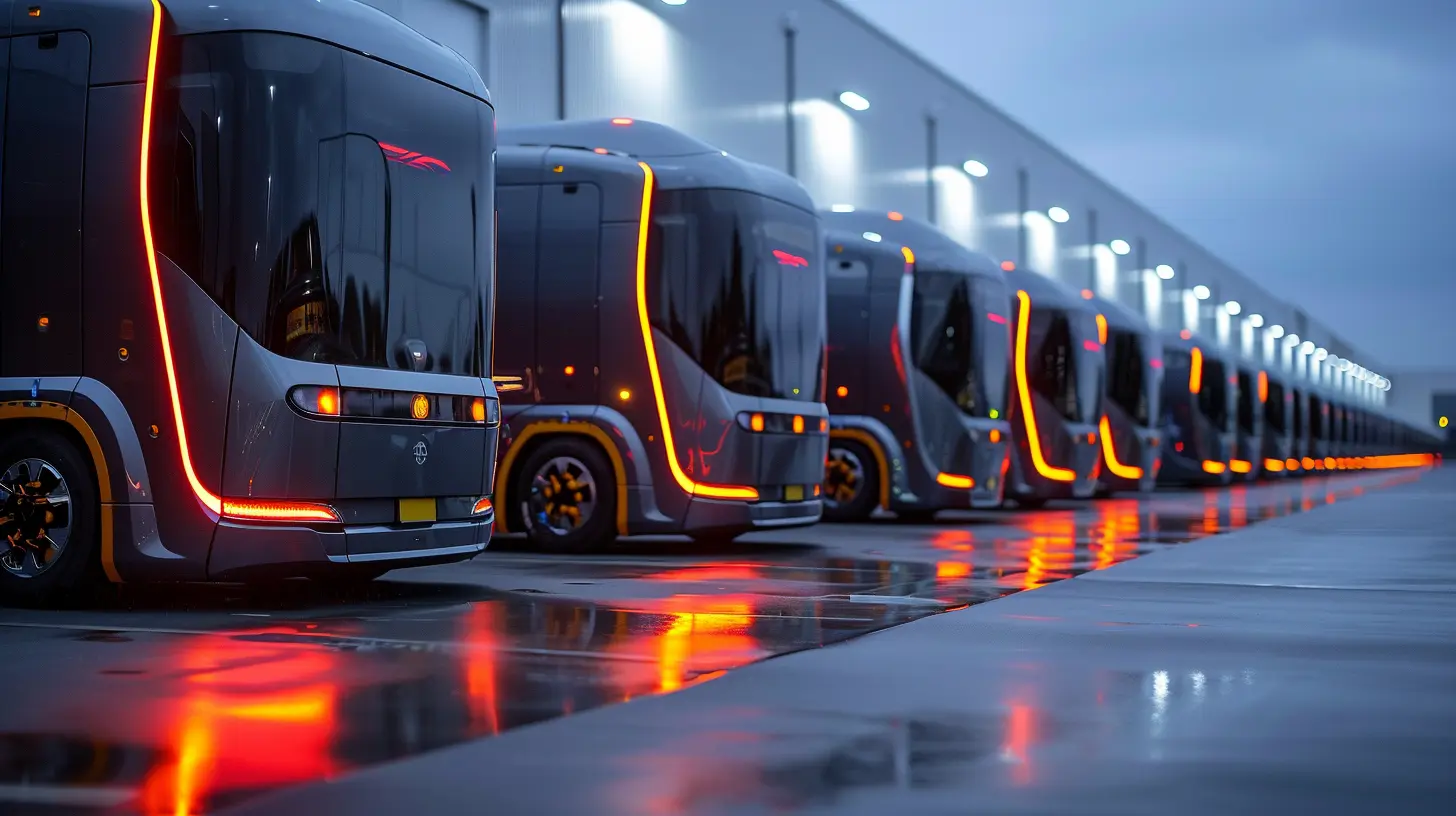
The Benefits of Going Electric: More Than Just Green
Before jumping into the “how,” let’s take a moment to talk about the “why.”🌎 Environmental Impact
EVs (Electric Vehicles) produce zero tailpipe emissions. That’s right — zip, nada, nothing. This means cleaner air, fewer pollutants, and a massive reduction in your carbon footprint.💸 Financial Savings
Yes, EVs come with a higher upfront cost. But over time, they’re like that trusty coffee machine in the office — paying for themselves quietly, cup after cup. Lower maintenance, fewer moving parts, and significantly lower fuel costs stack up to real savings.⚡ Energy Efficiency
Electric motors convert over 85% of electrical energy to motion, while internal combustion engines waste more than 60% of their fuel as heat. That’s like turning on your heater and only warming your toes while your energy bill skyrockets.📈 Brand Value
Customers care. Investors care. Employees care. Showing movement toward sustainability enhances your brand image, attracts top talent, and builds trust. It’s PR gold with a green tint.
Step 1: Assess Your Fleet and Set Clear Goals
Alright, let’s roll up our sleeves. Transitioning to electric isn’t about switching vehicles overnight like you’re flipping a light switch—it’s a process, a journey. Step one? Know where you stand.🔍 Conduct a Fleet Audit
Start by getting intimate with your current fleet. Ask questions like:- How many vehicles do we have?
- What’s their age, mileage, and fuel consumption?
- What routes do they cover?
This baseline data will tell you which vehicles are prime candidates for replacement.
🎯 Define Your Goals
Set SMART (Specific, Measurable, Achievable, Relevant, Time-bound) goals. Want to transition 50% of your fleet in two years? Great. Want to achieve zero-emissions transport by 2030? Even better.Without goals, even the best engine won’t take you anywhere.
Step 2: Understand the Right Vehicles for the Job
Electric vehicles aren’t one-size-fits-all. You wouldn’t wear hiking boots to a ballroom dance, right? Same rule applies here.🚗 Choose the Right Models
Start by evaluating:- Driving range: Will the EV meet your daily mileage needs?
- Charging time: How fast does it juice up?
- Load capacity: Can it handle your cargo?
- Terrain: Is it city cruising or rugged countryside delivery?
Consider use-specific EVs:
- Light-duty cars for sales teams
- Medium-duty vans for small deliveries
- Heavy-duty trucks for logistics
🔄 Consider Hybrids as a Transition Tool
Range anxiety is real. If you're not quite ready for full EVs, plug-in hybrids can be a good stepping stone — a mix of electric and gas that offers flexibility.Step 3: Build your Charging Infrastructure
Big shout-out to the unsung hero of the EV revolution: the charging station. Without the right setup, even the best electric fleets are just fancy paperweights.🏗️ Start with On-Site Chargers
Install Level 2 chargers at your depots or offices. These offer a good balance between speed and cost.- Standard home-style 120V (Level 1): Slow, suitable for emergency use.
- Faster 240V (Level 2): Ideal for overnight fleet charging.
- DC Fast Chargers: Useful for quick top-ups during the day.
⚡ Consider Fleet Management Software
Smart charging systems let you:- Schedule charging during off-peak hours
- Monitor energy usage
- Prevent overloading your electrical grid
It’s like having a brain behind every plug.
Step 4: Financial Planning – Because Money Matters
Transitioning to EVs is kind to the planet, but let's be honest — it needs to work on the spreadsheets too.💰 Calculate Total Cost of Ownership (TCO)
EVs might cost more upfront, but the TCO often paints a rosier picture. Consider:- Fuel savings
- Lower maintenance (no oil changes, fewer filters, etc.)
- Tax credits and grants
🏛️ Tap into Incentives
Governments are backing clean fleets with serious funding. Look into:- Federal tax credits
- State or local grants
- Utility company rebates
That’s free money sitting on the sidewalk. Pick it up!
Step 5: Train Your Team and Get Buy-in
A team that doesn’t understand your why won’t care about your how.👋 Start with Awareness
Host workshops. Share insights. Let your drivers, admins, and even the C-suite understand what’s changing and why it matters.🧠 Provide Hands-On Training
Driving an EV is a slightly different experience. Regenerative braking, charge planning, and battery management need familiarity. Train your team to drive and maintain the new fleet properly.💬 Foster Feedback Culture
Involve your team. Encourage feedback. Let them become co-pilots on this journey. People support what they help create.Step 6: Monitor, Optimize, and Scale
Transitioning is only the beginning. Now, it's time to fine-tune.📊 Track Key Metrics
Use software and telematics to track:- Vehicle performance
- Energy efficiency
- Downtime and maintenance
- Charging behavior
🔄 Constantly Iterate
Look for patterns. Maybe one route drains battery too fast — swap the vehicle. Maybe some drivers need re-training. The data will whisper truths if you’re willing to listen.📈 Expand Gradually
Once your pilot phase shows success, gradually expand. Replace end-of-life vehicles with EVs. Scale charging infrastructure smartly.Step 7: Communicate Your Journey
Don’t be shy. You’re doing something amazing — tell people!📣 Share Internally and Externally
Use your blog, newsletters, social media, and PR to highlight milestones:- “50% of Our Fleet is Now Electric!”
- “100,000 Miles Without Emissions!”
It’s not bragging — it’s storytelling, and people love a good story.
🧩 Align with ESG and CSR Messaging
Integrate your EV transition into your Environmental, Social, and Governance (ESG) and Corporate Social Responsibility (CSR) efforts. It shows alignment, planning, and genuine commitment.Common Challenges and How to Overcome Them
Of course, no journey is without its bumps. Here's how to navigate common speed bumps without hitting the brakes.❓“What About Range Anxiety?”
Solution: Plan routes smartly, provide charging maps, and mix in hybrid EVs where needed.🧾 “The Upfront Cost is Too High.”
Solution: Use financing models, leasing, and tap into incentives to ease the burden.🕒 “Installation Will Take Time”
Solution: Start with mobile charging options and gradually build infrastructure as your needs grow.The Road Ahead: A Greener, Brighter Future
Picture this: Your company humming along efficiently, your vehicles gliding silently from point A to B, emitting nothing but progress. You’re saving money, impressing stakeholders, making employees proud, and most importantly — being part of the solution.Going electric isn’t just a shift in equipment; it’s a shift in mindset. It’s a promise to future generations that we tried — and tried hard — to course-correct.
So, are you ready to take the wheel?
Final Thoughts
Transitioning to electric fleets isn’t just a business decision — it’s a declaration. A bold “yes” to innovation, to responsibility, and to hope. The journey may not be perfect, but the destination is worth it.Even Rome wasn’t powered in a day. Start small, dream big, and keep driving forward.
all images in this post were generated using AI tools
Category:
SustainabilityAuthor:

Rosa Gilbert
Discussion
rate this article
2 comments
Lira Martin
Embracing electric fleets not only drives corporate sustainability but also paves the way for a greener future. Let's lead the charge towards innovation and environmental responsibility together!
February 8, 2026 at 4:43 AM
Rosa Gilbert
Thank you! Embracing electric fleets is indeed a crucial step towards sustainability and innovation. Together, we can drive meaningful change for a greener future!
Claire McGinn
Transitioning to electric fleets isn’t just an option; it’s a necessity. Embrace the future now or get left behind. Sustainability isn’t a trend—it's a responsibility. The time for half-measures is over; commit fully to electrification and lead the change for a greener tomorrow.
January 21, 2026 at 2:02 PM
Rosa Gilbert
Absolutely agree! Embracing electric fleets is crucial for sustainable corporate practices. It’s time to fully commit and lead the way toward a greener future.