How Social Sustainability Can Drive Business Transformation
13 January 2026
You’ve probably heard the buzzword “sustainability” thrown around in almost every business article or LinkedIn post these days. But let’s zoom in on a powerful yet often overlooked aspect—social sustainability. It’s not just about being a “feel-good” company; it’s about building real connections with people, empowering communities, creating fair workspaces, and, yes, transforming the way your business runs.
In this post, we’re diving deep into how social sustainability can reshuffle your business strategies, accelerate growth, and set you apart from the competition. We’ll break it down, human-style—no fluff, no jargon storms. Just real talk.
What is Social Sustainability, Really?
Let’s not over-complicate it. Social sustainability is all about people—how your business impacts employees, customers, suppliers, and the local communities around you. It’s about being fair, inclusive, and ethical. It focuses on human rights, labor practices, health and wellbeing, education, equity, and cultural diversity.Think of a company like a tree. Environmental sustainability is like the soil and air it needs to grow. Economic sustainability is the nutrients that keep it alive. But social sustainability? That’s the sunlight—it’s what inspires and energizes people to work together and grow.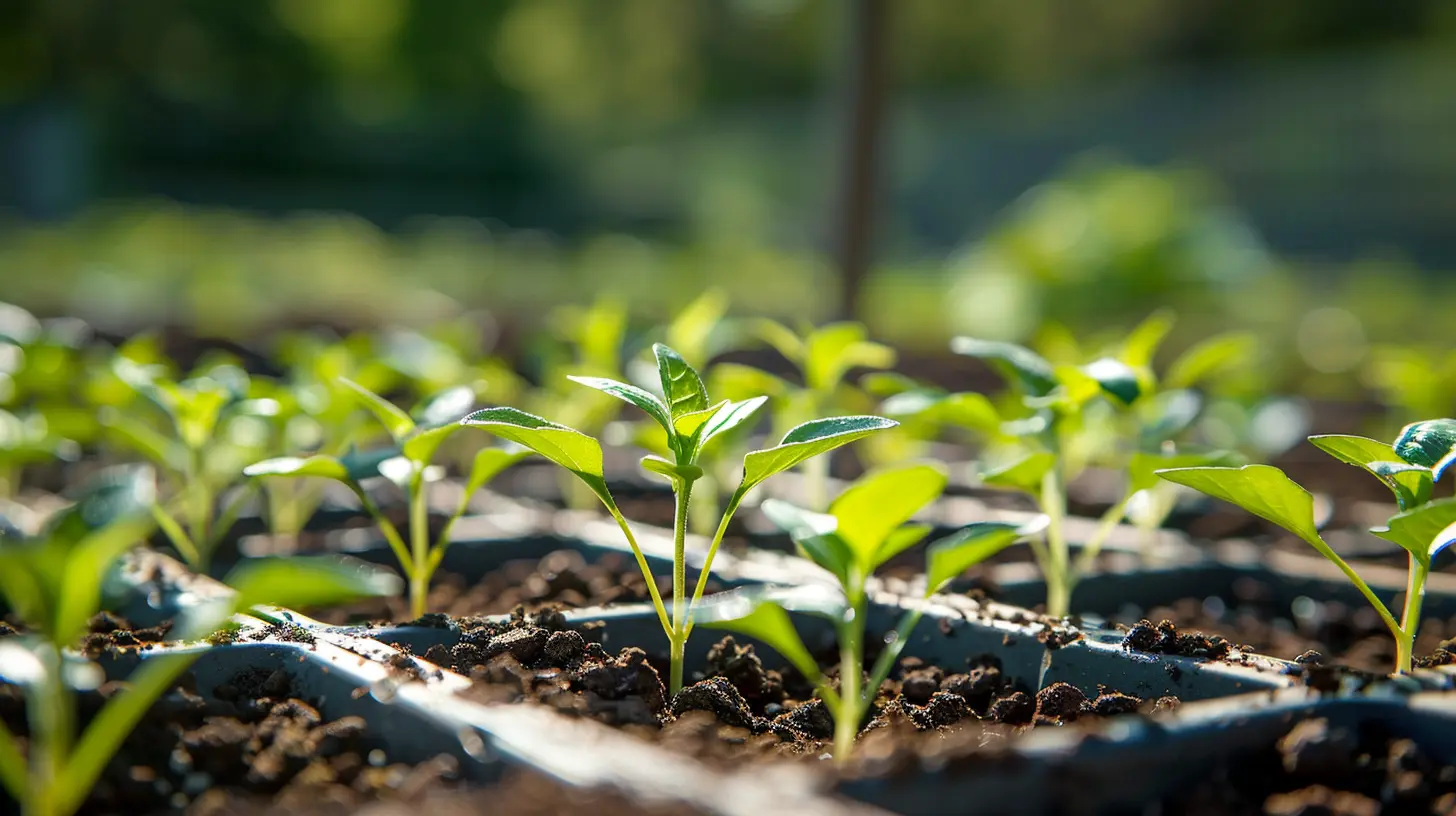
Why Most Businesses Miss the Mark
Here’s the kicker: many companies push social sustainability to the back burner. It’s not because they don’t care—it's usually because they're trying to chase short-term profits and may not see the immediate ROI. But the mindset is slowly shifting. Modern consumers (younger ones especially) want to buy from brands that care. Employees want to work at places that mean something. Investors are watching too.So if you're still seeing social sustainability as a “nice-to-have,” it’s time for a reboot.
The Real Power of Social Sustainability
Alright, let’s dig into the juicy part—how this concept can transform your business. And we’re not talking minor tweaks here. We’re talking about reshaping your business engine so it runs smoother, longer, and stronger.1. Boosting Employee Satisfaction & Retention
Companies live or die by their people, right? High turnover drains time, money, and morale. Social sustainability puts people first—fair wages, mental health support, flexible work environments, inclusive policies. When employees feel valued and supported, they’re not just showing up—they’re showing up with heart.And happier employees stick around. Simple as that.
Real Talk:
Would you want to stay at a job where you're just a cog in the machine, or one where your voice actually matters? Exactly.2. Enhancing Brand Reputation
In the age of social media, reputation spreads fast. A single post about unethical labor or discrimination can go viral—and not in a good way. On the flip side, when your brand is known for doing the right thing, people notice.Transparency, caring about communities, giving back—these are not just PR tactics. They’re brand builders. They create loyal customers. And loyal customers? They spend more, stay longer, and even become brand ambassadors.
3. Unlocking Innovation Through Diversity
Let’s break it down: diversity isn’t just a buzzword—it drives creativity. When you bring together people from different backgrounds, cultures, and perspectives, something magical happens. Ideas flow differently. Innovation thrives.Socially sustainable businesses invest in diversity, not just for the headlines, but for real business growth. They understand that inclusive workplaces foster better decision-making and problem-solving.
4. Strengthening Community Relationships
Businesses are part of a much bigger ecosystem. By engaging with local communities—through volunteering, education, donations, or partnerships—you build trust and leave a meaningful footprint.This kind of grassroots involvement can generate customer loyalty, open new markets, and even smooth regulatory relationships. Basically, when you help your neighborhood thrive, your business thrives too.
Social Sustainability In Action: Real-World Examples
Let’s stop being theoretical and get into how this plays out in the real world.Patagonia: Purpose-Led Profits
Ever bought a Patagonia jacket? If so, you probably know they do more than just sell outdoor gear. They’ve built a brand rooted in environmental and social activism. Their employees are empowered, their supply chain is ethical, and they give 1% of their sales to environmental causes. That’s not just good karma—that’s smart business.Ben & Jerry’s: Scooping With a Social Mission
Yes, it’s ice cream—but it’s also activism. Ben & Jerry’s has been loud and proud about social issues from racial justice to refugee rights. Their business model includes fair trade ingredients and living wages. And guess what? They’re not just surviving—they're thriving.Steps to Embed Social Sustainability Into Your Business
Feeling inspired? Don’t worry, you don’t need to be a billion-dollar brand to make a difference. Here’s how you can start small and build big.1. Assess Your Impact
Start by asking: how does your business affect people—from employees to suppliers to local communities? Be honest. Run internal surveys. Listen actively.2. Create Inclusive Policies
Don't just check a box with a diversity statement. Create real systems that promote equity, from hiring practices to promotions. Offer flexibility. Celebrate differences.3. Engage With Your Community
Sponsor local events. Partner with nonprofits. Encourage employees to volunteer. These actions build bridges—not just buzz.4. Communicate Transparently
Own your wins and your flaws. Share your goals. Show progress. People appreciate honesty over perfection.5. Measure and Improve
Use metrics to track your social impact. Employee satisfaction, wage equity, retention, community investment—all of it matters. Measure what you want to improve.Challenges You Might Face (And How To Tackle Them)
Of course, it’s not always smooth sailing. Let’s talk about a few bumps along the way and how to handle them.Resistance to Change
People are creatures of habit. New initiatives might feel like "extra work" at first. The key? Get leadership buy-in. Explain the "why" behind the change.Budget Constraints
Think social sustainability is expensive? Think again. Many changes (like flexible work, fair hiring, or open communication) don’t cost a dime. And the long-term ROI? It’s priceless.Measuring Impact
It’s tricky to put numbers on things like culture or community impact. But that doesn’t mean it’s impossible. Use surveys, feedback tools, and social KPIs to guide your progress.The Long Game: Why It’s Worth It
Here’s the truth—social sustainability isn’t a one-and-done initiative. It’s a mindset shift. And while the results may not always show up on your next quarterly report, they’ll show up in your long-term success.When you invest in people, you create a ripple effect. More happy employees, more loyal customers, stronger partnerships, better risk management—all wrapped up into a future-ready business.
Social sustainability is not just the right thing to do. It’s the smart thing to do.
Final Thoughts
So, where do you stand? Is your business just surviving, or is it thriving with purpose? Now more than ever, it’s time to move beyond lip service and start weaving social sustainability into your company’s DNA.Because when people win, businesses win. And when businesses lead with purpose, the whole world wins too.
Ready to transform your business from the inside out? Start with the people. Start with social sustainability.
all images in this post were generated using AI tools
Category:
SustainabilityAuthor:

Rosa Gilbert
Discussion
rate this article
2 comments
Vaughn McDowell
Social sustainability isn’t just a trend; it’s the secret sauce for businesses craving transformation. If you think profits alone will keep you afloat, darling, you’re in for a wake-up call! Time to get with the program!
February 15, 2026 at 5:01 AM
Rosa Gilbert
Absolutely! Social sustainability is crucial for long-term success and transforming businesses. It's not just about profits; it's about creating value for all stakeholders.
Celeste Young
Social sustainability: a catalyst for transformative growth.
January 20, 2026 at 5:13 AM
Rosa Gilbert
Absolutely! Social sustainability not only fosters community well-being but also drives innovation and resilience, creating a strong foundation for transformative business growth.