How Immigration Policies Are Influencing Labor Markets
17 February 2026
Immigration policies play a massive role in shaping labor markets. From the availability of skilled workers to wage fluctuations, government decisions on immigration directly impact businesses, economies, and workers. But how exactly do these policies affect the job market? Let’s dive in. 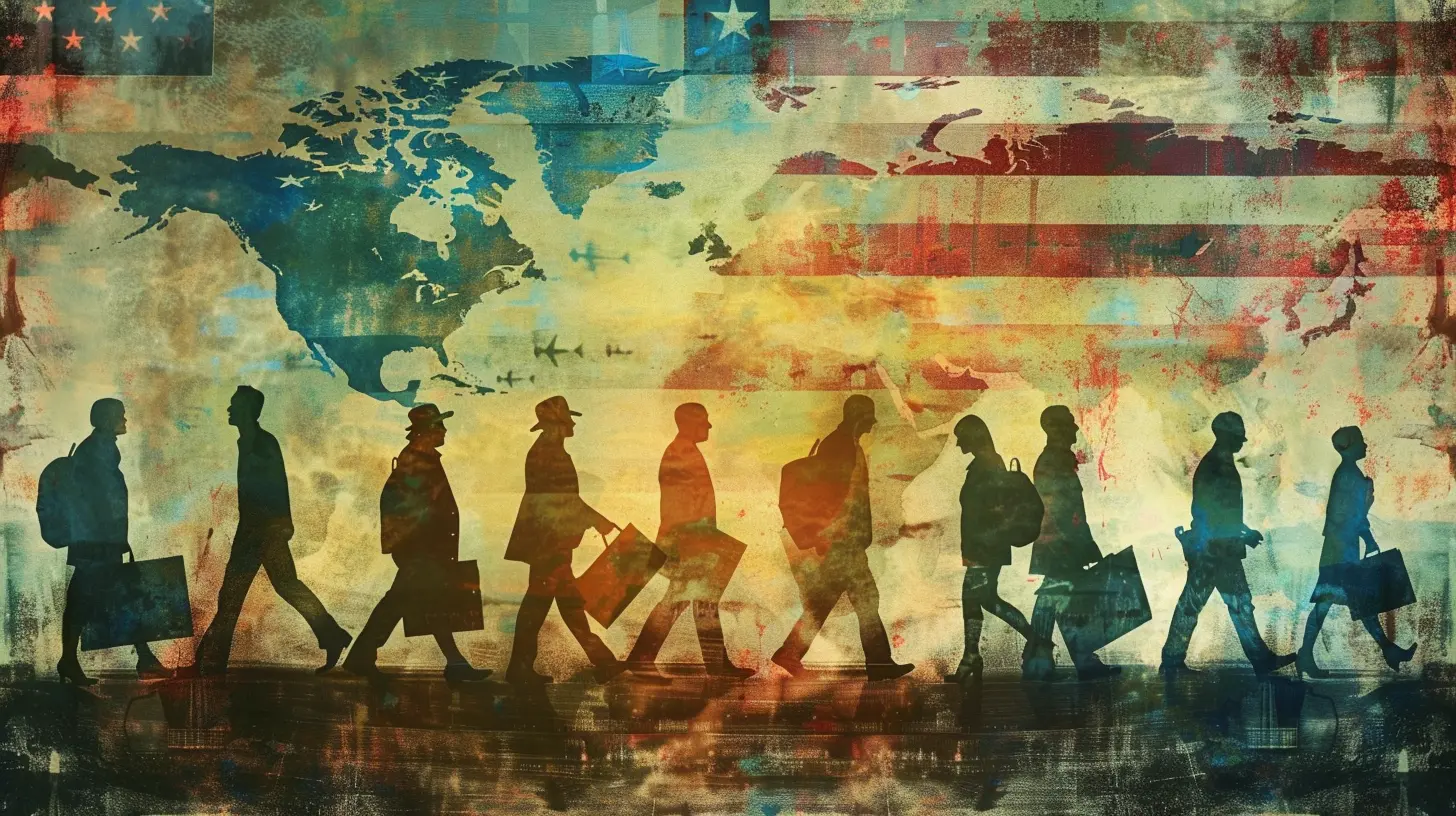
The Connection Between Immigration And Labor Markets
Immigration isn't just about people moving from one country to another; it's about skills, business opportunities, and economic growth. When governments tighten or loosen immigration laws, labor markets quickly feel the effects.Think of the job market like a giant puzzle. Every worker—whether local or foreign—fills a piece of that puzzle. When immigration policies change, some pieces may be removed or added, shifting the entire picture.
So, how do these policies play out in real life? 
1. Addressing Labor Shortages
Many industries rely heavily on immigrant workers to fill gaps in the workforce. Sectors like healthcare, agriculture, and construction often struggle to find enough domestic workers willing or qualified to take on these jobs.For example, in the U.S., stricter immigration laws have led to labor shortages in farming, with crops left unharvested due to a lack of workers. In contrast, countries with more flexible immigration policies, like Canada, actively recruit skilled professionals to meet labor demands.
When governments tighten immigration restrictions, employers face challenges filling positions, leading to slower production, higher costs, and sometimes business closures. 
2. Wage Impacts – Do Immigrants Drive Wages Up Or Down?
One of the biggest debates around immigration is its effect on wages. Some argue that an influx of foreign workers decreases wages because businesses have more options and can pay less. Others believe immigrants boost overall economic growth, which, in turn, raises wages.Here’s the reality: It depends.
- Low-skilled jobs – If there's an oversupply of workers (both native and immigrant) for the same low-skilled jobs, wages may drop. Employers don’t need to offer high salaries when there are plenty of people willing to work.
- High-skilled jobs – When skilled immigrants enter the workforce, they often drive innovation, leading to economic growth and raising wages over time. Tech industries, for example, have benefited massively from immigrant workers, creating jobs and increasing pay for everyone.
So, while immigration can push wages down in some cases, it can also boost economic productivity, benefiting the workforce in the long run. 
3. The Role Of Skilled vs. Unskilled Immigrants
Not all immigrants contribute to the labor market in the same way. Some bring highly specialized skills that businesses desperately need, while others take on jobs that locals often avoid.- Skilled immigrants – Policies that attract doctors, engineers, and IT experts help industries thrive. Countries like Germany and Australia have visa programs specifically designed to attract highly educated professionals.
- Unskilled immigrants – While they might not have advanced degrees, they often take on essential roles in agriculture, hospitality, or manufacturing—jobs that are crucial for the economy.
A balanced immigration policy ensures that both skilled and unskilled workers can contribute to economic growth without overwhelming the job market.
4. Business Growth & Entrepreneurship
Here’s something you might not expect—immigrants don’t just fill jobs, they create them. Many successful businesses worldwide were founded by immigrants or their descendants. Think of tech giants like Google, Tesla, or PayPal—each with strong immigrant roots.When immigration policies encourage skilled workers and entrepreneurs to enter the country, it spurs innovation. More businesses mean more jobs for both native and immigrant workers.
Countries that adopt strict immigration policies may miss out on these economic benefits. Limiting skilled foreigners not only affects businesses but also slows down job creation.
5. The Impact On Public Finances
Some people worry immigrants put a strain on public resources like healthcare, education, and welfare programs. While there are costs involved, the bigger picture shows immigrants contribute more than they take.According to multiple studies, immigrants contribute significantly to tax revenues. They work, pay taxes, and often don’t qualify for certain social benefits, meaning they put more into the system than they take out.
However, policies that prevent immigrants from working legally can backfire. If people are in the country but not allowed to work, they can't contribute through taxes, leading to financial burdens.
6. Political Influence On Immigration Policies
Immigration policies aren’t just about economics; they’re deeply tied to politics. Governments often shift immigration laws based on political agendas, public opinion, or economic conditions.For example:
- During economic downturns, governments may impose stricter immigration policies to "protect" local jobs.
- In times of economic growth, more open policies might be introduced to attract skilled labor.
Public sentiment also plays a role. If voters believe immigration negatively impacts the economy, politicians may push for restrictive policies—even if the data suggests otherwise.
7. Automation Vs. Immigration – The Future Of Work
With advancements in technology, some fear automation will replace jobs, making immigration policies less relevant. While it's true that robots are handling more tasks, industries still rely on human workers for creativity, problem-solving, and specialized skills.Rather than choosing between automation and immigration, the focus should be on training workers—both native and immigrant—to adapt to changing job demands.
Conclusion
Immigration policies shape labor markets in ways that affect everyone—from business owners and workers to consumers and governments. When policies are too restrictive, businesses struggle to find workers, wages stagnate, and economies slow down. When policies are too loose, concerns about job competition and resource allocation arise.The key lies in balance. Well-designed immigration policies can fuel economic growth, create jobs, and improve overall workforce productivity. By considering both short-term needs and long-term benefits, governments can craft policies that strengthen labor markets rather than destabilize them.
So, next time you hear debates about immigration, remember—it's not just about borders. It's about the jobs we do, the businesses we support, and the economy we build together.
all images in this post were generated using AI tools
Category:
Economic TrendsAuthor:

Rosa Gilbert
Discussion
rate this article
2 comments
Thornewood McPhee
Insightful perspective, thank you!
March 11, 2026 at 3:40 AM
Rosa Gilbert
Thank you for your kind words! I'm glad you found the article insightful.
Olympia McQuade
Vital link between immigration policy and labor dynamics.
February 17, 2026 at 12:34 PM
Rosa Gilbert
Absolutely! Immigration policies significantly shape labor dynamics by impacting workforce availability, wage levels, and skill diversity, ultimately influencing economic growth and productivity.