How Global Health Crises Could Reshape Future Economic Models
17 June 2026
Global health crises have an uncanny way of exposing the cracks in our economic systems. From supply chain disruptions to government bailouts, every crisis forces economies to adapt, sometimes overnight. But what if these crises aren’t just temporary disturbances? What if they are reshaping the very foundation of how economies function?
The COVID-19 pandemic gave us a front-row seat to the vulnerabilities of modern economic models. It altered consumer behavior, shifted priorities, and forced industries to rethink their operations. But COVID-19 isn't the first, nor will it be the last, global health crisis to leave a lasting impact.
So, how could future economic models evolve in response to these crises? Let’s dive into the potential shifts in economic structures, labor markets, government policies, and global trade as we rethink the future of our economic systems.
The Fragility of Traditional Economic Models
For decades, globalization has been the backbone of economic growth. Companies spread their supply chains across continents, relying on just-in-time manufacturing and international trade. While this model offers efficiency and cost savings, it becomes a major liability when a health crisis disrupts global movement.Think back to early 2020. Factories in China shut down, and suddenly companies worldwide faced shortages of crucial goods. Grocery store shelves were empty, medical supplies became scarce, and entire industries came to a standstill.
The traditional economic model—built on efficiency rather than resilience—crumbled under pressure. This exposed a major flaw: economies need to be agile, not just optimized for profit.
The Rise of Resilient and Localized Economies
One of the biggest takeaways from past health crises is the need for more resilient economies. Governments and businesses alike are now rethinking how to balance global efficiency with local security.Localized Supply Chains Could Become the Norm
Instead of relying on a single country for production, businesses may prioritize local or regional supply chains. Companies are already diversifying their manufacturing bases, favoring a "China-plus-one" strategy—keeping operations in China but also investing in other countries to reduce risk.This shift isn’t just about avoiding another pandemic-driven meltdown. It also means:
- Faster response times in crises
- Reduced dependency on geopolitically unstable regions
- Increased domestic job creation
While globalization won't disappear, companies will likely adopt a hybrid approach—keeping some global elements while strengthening local production.
Self-Sufficiency Will Become a Policy Goal
Governments learned a hard lesson: relying too much on external suppliers for essential goods can be dangerous. Countries are now investing in domestic production of critical items like pharmaceuticals, medical equipment, and even semiconductors.We might see nations shifting towards economic models that favor national stockpiles, strategic reserves, and incentives for local manufacturing. While this could lead to higher prices in the short term, the long-term benefits of security and economic stability outweigh the costs.
The Future of Work: Remote, Automated, and More Equitable
When the world went into lockdown, millions of people had to adapt overnight to remote work. While some industries struggled, others found unexpected efficiencies. Now, even as the world moves forward, work will never look the same.Permanent Remote and Hybrid Work Models
Before the pandemic, remote work was a luxury. Today, it's a necessity, and in the future, it will be the norm for many industries. Companies that once resisted remote work are embracing hybrid models that blend in-office and remote setups.Why? Because:
- Companies save money on office space
- Employees enjoy better work-life balance
- Businesses can tap into a global talent pool
This shift means less demand for commercial real estate and more investment in digital infrastructure, changing the way economies allocate resources.
Automation and AI Growth Will Accelerate
Health crises expose vulnerabilities in human-dependent industries. During COVID-19, labor shortages led to increased automation in sectors like manufacturing, food production, and even customer service.As businesses look to future-proof operations, we can expect:
- More robotic-driven warehouses
- AI-powered customer support
- Automated medical diagnostics
While automation can lead to job displacement, it also creates opportunities in tech-driven roles, requiring economies to rethink education and workforce training.
Wage Structures and Worker Protections Will Change
The pandemic reignited discussions about fair wages, healthcare benefits, and worker rights. Governments worldwide introduced stimulus checks, universal basic income (UBI) pilot programs, and enhanced unemployment benefits.Moving forward, economic models may integrate stronger worker protections, such as:
- Expanded paid sick leave policies
- More robust unemployment safety nets
- A greater push for living wages
This trend could reshape labor markets, leading to a more sustainable and worker-centric economy.
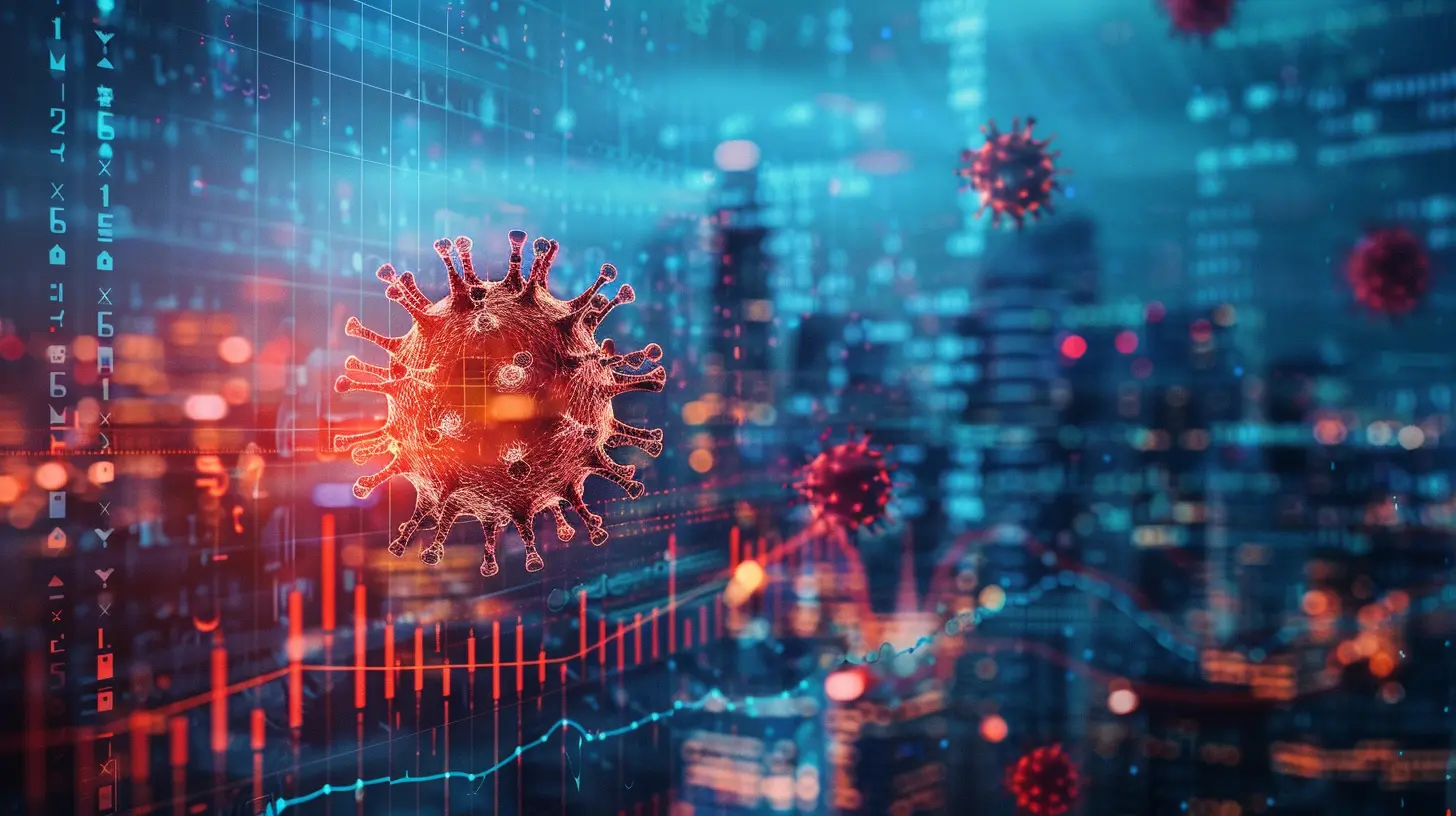
Healthcare as an Economic Pillar
For years, many governments treated healthcare as a cost rather than an investment. But health crises have repeatedly shown that underfunded healthcare systems can cripple economies.Universal Healthcare May Gain Traction
Countries with strong healthcare systems weather health crises far better than those that rely on privatized models. The economic argument for universal healthcare is becoming harder to ignore.A healthier population means:
- Higher productivity levels
- Reduced absenteeism in workplaces
- Lower long-term government spending on emergency health responses
While healthcare reform is always politically charged, future economic models may prioritize stronger public healthcare infrastructure.
Increased Investment in Biotechnology and Medical Innovation
Global health crises fuel massive investments in medical research. The COVID-19 pandemic accelerated mRNA vaccine development, a technology that could revolutionize treatments for diseases like cancer.We’re likely to see governments and private sectors boost funding in:
- Pandemic preparedness programs
- AI-driven drug discovery
- Telemedicine and decentralized healthcare delivery
This continuous investment won’t just prevent future health crises—it will drive economic growth by creating high-paying jobs in biotech and medical research.
The Role of Governments: Intervention vs. Free Markets
In times of crisis, governments step in to stabilize economies. We saw massive stimulus packages, financial bailouts, and interest rate adjustments during COVID-19. But how much intervention is too much?Bigger Government Intervention in Crisis Prevention
Rather than responding to crises, future economic models may emphasize prevention. Governments could implement policies such as:- Stronger early-warning systems for pandemics
- Mandatory corporate crisis planning for major companies
- Economic diversification incentives to reduce reliance on single industries
This proactive approach could limit economic downturns while fostering stable long-term growth.
Public-Private Partnerships Will Become Essential
Governments and private corporations had to work together to distribute vaccines, manufacture PPE, and keep supply chains running.We’ll likely see an increase in public-private partnerships where governments and businesses collaborate on:
- Infrastructure projects
- Healthcare advancements
- Sustainable energy programs
Rather than an "either-or" approach between free markets and government intervention, hybrid economic models will emerge where collaboration drives progress.
A Shift Towards Sustainable Economies
Global health crises have underscored the need for sustainability—not just in healthcare but across industries. Future economic models will likely prioritize:- Green energy investments to reduce reliance on unstable oil markets
- Circular economies that minimize waste and promote recycling
- Sustainable business practices that balance profits with long-term resilience
The next economic paradigm won’t just focus on growth—it will emphasize sustainability, adaptability, and crisis resistance.
Final Thoughts: The Evolution of Economic Thinking
Global health crises disrupt economies, but they also serve as catalysts for change. While traditional economic models prioritized efficiency and growth, the future will demand adaptability, resilience, and long-term planning.The rise of localized supply chains, remote work, stronger healthcare systems, and increased government intervention will shape the next generation of economic structures. Instead of simply reacting to crises, economies will evolve to anticipate and withstand them.
The question isn’t whether our economic models will change—it’s how fast we’ll embrace these necessary transformations.
all images in this post were generated using AI tools
Category:
Economic TrendsAuthor:

Rosa Gilbert
Discussion
rate this article
1 comments
Chloe McConkey
Sure, let's face it: if we don't adapt our economic models, we're just one crisis away from a global wake-up call. It's time to innovate or get left behind... again.
June 19, 2026 at 4:07 AM
Rosa Gilbert
You're absolutely right. Innovation is essential for resilience. We can't afford to wait for another crisis to realize this.