How Geopolitical Tensions Are Reshaping International Trade Agreements
11 July 2026
In today’s world, doing business isn’t just about supply and demand anymore. It’s not just about who can make something the cheapest or ship it the fastest. Nope. We’ve entered a whole new game—a high-stakes chessboard where geopolitical tensions are rewriting the rules of international trade. Let's be honest, things are getting complicated out there.
From trade wars to shifting alliances, countries are now putting politics on the negotiation table. It’s no longer just about economics—it's about power, security, and even values. So, what does this mean for businesses, governments, and you and me? Let's dig into how geopolitics is flipping international trade upside down.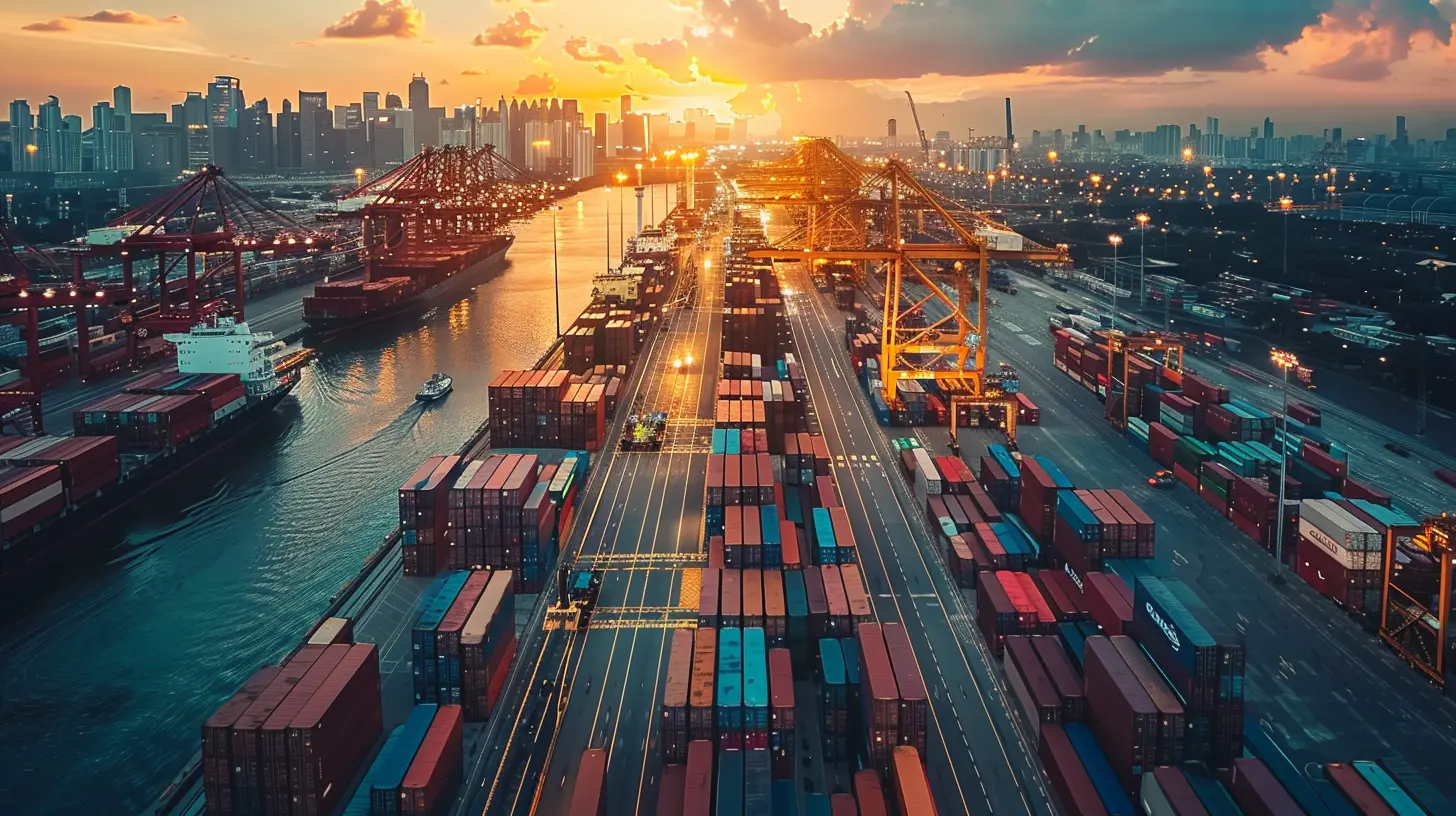
The Global Trade Landscape: From Free Trade to Strategic Alliances
Just a few years ago, global trade was all about knocking down barriers. Remember the golden era of globalization? Everyone was shaking hands, signing free trade agreements (FTAs), and talking about a borderless world. But fast forward to today, and things look way different.Now, we're seeing more protectionism, where countries prefer to look inward rather than opening up. Suddenly, it’s not just about cutting tariffs—it's about protecting national interests. Think about Brexit, the US-China trade war, or sanctions on Russia. All of these are reshaping the way countries connect economically.
Trade deals aren’t just economic tools anymore—they’re geopolitical weapons.
Major Geopolitical Tensions Shaping Trade Right Now
Alright, let’s break it down. What are the key flashpoints that are shaking up global trade agreements?1. The US-China Rivalry
This is the heavyweight bout of global trade.The US and China have been at odds over much more than just tariffs. We're talking intellectual property theft, tech restrictions, supply chain reshoring, and ideological battles. The trade war that kicked off in 2018 was just the beginning. Since then, we've seen restrictions on companies like Huawei, battles over semiconductors, and calls to "decouple" the two economies.
And you know what's wild? This tension isn’t just affecting those two giants. It’s creating ripple effects across Europe, Southeast Asia, and Africa. Countries are now having to pick sides or walk a tightrope between the two powers.
2. Russia-Ukraine Conflict
When Russia invaded Ukraine in 2022, it sent shockwaves through the global economy.Suddenly, essential commodities like oil, gas, and wheat were stuck in limbo. Sanctions against Russia haven’t just hurt Moscow—they’ve also forced the EU and other countries to reconsider who they trade with and what kind of energy dependencies they can afford.
This conflict has promoted a shift toward “friend-shoring”—a fancy term for doing business only with trusted allies. It’s like only lending tools to the neighbors you trust not to steal them.
3. China-Taiwan Tensions
The stakes are sky-high here, especially for the tech sector. Taiwan is the world’s biggest player in semiconductors, and any disruption in trade here is like pulling the plug on global electronics.If the situation escalates, you better believe global trade routes, supply chains, and investment patterns could be shaken to their core.
4. Middle East Instability
Ongoing conflicts, especially involving oil-rich nations, always send tremors through global markets. Any political instability in the region can immediately jack up oil prices, sending economies on a rollercoaster. This creates urgency for countries to diversify energy sources—and trade partners.
The Shift From Multilateralism to Bilateral and Regional Deals
Remember the World Trade Organization (WTO)? It was supposed to be the superhero of global trade—ensuring fairness and solving disputes. But lately, it’s kind of been benched.Countries aren’t as keen on big, multilateral deals now. Instead, they’re focusing on smaller, more focused deals with like-minded partners.
Examples?
- USMCA: After pulling out of NAFTA, the U.S. renegotiated it into the United States-Mexico-Canada Agreement—tweaked to favor American workers and industries.- RCEP: The Regional Comprehensive Economic Partnership, led by China, links 15 Asia-Pacific nations and is the world’s largest trade pact.
- CPTPP: The Comprehensive and Progressive Agreement for Trans-Pacific Partnership is what was left after the U.S. dropped out of the original TPP.
These regional trade pacts reflect the new reality: stick with your “crew.” It’s like high school cliques but with billion-dollar stakes.
Trade Is Now About More Than Just Trade
Sounds weird, right? But modern trade agreements are about much more than goods, services, and tariffs.1. National Security
Countries don’t want to depend on potential rivals for critical resources like energy, food, or microchips. We've seen a huge push for domestic manufacturing and reshoring industries considered vital for national security.2. Human Rights and Environmental Standards
Western nations, particularly the EU, are increasingly tying trade deals to values like democracy, labor rights, and environmental sustainability. If a country doesn't play by these rules, they may find it harder to sign trade agreements.Think of it as “value-based trading”—trading only with those who share your worldview.
3. Cybersecurity and Data Sovereignty
Data is the new oil. And just like with oil, countries are getting possessive over who controls it and where it flows. Trade agreements now often include clauses about how data should be stored, used, and protected.Supply Chains: The New Battleground
Supply chains used to be all about speed and cost. Now, it's about resilience and trust.What’s Happening?
- Diversification: Businesses are no longer putting all their eggs in one basket (read: one country). They're spreading risk across multiple locations.- Nearshoring and Friendshoring: Companies are moving operations closer to home or to politically safer countries.
- Digital Supply Chains: Thanks to AI and blockchain, supply chains are getting smarter and more transparent.
Basically, supply chains now have to wear armor.
How Businesses Are Reacting (And Adapting)
Smart companies know they can't ignore geopolitics anymore.Strategies We’re Seeing:
- Scenario Planning: Businesses are creating multiple strategies based on how geopolitical situations might unfold.- Geopolitical Risk Consultants: Yep, this is a real thing now. Companies hire experts who track political developments like it’s a stock portfolio.
- Contracts with Clauses: International deals now include contingency plans for political unrest, sanctions, and trade restrictions.
If you’re running a business that crosses borders, you can’t afford to be passive. You’ve got to stay alert, act fast, and remain flexible.
The Role of Technology in Navigating This New Landscape
Technology isn't just part of the problem (e.g., data wars or cyberattacks)—it’s also part of the solution.- AI and Machine Learning: Predictive analytics help companies anticipate geopolitical shocks before they happen.
- Blockchain: Increases transparency in supply chains, especially important when trust is fragile.
- Digital Trade Platforms: Speed up cross-border transactions while complying with ever-changing rules.
Think of tech as your digital compass in the unpredictable storm of global politics.
Looking Ahead: What Does the Future Hold for International Trade Agreements?
Honestly? It's a mixed bag.We’re headed toward a world where trade will be more fragmented but also more strategic. Countries won't stop trading—but they’ll be choosier about who they do business with.
We might see:
- More Custom-Tailored Deals: Designed to suit specific industries or regions.
- Rise of Digital Trade Agreements: Focused on data protection, AI ethics, and intellectual property.
- Increased Role of Emerging Economies: Nations like India, Indonesia, and Brazil could become power players.
So yes, the rules are changing. But those who adapt—those who understand the dance between politics and economics—will thrive.
Final Thoughts
Geopolitical tensions are no longer the background noise—they’re front and center. They’re changing how deals are made, who gets to trade with whom, and how global supply chains are stitched together.But here's the deal: change can be intimidating, but it can also be filled with opportunity. If you’re a business leader, policymaker, or just someone who’s globally curious, now’s the time to stay informed and agile. International trade may never be the same again—but maybe, just maybe, that’s a good thing.
Let’s stop thinking of trade as just numbers and logistics—it’s strategy, diplomacy, and even a bit of gamesmanship. And in this new game, knowing the players and the rules is half the battle.
all images in this post were generated using AI tools
Category:
Economic TrendsAuthor:

Rosa Gilbert