Gamification: Energizing Employee Engagement in the Workplace
28 June 2026
Employee engagement—it's the heartbeat of any thriving organization. But let's be honest, keeping employees motivated, productive, and genuinely excited about their work can be challenging. That’s where gamification comes into play.
Gamification takes the principles of game design and applies them to the workplace, making daily tasks more interactive, rewarding, and—dare we say—fun. Whether it's leaderboards, achievements, or friendly competition, gamification has the power to transform dull routines into exciting experiences.
So, how exactly does gamification supercharge employee engagement? Let’s break it down.

What is Gamification in the Workplace?
At its core, gamification is about integrating game-like elements into non-game environments. In the workplace, this means using points, badges, rewards, challenges, and competitions to make tasks more engaging.Think about the last time you earned a badge for completing an online course or got a discount for hitting a loyalty milestone. That’s gamification in action! Now, imagine applying those same mechanics to work-related tasks—instant motivation boost, right?
Why Does Gamification Work?
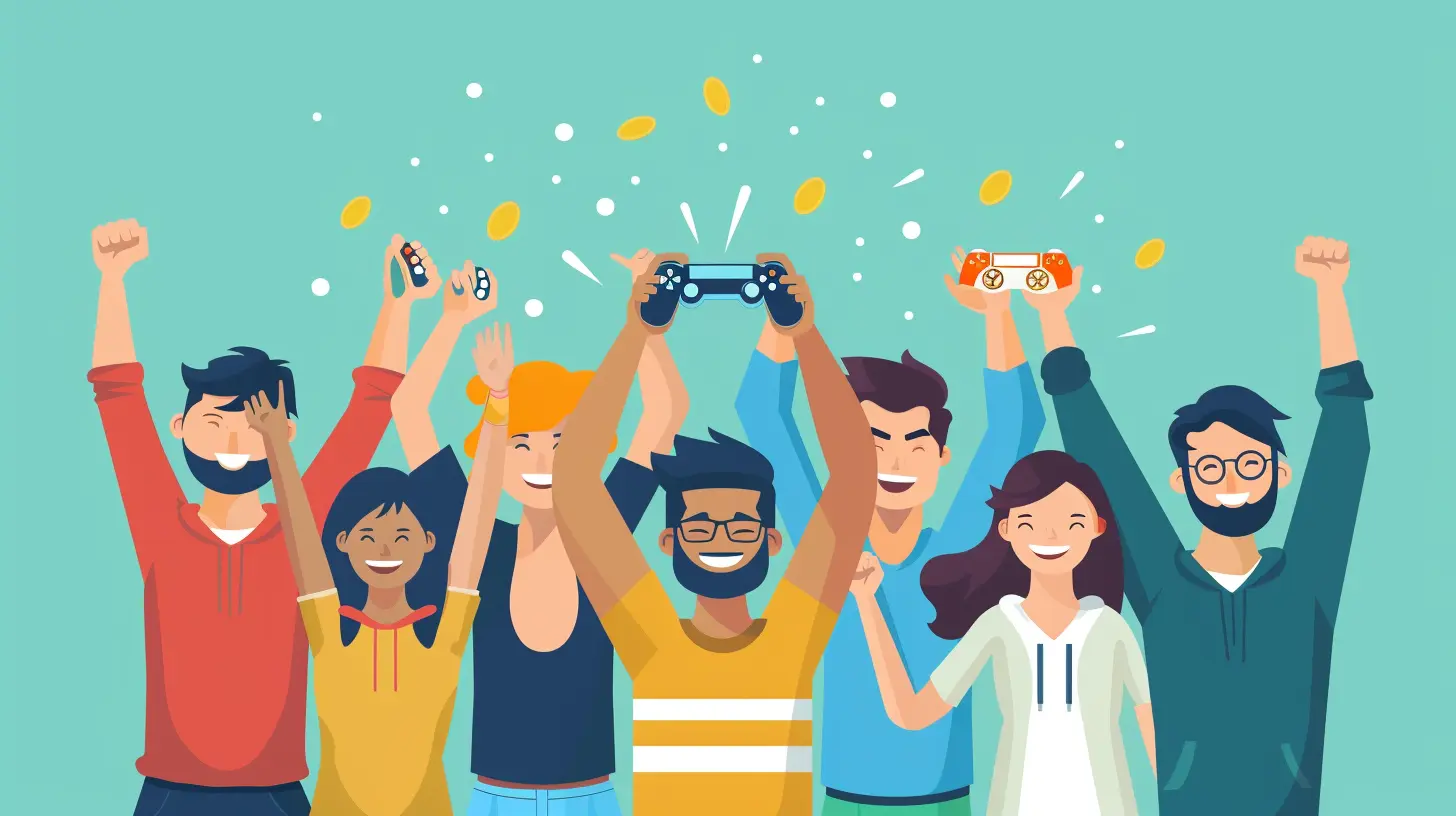
Gamification taps into basic human psychology. We all love a sense of achievement, thrive on friendly competition, and feel motivated by recognition and rewards. These factors drive engagement, making employees more inclined to participate, collaborate, and push themselves to improve.Here’s why gamification is so effective:
- Instant Gratification – Employees see immediate progress (like earning points or badges), keeping them motivated.
- Healthy Competition – Leaderboards encourage employees to push themselves in a supportive way.
- Recognition & Rewards – Employees love being acknowledged for their efforts, and small incentives go a long way.
- Clear Goals & Progress Tracking – Gamification provides a structured path toward success, reducing ambiguity.
The Benefits of Gamification in the Workplace
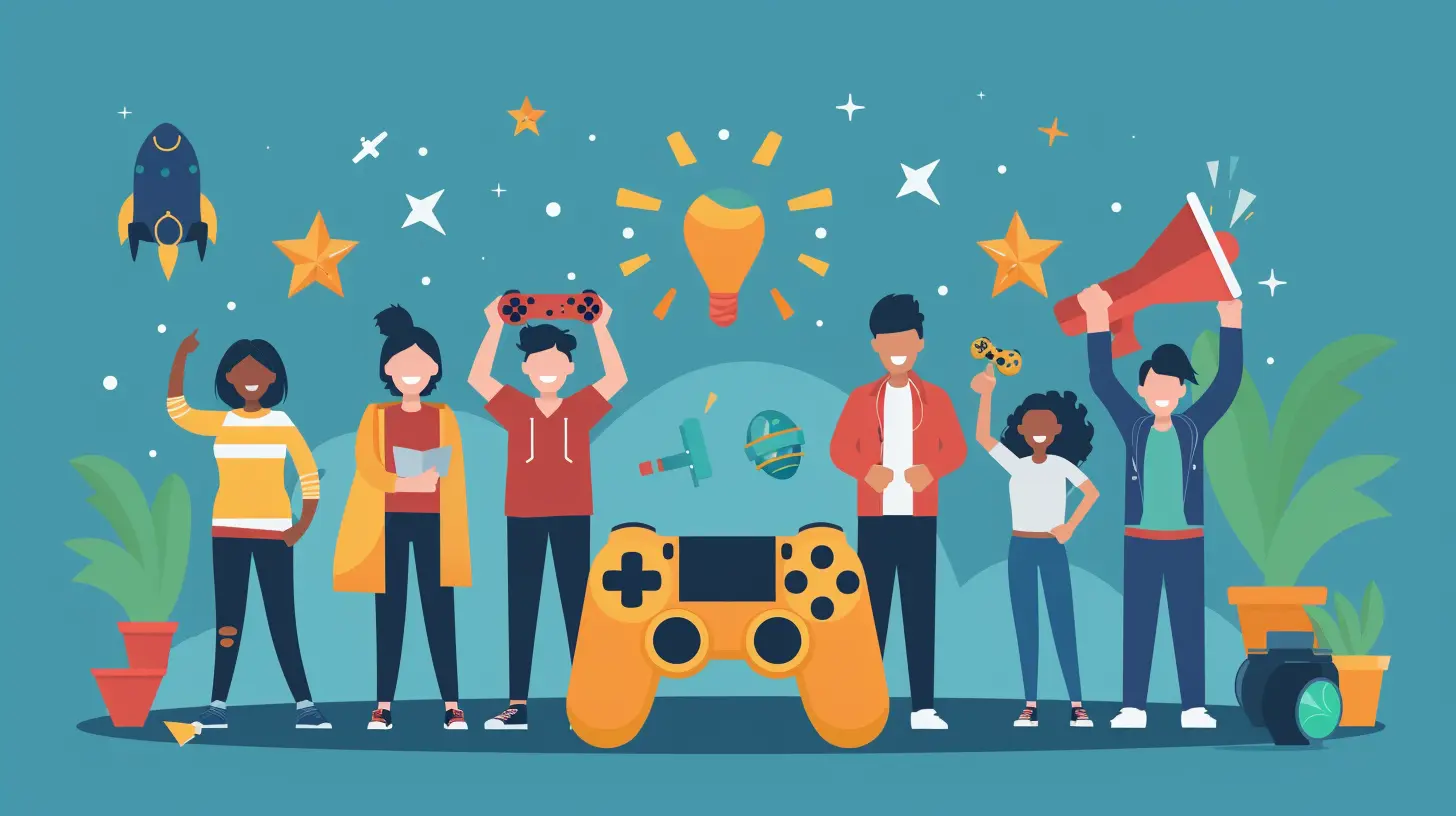
So, what’s in it for businesses? A highly engaged, motivated, and productive workforce. Let’s dive into the key benefits.1. Boosts Employee Engagement
Let’s be real—mundane tasks can kill motivation. Gamification breathes life into these tasks, making employees more eager to participate. When work feels like a game, employees naturally become more invested in their roles.For instance, setting up a sales leaderboard where top performers earn rewards makes hitting targets more fun rather than feeling like a chore.
2. Enhances Productivity
Gamification provides clear goals and incentives, making employees feel more driven to complete tasks efficiently. When employees can track their progress in real time, they push themselves to complete challenges faster and better.For example, a company might introduce a task-based reward system, where employees earn points that can be redeemed for perks. Suddenly, tasks that once felt tedious become exciting.
3. Creates a Positive Work Environment
A workplace that fosters friendly competition and fun challenges naturally becomes a more enjoyable place to work. Employees feel encouraged, teamwork improves, and the overall vibe shifts from “just another day at the office” to “let’s win this together.”4. Encourages Learning and Development
Training sessions can sometimes feel like a snooze-fest. But gamification transforms learning into engaging experiences through quizzes, challenges, and interactive content.Imagine earning badges for completing training modules, progressing through different skill levels, and even competing with colleagues in knowledge-based games. Suddenly, learning becomes something to look forward to!
5. Improves Employee Retention
Employees who feel engaged, valued, and rewarded are far more likely to stick around. Gamification helps build a sense of belonging and achievement, making employees feel like an integral part of the company’s success.
How to Successfully Implement Gamification
Not all gamification strategies are created equal. To get the best results, it’s crucial to do it right. Here’s how:1. Align Gamification with Business Goals
Gamification should serve a purpose beyond just fun. Want to boost sales? Improve training completion rates? Enhance teamwork? Define your goal first, then tailor the game mechanics accordingly.2. Make It Simple and Engaging
Overcomplicating things can have the opposite effect. Keep the system straightforward, intuitive, and easy to adopt. If it takes longer to figure out how to play than to actually do the task, employees will lose interest fast.3. Offer Meaningful Rewards
Not all rewards have to be monetary. Recognition, exclusive privileges, and career growth opportunities can be just as motivating. Find out what truly resonates with your team and design rewards that matter.4. Encourage Friendly Competition, Not Stress
Gamification should motivate, not intimidate. Avoid making it overly competitive to the point where employees feel stressed or discouraged. Balance is key!5. Monitor, Adapt, and Improve
Gather feedback and track the results. Are employees actually engaging with the system? Are the KPIs improving? If something isn’t working, tweak the strategy until you hit that sweet spot.Real-World Examples of Workplace Gamification
Still wondering how gamification plays out in reality? Here are some real-life examples of companies doing it right:Deloitte – Gamified Leadership Training
Deloitte introduced a gamified leadership training program that rewarded employees with badges and leaderboards for completing learning modules. The result? A 50% faster completion rate for training programs!Microsoft – Language Learning Gamification
Microsoft used gamification to improve its global language translation system. Employees were encouraged to compete in a game-like scenario, providing translations and quality checks. This not only improved accuracy but also made the task enjoyable.SAP – Sales Gamification
SAP developed a sales training game where employees engaged in simulated client meetings, earning points and rewards for successful negotiations. This boosted sales preparedness and overall motivation.
Is Gamification the Future of Employee Engagement?
The answer? A resounding yes. As businesses continuously look for new ways to attract, retain, and engage talent, gamification is increasingly becoming a go-to strategy.Humans are naturally wired to enjoy games—why not leverage that psychology to create a more engaging, motivating, and rewarding workplace?
If done right, gamification isn’t just a gimmick—it’s a game-changing approach to work culture. So, are you ready to level up your workplace?
all images in this post were generated using AI tools
Category:
Employee EngagementAuthor:

Rosa Gilbert
Discussion
rate this article
1 comments
Bradley McKeehan
While gamification can enhance engagement, it risks becoming superficial if not aligned with meaningful work. True motivation stems from purpose and connection, not just points and rewards. Balance is key.
July 6, 2026 at 4:56 AM