Exploring the Shift Towards Green Economies in Developing Nations
5 April 2026
The world is changing, and so is the way we think about growth, industry, and sustainability. It's not just the wealthier nations leading the charge into greener pastures—developing countries are stepping onto the green stage too, and they’re not holding back. From solar farms in Africa to sustainable farming in Asia and eco-tourism in Latin America, there’s a global shift happening. It’s bold, it’s overdue, and it’s inspiring.
But what exactly does a green economy mean, especially for a developing nation? Is it just about planting more trees or switching to solar panels? Well, not quite. Let’s roll up our sleeves and break it all down.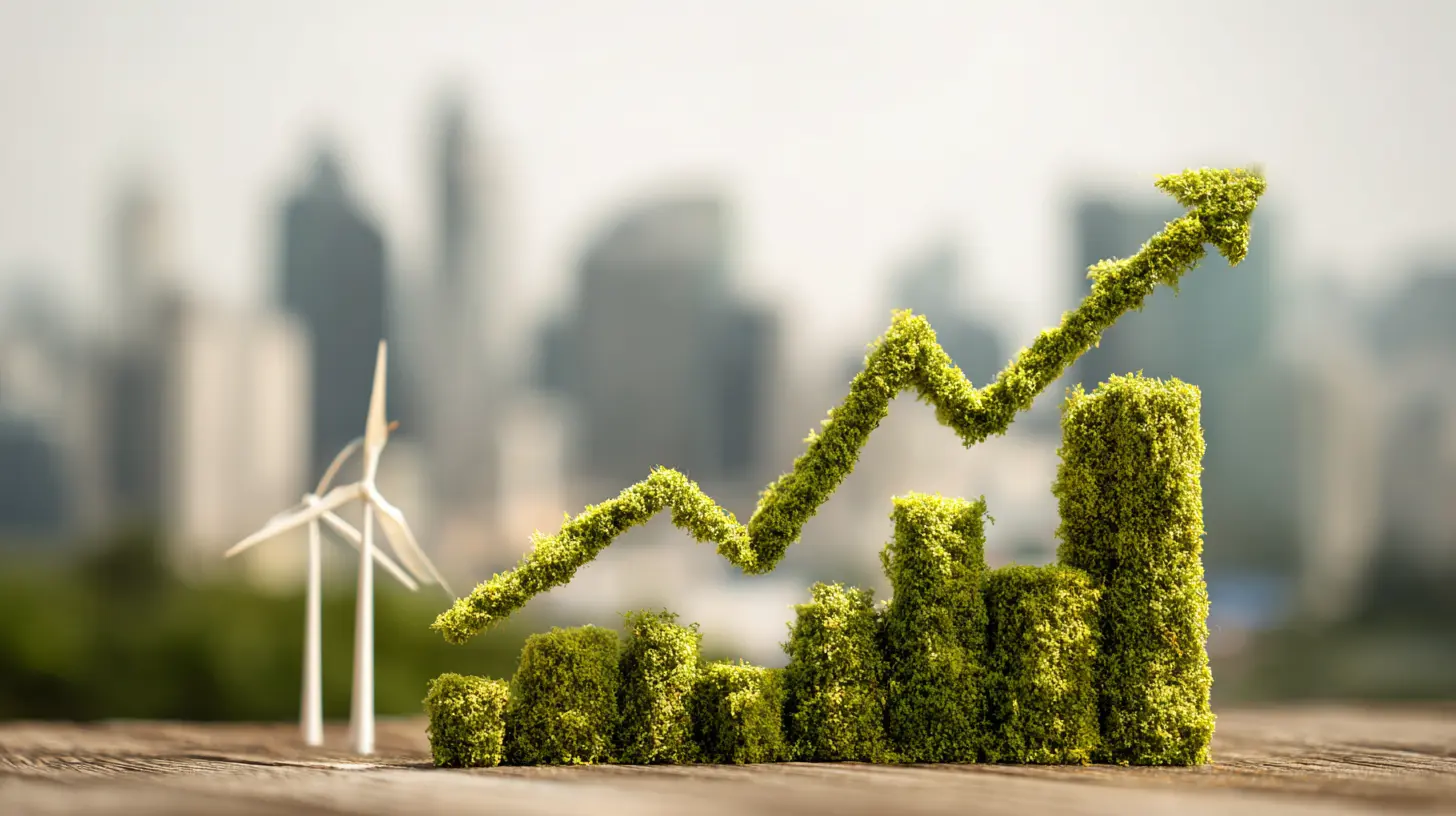
What Is a Green Economy, Anyway?
Before we get too deep, let’s get one thing straight. A green economy isn’t some abstract buzzword—it’s a very real, very practical shift in the way a country builds and grows its economy.In simple terms, a green economy is one that results in improved human well-being and social equity, while significantly reducing environmental risks and ecological scarcities.
Think of it as balancing the budget with both people and the planet in mind.
It’s like baking a cake where profit, people, and the planet are the ingredients—and all three have to blend perfectly for the end result to be truly satisfying.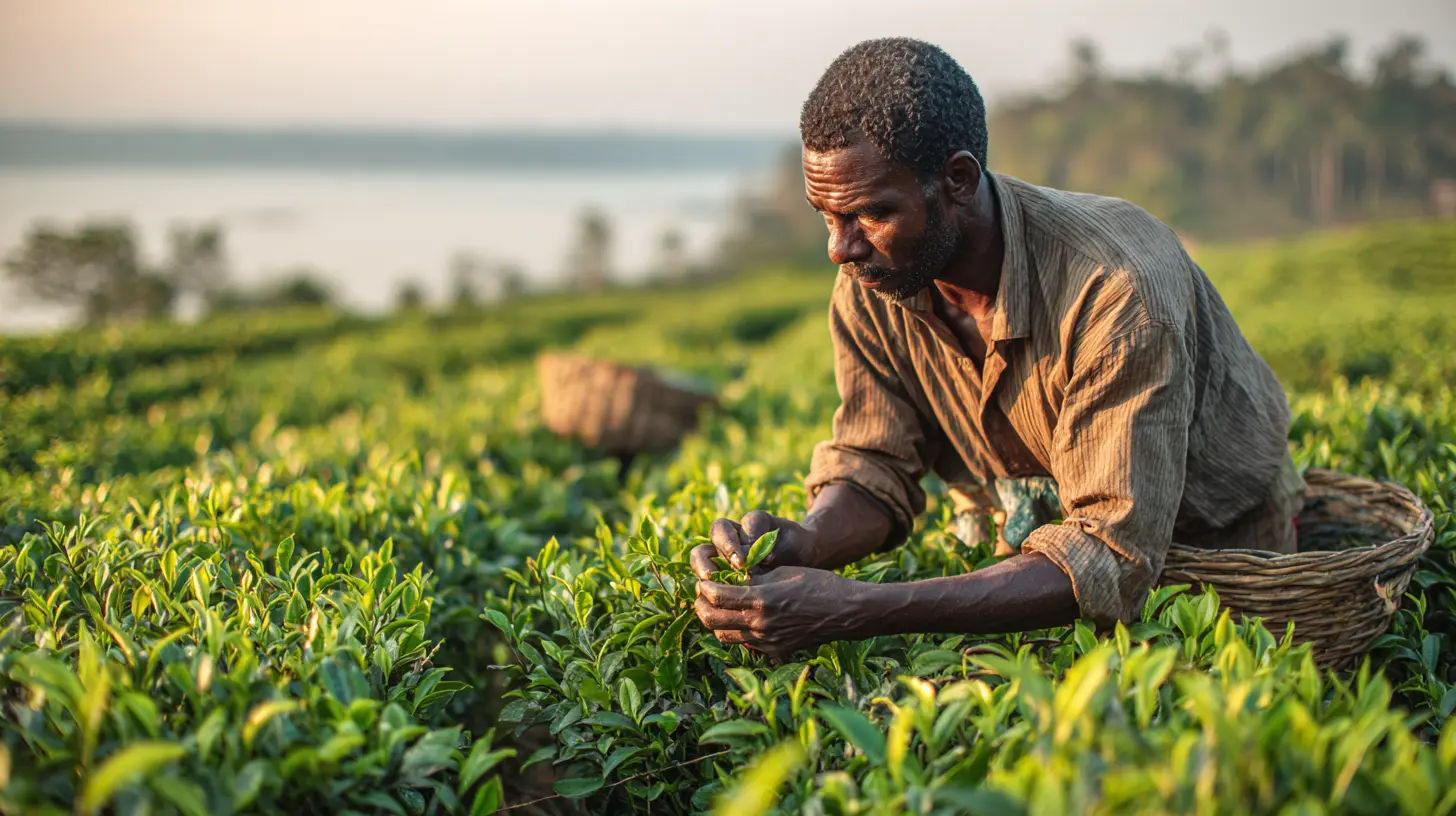
Why Now? The Timing of the Shift
So why are developing nations making this shift now? Well, there’s more than one reason—and it’s not just because of pressure from global powers or climate accords. It’s because these nations are seeing the writing on the wall.1. Climate Change is Hitting Hard
Let’s be real—developing nations often bear the brunt of climate change. Rising sea levels, droughts, extreme weather—they're not just scenarios in a science fiction movie. They're happening now and messing with agriculture, housing, health, and even economies.Going green isn’t just a trend for these countries—it’s survival.
2. Economic Opportunity
Here’s the twist—going green isn’t expensive or impractical like many people think. In fact, it’s opening doors to new industries and jobs. Green tech, clean energy, eco-tourism, sustainable agriculture—it’s a buffet of opportunity waiting to be served.3. Energy Independence
Many developing countries rely heavily on imported fossil fuels. That’s not only expensive, but it puts them at the mercy of global prices. Switching to renewable energy? It cuts the cord—and keeps the lights on.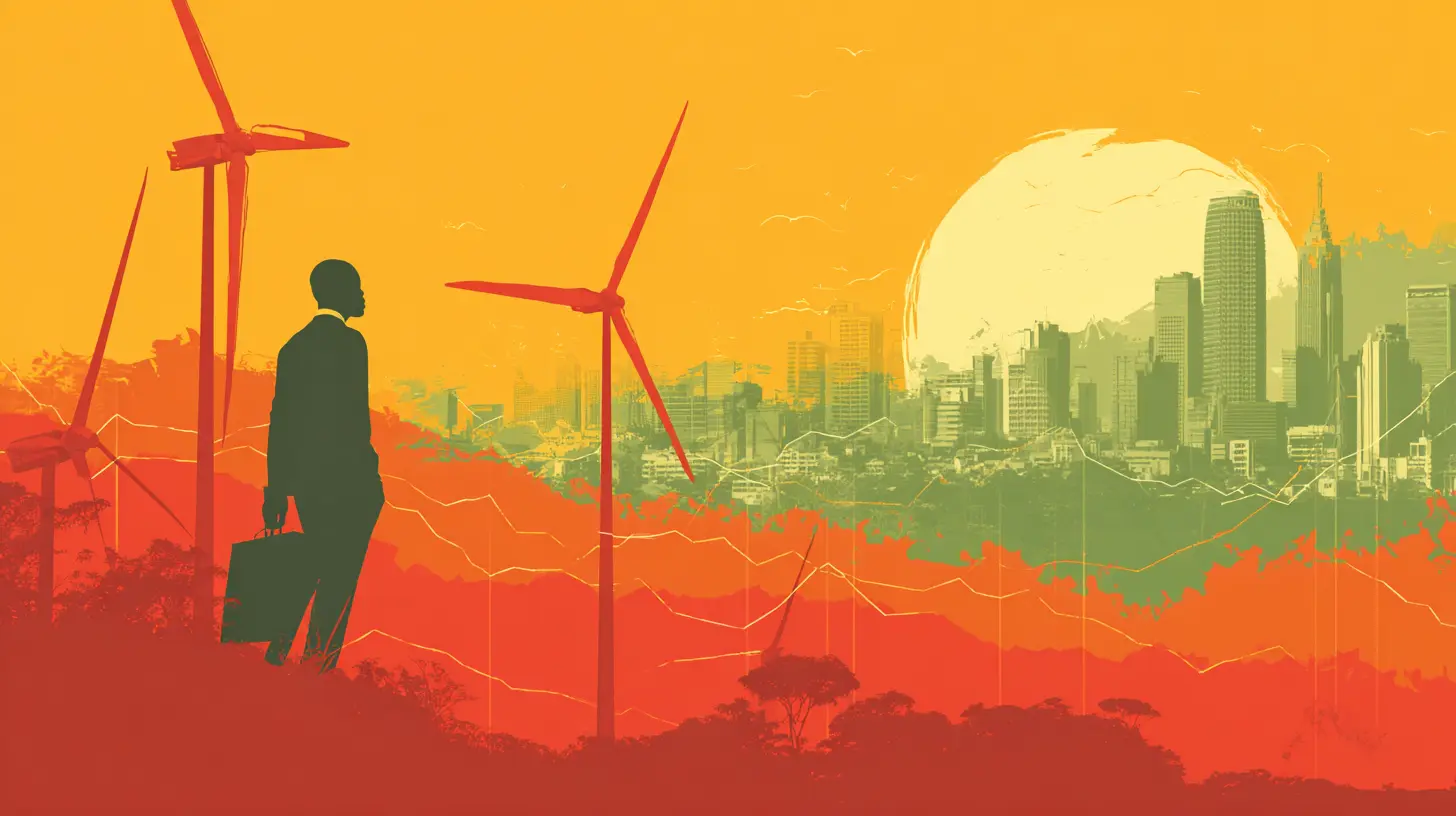
The Green Economy in Action
Alright, let’s bring this to life. What does the green shift actually look like in the real world?Africa’s Solar Revolution
Africa has some of the highest solar potential on Earth. Countries like Kenya, Rwanda, and South Africa are installing solar farms and even decentralized solar grids in rural areas. This isn’t just reducing emissions—it’s bringing power to communities that never had electricity before. Talk about a win-win.Latin America’s Eco-Tourism Boom
Costa Rica is practically a poster child for green tourism. By protecting forests and investing in sustainable tourism, they’ve not only preserved their environment—they’ve created thousands of jobs. That model is spreading across the continent.Asia’s Push for Sustainable Agriculture
In countries like India and Bangladesh, farmers are being trained in eco-friendly farming practices—like organic fertilizing, water conservation, and crop rotation. The result? Improved yields, healthier ecosystems, and better long-term food security.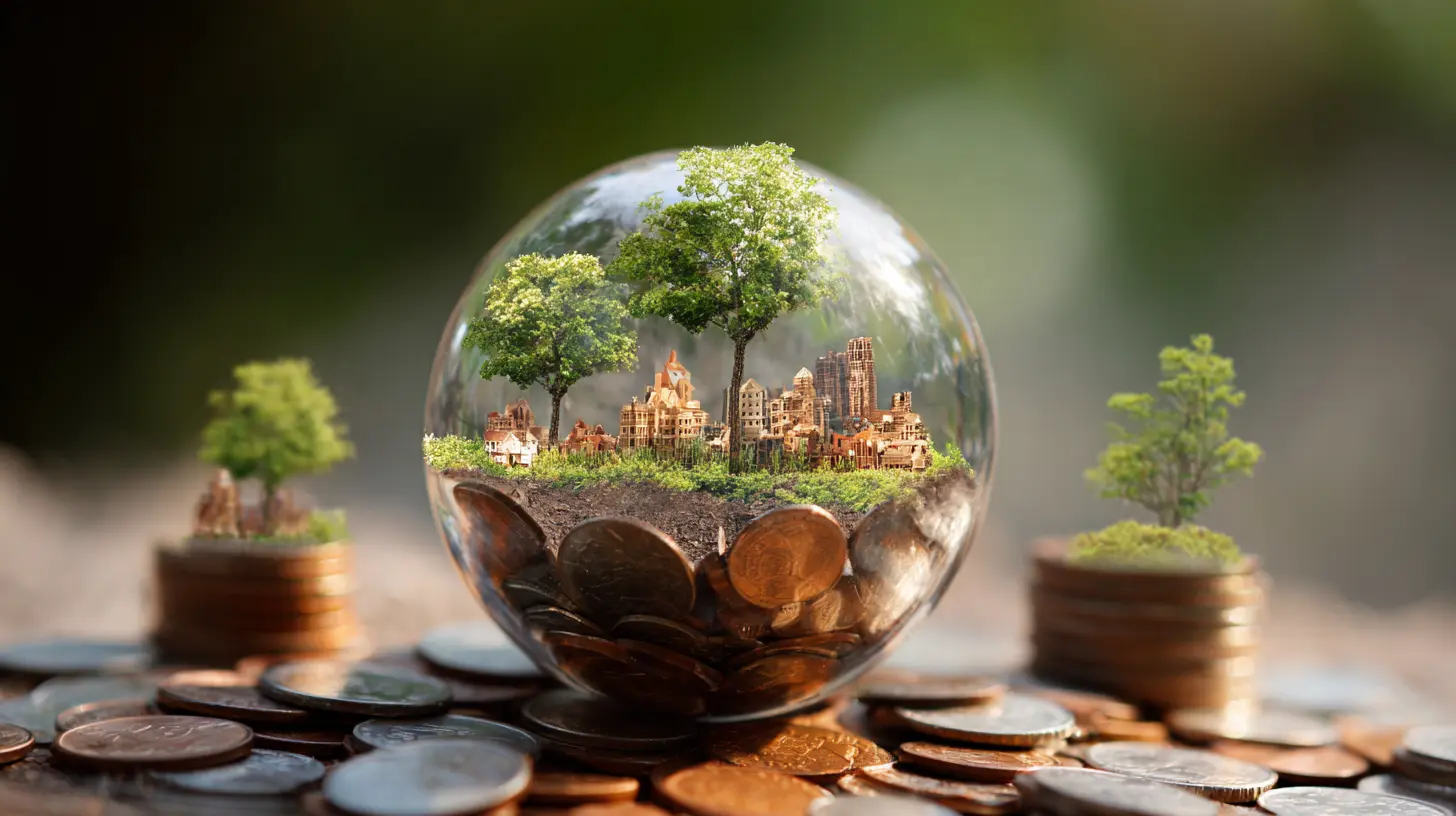
Barriers to Going Green
Now, let’s not sugarcoat it. The road to a green economy isn’t all sunshine and solar panels. There are some hefty challenges.Limited Access to Funding
Most green projects need upfront investment. Solar panels, wind farms, reforestation—they’re not cheap to get off the ground. For many developing countries, securing that kind of capital is a major hurdle.Lack of Infrastructure
It’s tough to build a green future when the basic infrastructure—like roads, internet, or power lines—isn’t up to par. This slows progress and discourages investment.Political Instability
In some regions, political unrest or weak governance throws a wrench in the works. Even if the desire for green reform is there, the execution may fall apart without the right leadership and institutional support.Resistance to Change
Let’s face it—change is hard. Especially when industries and jobs are on the line. Transitioning from old systems to greener alternatives means shifting mindsets, retraining workers, and sometimes facing pushback from powerful interest groups.How Developing Nations Are Overcoming These Challenges
So, what’s the game plan? How are these countries making it work against all odds?Embracing Innovation
Many nations are skipping the middle-tech phase and leaping straight into cutting-edge solutions. Take mobile banking or blockchain for clean energy trading. Innovation is becoming their secret weapon.Public-Private Partnerships
Governments are teaming up with private businesses and foreign investors to fund and support green initiatives. This shared-risk model is helping projects get off the ground faster and more efficiently.Education and Community Involvement
Change starts at the local level. Developing nations are investing in education and awareness campaigns to get communities involved in, and excited about, sustainable practices.Think about it like this—you can't build a green economy without planting the idea first in people's minds.
Leveraging International Support
Through climate finance mechanisms like the Green Climate Fund, and global organizations like the UN, developing nations are getting the tools and funding they need to make meaningful progress.The Economic Upside of Going Green
Still wondering if all of this is really worth it? Let’s talk money—because the green economy isn’t just good for the planet, it’s great for business too.Job Creation
Green jobs are booming. From solar panel technicians to reforestation workers, the shift is creating employment in sectors that are future-proof and meaningful.Long-Term Cost Savings
Sustainable systems often save money in the long run. Energy-efficient buildings, reduced fuel imports, and resilient agriculture all mean lower costs over time.Attracting Investment
Green economies are increasingly attractive to foreign investors. Ethical investment funds, eco-entrepreneurship, and impact investors are actively hunting for sustainable portfolios. Developing nations with green initiatives? They’re suddenly on the radar.Real-Life Success Stories from the Global South
These aren’t just theories. Countries are already showing us how it’s done.Ethiopia’s Green Legacy Initiative
Ethiopia launched a massive tree-planting campaign, planting billions (yes, billions) of trees. This effort not only combats deforestation and erosion—it creates jobs and restores ecosystems.Bangladesh’s Solar Home Systems
Bangladesh rolled out one of the largest decentralized solar home programs in the world, lighting up millions of homes previously without electricity. Affordable, sustainable, and scalable—this model is a blueprint for others.Uruguay’s Renewable Energy Strategy
In less than a decade, Uruguay flipped the script. Today, over 95% of its electricity comes from renewables, thanks to smart policies and bold investment. It's proof that transformation is possible—even for small, developing countries.What the Future Holds
Here’s the exciting part: we’re just getting started. As green tech becomes cheaper and more accessible, the potential for developing nations to leapfrog into a sustainable future only grows.Future trends to watch out for?
- Green fintech: Banking on sustainability.
- Carbon markets: Turning carbon credits into currency.
- Circular economies: Turning waste into wealth.
- Digital agriculture: Farming with data, not guesswork.
The green revolution is no longer just about saving the planet—it’s about building better economies, empowering people, and creating a future we can actually be proud of.
Wrapping It Up
Let’s be honest—green economies in developing nations aren’t just some noble dream. They’re a real necessity, a business opportunity, and a cultural shift all rolled into one. Sure, the road is bumpy, but with innovation, courage, and collaboration, it’s a journey worth taking.If you think going green is expensive, try calculating the cost of not doing it. Climate change won’t wait—and neither should we.
So, whether you’re a policy-maker, entrepreneur, activist, or just a curious mind, now’s the time to tune in to this global shift. The seeds of change are already in the soil. All we have to do is help them grow.
all images in this post were generated using AI tools
Category:
Economic TrendsAuthor:

Rosa Gilbert
Discussion
rate this article
2 comments
Zephyrae Warner
In vibrant hues of hope, green dreams arise; developing nations weave sustainability, nurturing earth with wisdom and vision.
April 21, 2026 at 5:19 AM
Rosa Gilbert
Thank you for capturing the essence of this shift. It's inspiring to see how hope and sustainable practices are intertwined in the journey of developing nations.
Mateo Brooks
Who knew saving the planet could be so fashionable? Green economies: the new black for developing nations!
April 8, 2026 at 3:12 AM
Rosa Gilbert
Absolutely! Embracing green economies not only promotes sustainability but also fosters innovation and growth, making it a stylish choice for the future.