Examining the Shift Towards Circular Economies
5 March 2026
Let’s face it—the way we’ve been doing things just isn’t cutting it anymore. We live in a world where stuff is made, used, and then tossed out like yesterday’s leftovers. But here’s the kicker: our planet can't keep up with that pace. That’s where circular economies step in, offering a fresh, smarter way to think about resources, waste, and sustainability.
The idea is simple. Instead of our usual "take-make-dispose" model, the circular economy flips the script. It’s all about keeping things in play for as long as possible. Think of it like passing a ball around instead of throwing it away after just one toss.
But what does this shift really mean for businesses, communities, and the planet? Let’s dive in and unpack this growing movement.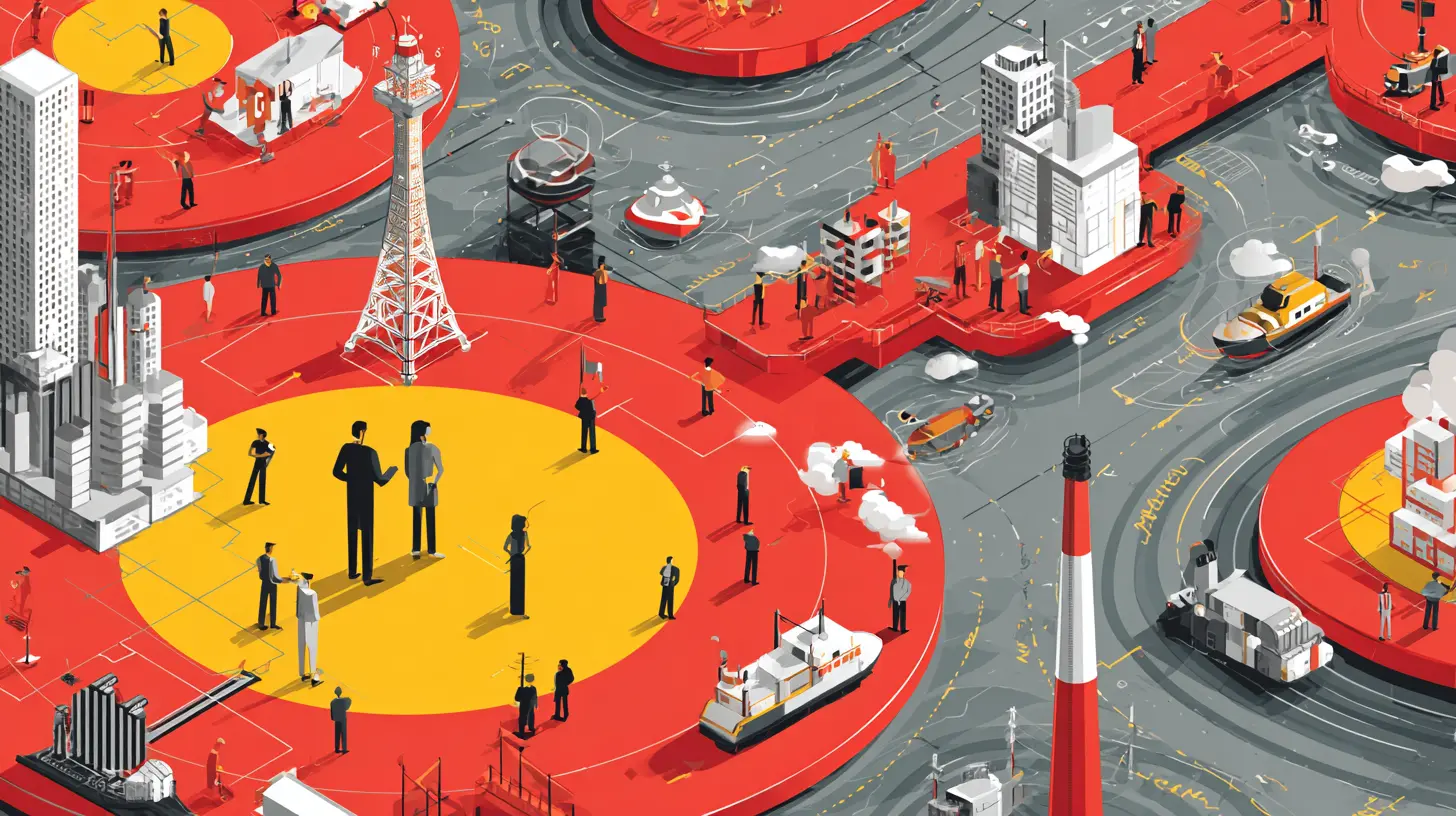
What is a Circular Economy, Really?
You’ve probably heard the term thrown around, but what exactly is a circular economy?At its core, a circular economy is all about minimizing waste and making the most of our resources. It’s kind of like giving everything a second (or third, or fourth) life. Instead of the traditional linear economy that produces, consumes, and discards, the circular model aims to:
- Design out waste and pollution
- Keep products and materials in use
- Regenerate natural systems
In other words, it’s an economy that actually works with the environment, not against it.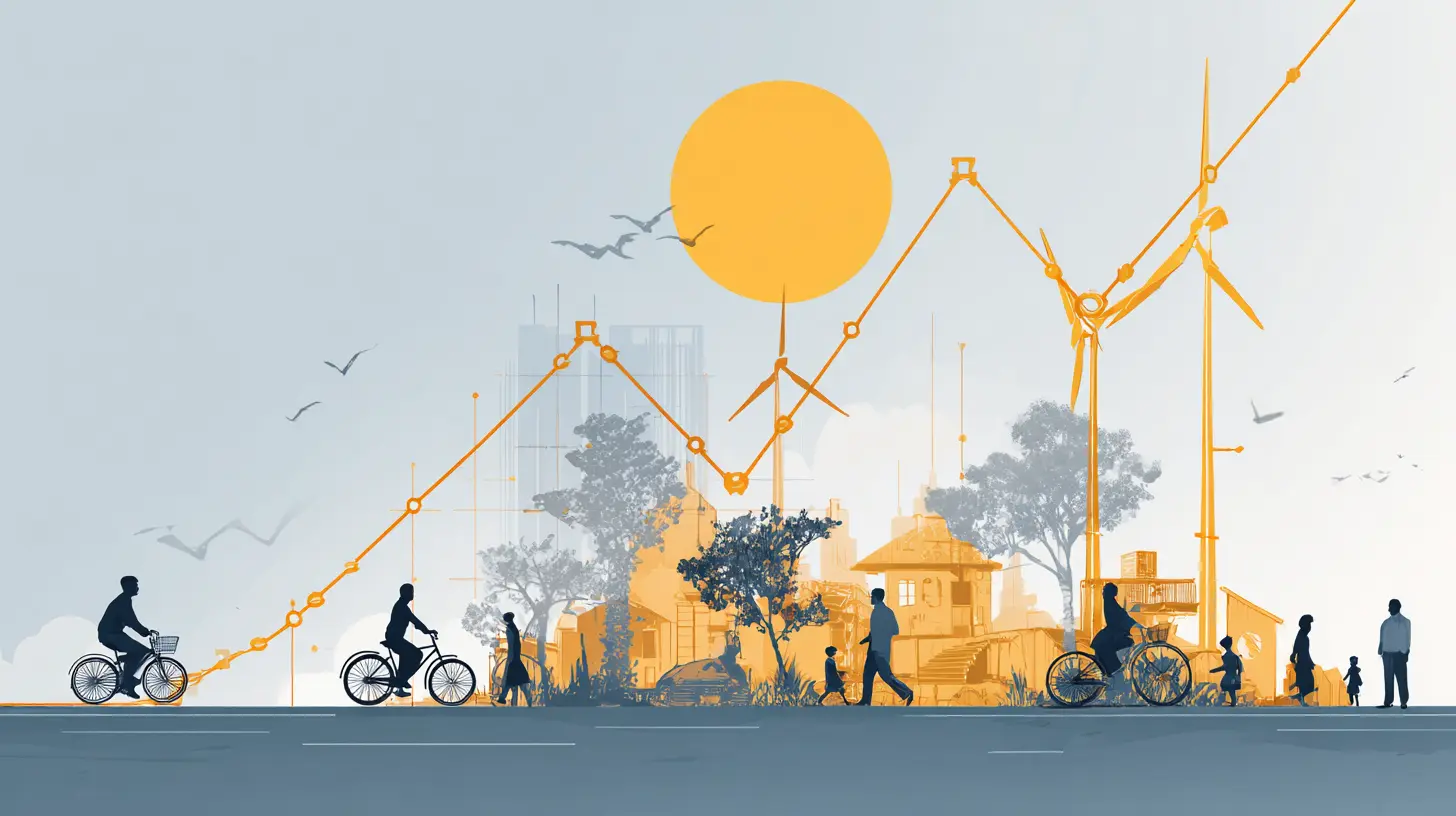
Why Are We Even Talking About This?
Let’s be real—we’re drowning in waste. Landfills are overflowing, oceans are choking on plastic, and natural resources are being depleted faster than they can be replenished. If you stop and think about it, our current approach is like filling a bathtub with the drain wide open.Here are some hard-hitting reasons why this shift is more urgent than ever:
- Resource Scarcity: We’re running out of essential materials like rare earth metals, clean water, and fertile soil.
- Environmental Degradation: Pollution, deforestation, and climate change are tied directly to how we produce and consume goods.
- Economic Pressure: Raw materials are getting expensive, and supply chains are more fragile than ever.
- Consumer Demand: People are waking up. More and more customers want sustainable, ethical products.
So, yeah—there’s a real need to rethink how our economies function.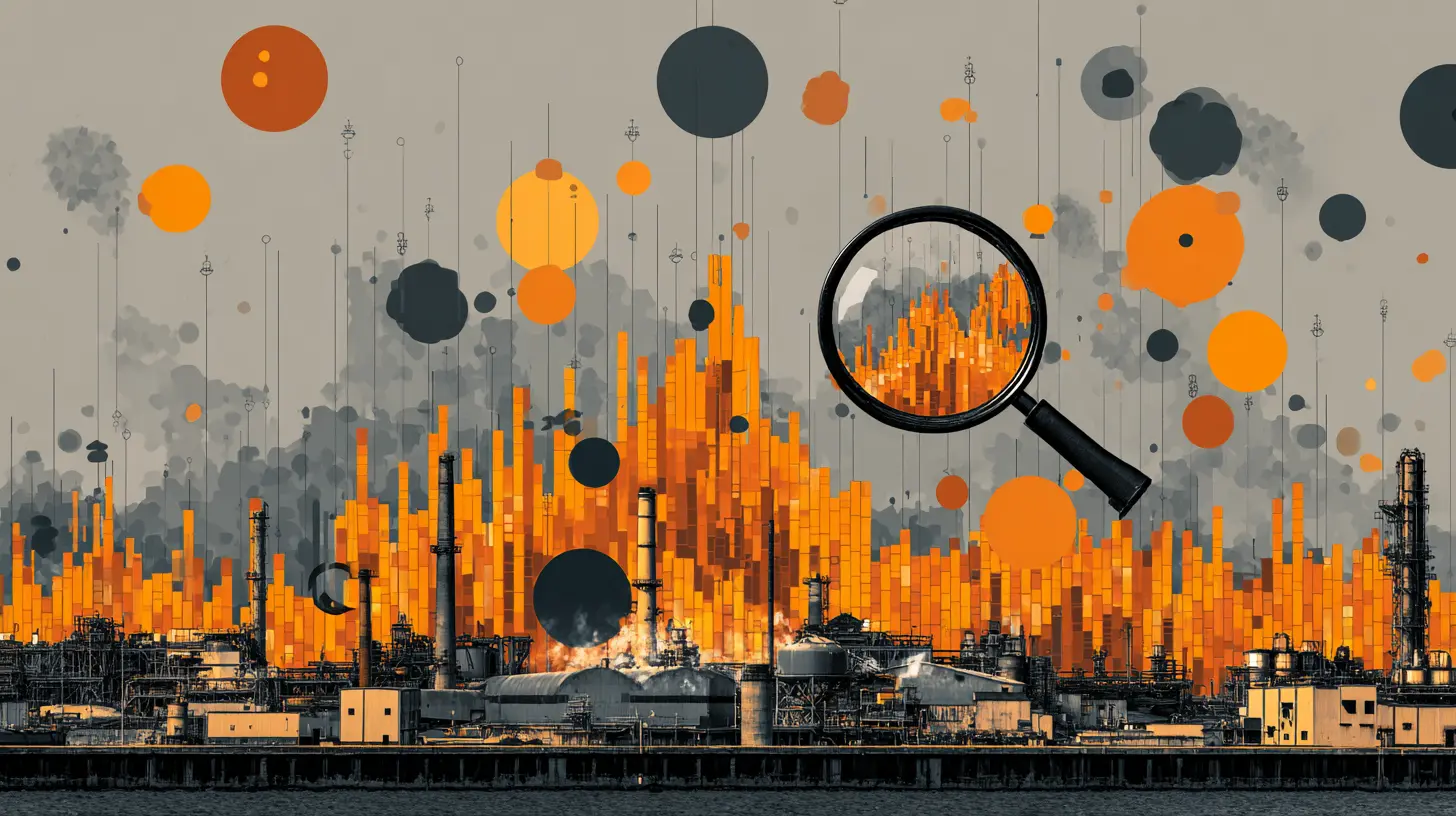
How Did We Even Get Here?
For decades, growth meant producing more and selling more. Efficiency was all about speed and cost, not long-term impact. Products were built to break, not last. That’s how we ended up in this throwaway culture.But things are shifting. Environmental awareness is on the rise. Technology is making reuse and recycling smarter and more scalable. And the economic case for sustainability is finally starting to make sense. Businesses are realizing that going green isn’t just about hugging trees—it can actually save money and open new markets.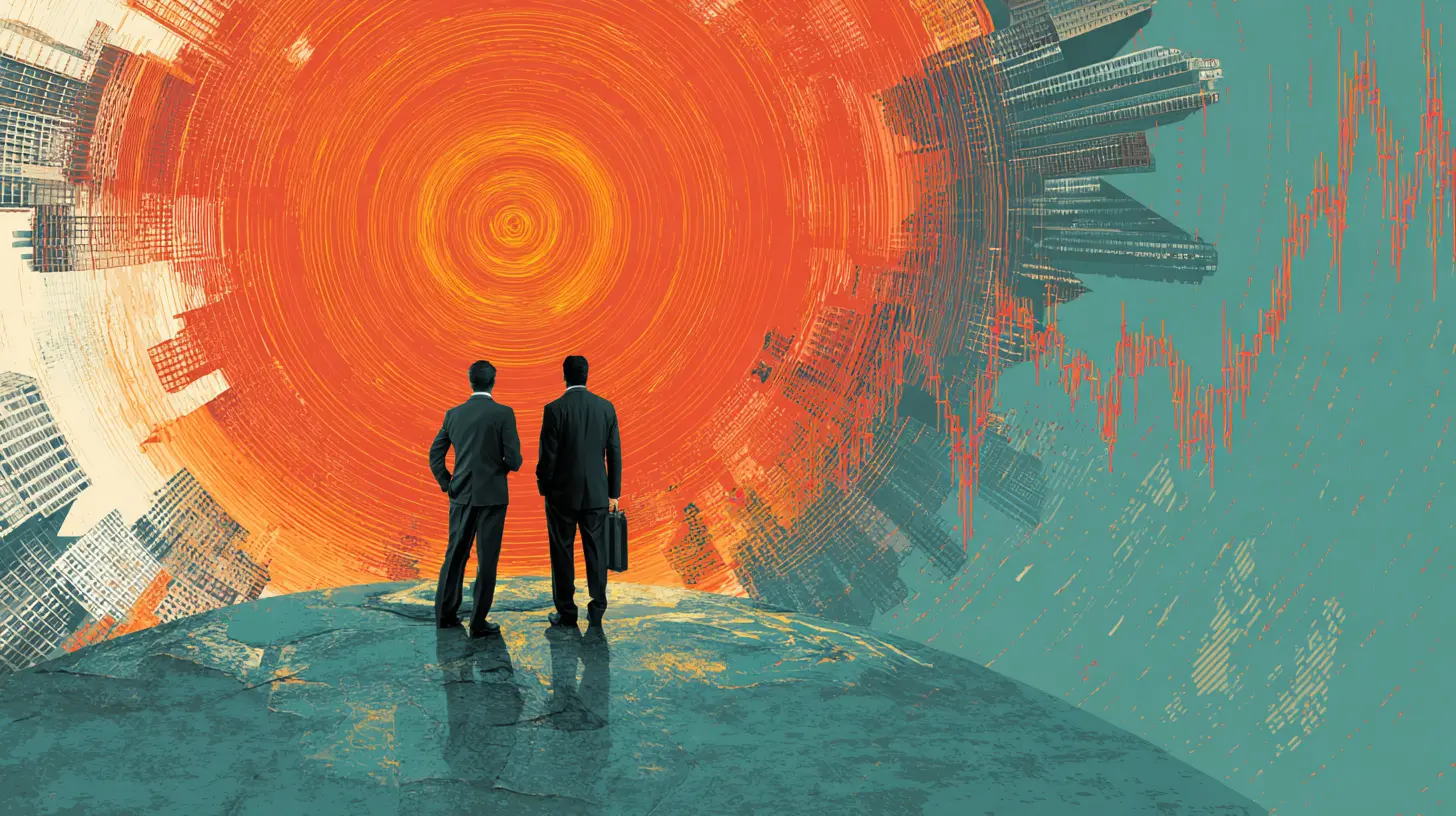
Circular Economy vs. Recycling: Not the Same Thing
Hold on—you might be thinking, “Isn’t this just fancy recycling?” Good question, but no, not quite.Recycling is just one piece of the puzzle. It’s like patching a leaky roof instead of rebuilding it.
A circular economy aims to design out waste entirely. That means creating products that are easier to repair, reuse, or upgrade. It’s about switching from ownership to access—think rental models, subscription services, sharing platforms.
So yes, recycling is part of the picture, but the circular economy zooms out to consider the full lifecycle of a product.
Real-Life Examples of Circular Economies in Action
Let’s look at some cool, real-world cases where the circular model is already making waves.Patagonia
This outdoor gear brand is a rockstar in circular thinking. They encourage customers to repair gear instead of replacing it. Their Worn Wear program even resells used items at a discount. Now that’s smart and sustainable.IKEA
The furniture giant isn’t just about flat-pack convenience. IKEA is investing heavily in circular initiatives—like rental furniture models and second-hand marketplaces. They’ve even set a goal to be fully circular by 2030.Philips
The electronics company has introduced “lighting as a service.” Instead of selling lightbulbs, they install and maintain lighting systems, and the customer just pays for the light. It’s basically the Spotify of lighting.These aren't just feel-good stories. They're profitable, scalable, and purposeful business models reshaping entire industries.
The Business Case for Going Circular
Look, we get it—businesses need to make money. But here’s the cool part: the circular economy isn’t just good for the planet. It’s great for business too.Lower Costs in the Long Run
Using fewer raw materials and reducing waste can seriously cut costs over time. Plus, durable and modular designs mean fewer customer complaints and returns.Brand Loyalty
Consumers are more loyal to brands that align with their values. Being part of the solution gives your company a competitive edge.Regulatory Compliance
Governments are tightening up environmental laws. Moving towards circular processes means you're less likely to get blindsided by fines or sudden regulations.Innovation and Market Expansion
Rethinking products and processes often leads to fresh ideas and untapped markets. That’s a win-win.Barriers Holding Us Back
Of course, it’s not all sunshine and rainbows. There are real challenges in shifting to a circular economy.1. Upfront Investment: Redesigning systems and products can be costly.
2. Consumer Mindsets: Some folks are still attached to owning stuff and the latest trends.
3. Regulatory Gaps: Policies don’t always support circular practices.
4. Supply Chain Complexity: Getting everyone on the same page—from manufacturers to retailers—is no small feat.
But here’s the thing: every big change comes with bumps in the road. The key is to keep moving forward, learning, and adapting.
Tech’s Role in Circular Economies
Let’s not forget the game-changer here—technology.Artificial intelligence, blockchain, the Internet of Things (IoT)—they’re not just buzzwords. They’re tools helping businesses track materials, optimize usage, and create transparent supply chains.
Imagine smart sensors that tell you when a part needs replacing, so you don’t throw out the whole machine. Or blockchain certifying the origin and lifecycle of materials, building trust with eco-conscious customers. It’s next-level stuff.
How Small Businesses Can Join the Movement
You don't need to be a corporate giant to go circular. In fact, small businesses are sometimes in a better position to pivot quickly.Here’s how to get started:
- Audit Your Waste: What are you throwing away that could be reused or sold as a byproduct?
- Talk to Suppliers: See if they offer sustainable alternatives or reuse systems.
- Engage Customers: Offer repair services, trade-in discounts, or reusable packaging.
- Collaborate Locally: Partner with other local businesses to share resources or materials.
- Start Small: Pick one product or process to overhaul and build from there.
Even baby steps can lead to big change.
What’s Next for the Circular Economy?
The shift is happening—but slowly. To go full circle, we’ll need more than just good intentions. We need:- Policy Support: Governments must incentivize reuse and penalize waste.
- Education and Awareness: People need to understand not just the "what," but the "why."
- Cross-Sector Collaboration: Businesses, schools, non-profits, and cities can’t do it alone.
- Cultural Shift: We need to value longevity, quality, and sustainability again—not just convenience.
The good news? Momentum is building. More companies are waking up. More consumers are demanding change. And technology keeps pushing the limits of what’s possible.
Final Thoughts: It’s Time to Rethink Everything
The shift towards circular economies isn’t just another green trend—it’s a necessary evolution. It challenges us to rethink what we value and how we operate in a world with finite resources.Sure, the road ahead is challenging. But the opportunity to build something better is right in front of us.
So, ask yourself: What would it look like if your business, your community, or even your home started thinking in circles rather than straight lines?
It might just be the smartest move you ever make.
all images in this post were generated using AI tools
Category:
Economic TrendsAuthor:

Rosa Gilbert
Discussion
rate this article
2 comments
Genevieve Chavez
Who knew that going in circles could be so productive? Embracing circular economies is like recycling your old jokes—just when you think you've heard it all, they come back around even better!
April 4, 2026 at 12:38 PM
Rosa Gilbert
Absolutely! Embracing circular economies brings innovation full circle, revitalizing resources and ideas in sustainable ways.
Anabella McGuire
Great insights! Excited to see more sustainable practices evolving.
March 6, 2026 at 6:03 AM
Rosa Gilbert
Thank you! I'm glad you found the insights valuable. Exciting times ahead for sustainable practices!